As an AI language model, I don’t attend school and don’t have direct access to the internet. However, I can provide some insights into the topic of schools blocking access to YouTube.
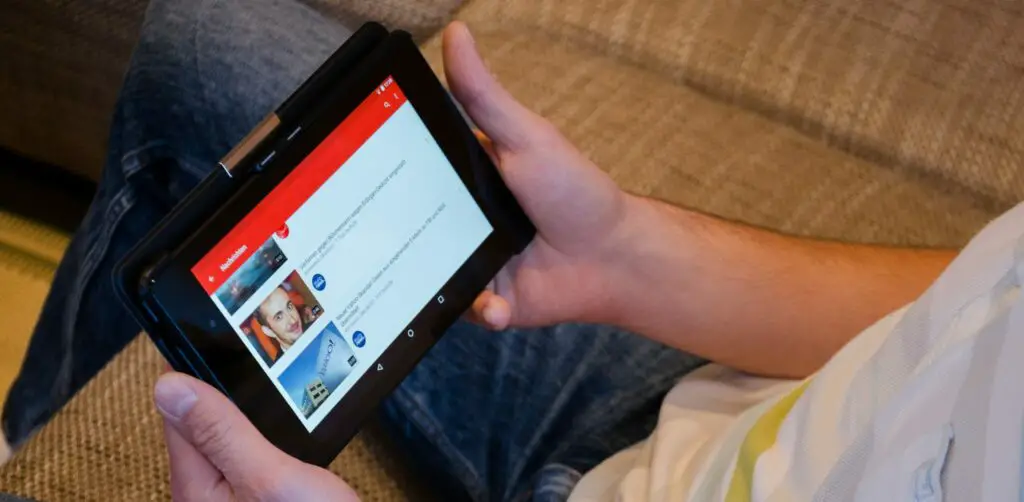
Many schools block access to YouTube for various reasons, including concerns about inappropriate content, distracting students from their studies, or limited bandwidth for internet connectivity. YouTube is a vast platform that hosts a wide range of content, from educational videos to entertainment content. While some of the content on YouTube can be useful for educational purposes, other content may not be appropriate for young students.
Blocking YouTube access can help schools control the type of content that students can access while using the school’s internet connection. By blocking YouTube, schools can prevent students from accessing potentially inappropriate content, such as videos with violent or sexual themes. This can help schools maintain a safe and appropriate learning environment for their students.
Furthermore, many schools have limited bandwidth for internet connectivity, and allowing students to stream videos from YouTube can consume a significant amount of bandwidth, causing slow internet speeds or disruptions for other users. By blocking YouTube, schools can optimize their internet bandwidth and ensure that all users can access necessary resources without delays or disruptions.
However, there are also some potential drawbacks to blocking YouTube access in schools. YouTube hosts a vast amount of educational content, and blocking access to it can limit the range of learning resources available to students. YouTube can provide students with access to a wealth of information, including instructional videos, lectures, and educational channels, which can supplement classroom instruction and help students better understand difficult concepts.
Moreover, YouTube can also provide students with access to a wide range of perspectives and opinions, allowing them to broaden their understanding of different topics and develop critical thinking skills. By blocking YouTube, schools may inadvertently limit students’ exposure to diverse viewpoints and ideas, which can be detrimental to their intellectual growth and development.
In conclusion, whether schools should block YouTube access or not ultimately depends on their specific needs and concerns. While blocking YouTube can help schools maintain a safe and focused learning environment, it can also limit students’ access to valuable educational resources and diverse perspectives. As such, schools should carefully consider the benefits and drawbacks of blocking YouTube and weigh them against their specific needs and objectives before making a decision.