The longevity of a fart in a jar is a topic that has piqued curiosity and sparked debate among many individuals. While it may seem like a humorous or trivial question, the science behind the duration of a fart’s odor in a jar is actually quite intriguing. In this article, we will explore various factors that may affect the lifespan of a fart in a jar, including the composition of a fart, the properties of a jar, and environmental conditions.
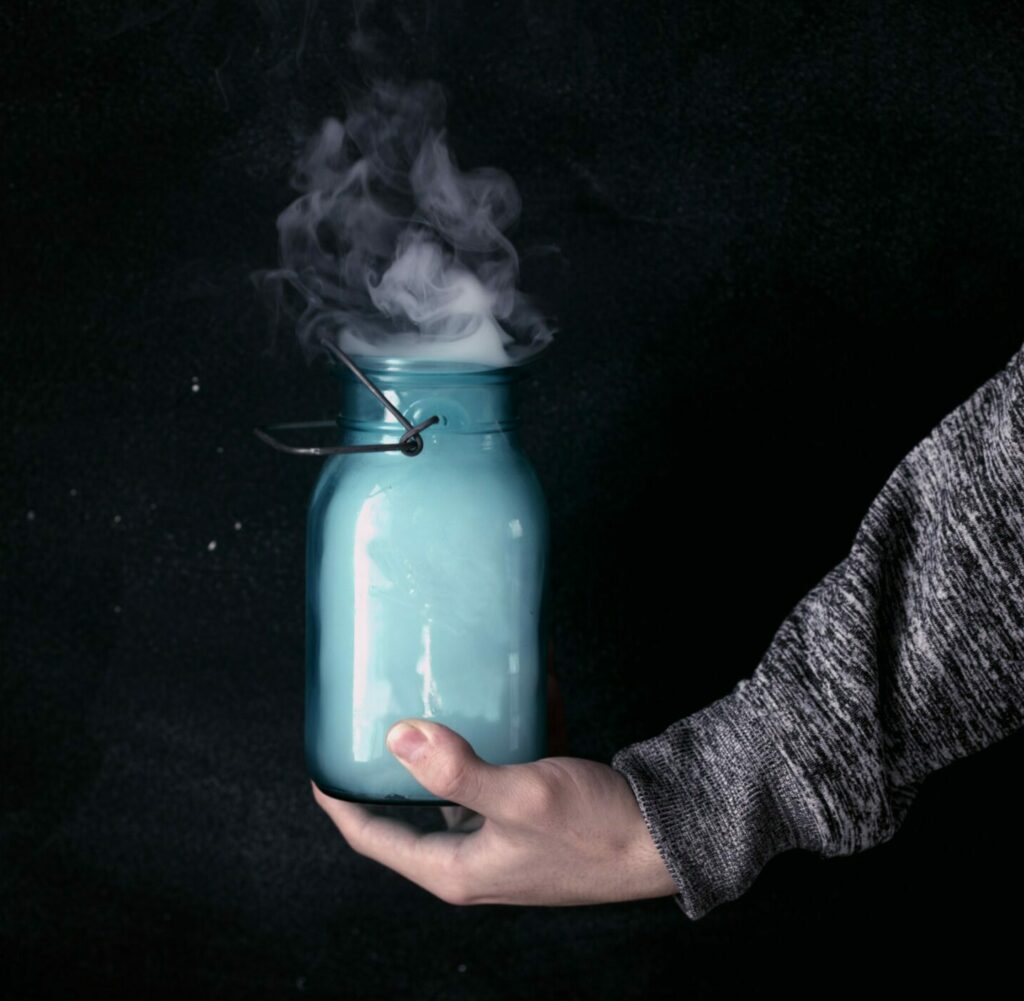
To understand how long a fart will last in a jar, it’s essential to first understand what a fart is and what causes its distinctive odor. A fart is primarily composed of gases, including nitrogen, oxygen, carbon dioxide, and small amounts of other gases such as methane, hydrogen, and trace amounts of volatile sulfur compounds (VSCs) like hydrogen sulfide and methyl mercaptan. It’s these VSCs that are responsible for the unpleasant odor associated with flatulence.
When a fart is released into the air, the VSCs quickly disperse and dissipate, resulting in the odor fading relatively quickly. However, when a fart is trapped in a closed container, such as a jar, the VSCs are confined, which can potentially prolong the duration of the fart’s odor.
The properties of the jar can also impact the longevity of a fart. The type of material the jar is made of, the seal of the jar, and the size of the jar can all affect how long the fart odor lingers. For example, a glass jar with a tight seal is likely to retain the fart odor for a longer time compared to a plastic jar with a loose seal. Similarly, a larger jar may retain the fart odor for a longer duration compared to a smaller jar, as there is more space for the gases to disperse in a larger container.
Another crucial factor that can influence the duration of a fart in a jar is the environmental conditions in which the jar is stored. Temperature, humidity, and airflow can all impact the lifespan of a fart odor. Higher temperatures and humidity levels can accelerate the breakdown of VSCs, leading to a shorter lifespan of the fart odor. On the other hand, cooler temperatures and lower humidity levels can potentially slow down the breakdown of VSCs, resulting in a longer duration of the fart odor in the jar. Additionally, proper airflow within the jar can help the gases disperse more quickly, potentially reducing the longevity of the fart odor.
It’s important to note that the exact duration of a fart odor in a jar is difficult to determine with certainty, as it can vary depending on multiple factors. However, based on scientific knowledge and anecdotal evidence, it is likely that the fart odor in a jar may persist for a few hours to a few days, or even longer in some cases, depending on the specific circumstances.
In some cases, the fart odor may dissipate relatively quickly, especially if the jar is not tightly sealed, or if the jar is made of a material that is more porous and allows for more gas exchange with the external environment. In such cases, the fart odor may last for only a few hours, similar to the duration of a fart released in an open space.
On the other hand, if the jar has a tight seal and is made of a material that is less porous, such as glass, the fart odor may last longer, potentially up to a few days or even longer. This is because the VSCs are trapped in the jar, unable to escape, and continue to break down slowly over time, resulting in the lingering odor.
It’s worth noting that the intensity of the fart odor may also decrease over time, as the VSCs continue to break down and lose their potency. This may result in the fart odor becoming less noticeable or fading altogether.