Calcium chloride (CaCl2) is an ionic compound that is formed by the electrostatic attraction between a calcium ion (Ca2+) and two chloride ions (Cl-). When the calcium atom loses two electrons, it becomes a positively charged ion (Ca2+), and when the two chlorine atoms gain one electron each, they become negatively charged ions (Cl-). The resulting compound is held together by ionic bonds, which are the result of the attraction between opposite charges.
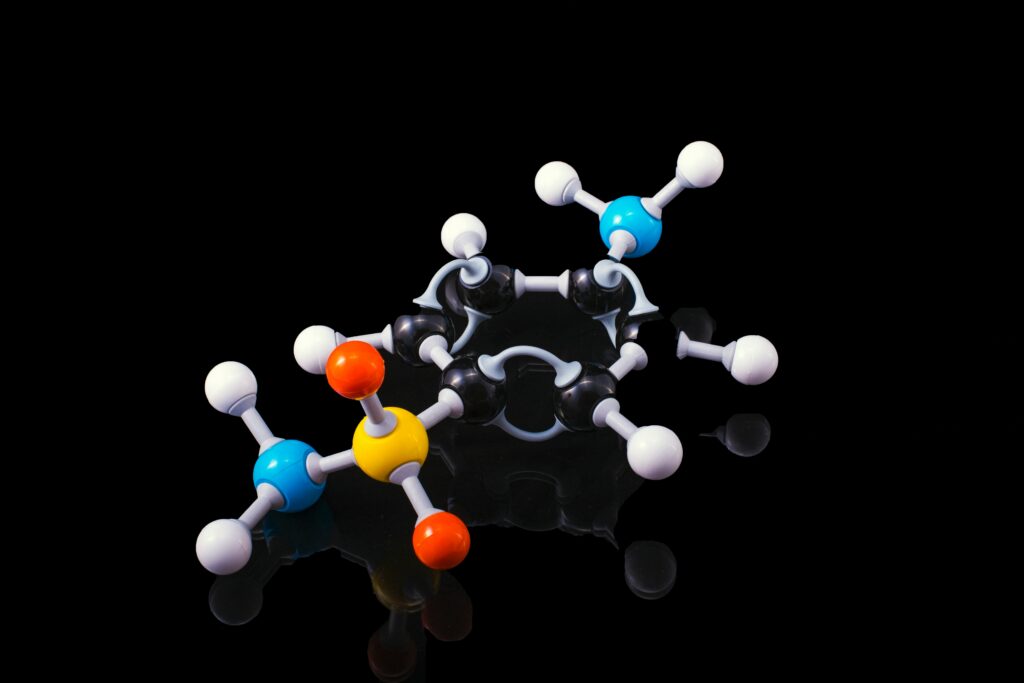
Ionic compounds like CaCl2 are considered polar because the electrons in the compound are not shared equally between the atoms. In an ionic bond, one atom donates electrons to another atom, resulting in a transfer of electrons and the formation of ions with opposite charges. The resulting compound has a positive and negative end, making it polar.
In contrast, a covalent bond occurs when atoms share electrons to achieve a stable configuration. Covalent bonds can be either polar or nonpolar, depending on the electronegativity difference between the atoms sharing the electrons. Electronegativity is a measure of an atom’s ability to attract electrons towards itself.
In a polar covalent bond, the electrons are shared unequally between the atoms, resulting in partial charges on the atoms. This occurs when there is a significant difference in electronegativity between the atoms in the bond. The more electronegative atom attracts the shared electrons more strongly, resulting in a partial negative charge on that atom and a partial positive charge on the other atom.
In a nonpolar covalent bond, the electrons are shared equally between the atoms, resulting in no partial charges on the atoms. This occurs when the atoms in the bond have similar electronegativities, so there is no significant difference in electron sharing.
In the case of CaCl2, the bond between calcium and chlorine is considered ionic, rather than covalent. Therefore, CaCl2 is a polar compound because of the electrostatic attraction between the positively charged calcium ion and the negatively charged chloride ions. However, it does not have a polar covalent bond because it does not involve sharing of electrons between atoms.
In summary, CaCl2 is an ionic compound that is polar due to the unequal sharing of electrons between the calcium and chloride ions. It is not a polar covalent compound because it does not involve the sharing of electrons between atoms.