Nutella, a popular hazelnut spread, has been a staple in many households around the world. Loved for its creamy, chocolaty flavor, Nutella is often used as a spread on bread, crackers, or fruit, and as an ingredient in various desserts. However, the question of whether Nutella can be classified as junk food is a topic of debate among nutritionists and health experts. In this article, we will examine the nutritional content of Nutella and explore different perspectives to determine if it can be considered a junk food.
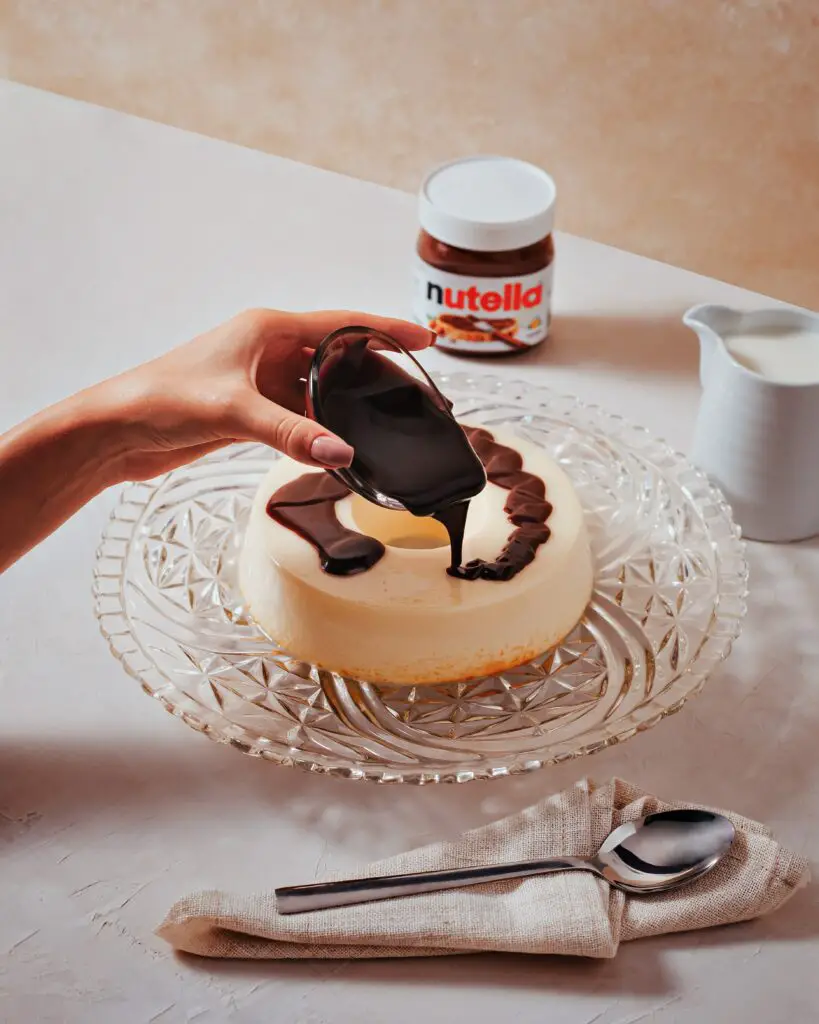
First, let’s take a look at the ingredients of Nutella. The main ingredients listed on the Nutella jar are sugar, palm oil, hazelnuts, cocoa powder, skim milk powder, whey protein, and lecithin. Sugar and palm oil are the top two ingredients, with sugar being the highest in quantity. Palm oil is a controversial ingredient due to its potential negative environmental impact, such as deforestation and habitat destruction for endangered species. Additionally, Nutella contains cocoa powder, which is a natural source of antioxidants, and hazelnuts, which are rich in healthy fats and protein.
One of the main concerns about Nutella is its high sugar content. Sugar is a type of carbohydrate that provides empty calories with little nutritional value. Consuming excessive amounts of sugar can lead to various health issues, such as weight gain, tooth decay, and an increased risk of chronic diseases like diabetes and heart disease. Nutella contains approximately 21 grams of sugar per serving (two tablespoons), which is equivalent to about 5 teaspoons of sugar. This is a significant amount of added sugar, considering the American Heart Association recommends limiting added sugar intake to no more than 6 teaspoons for women and 9 teaspoons for men per day.
Another controversial ingredient in Nutella is palm oil. Palm oil is high in saturated fats, which are known to raise LDL (low-density lipoprotein) cholesterol levels in the blood, also known as “bad” cholesterol. High consumption of saturated fats has been linked to an increased risk of heart disease. Furthermore, palm oil production has been associated with deforestation, habitat destruction, and displacement of indigenous communities, leading to concerns about its sustainability and environmental impact.
On the positive side, Nutella does contain hazelnuts, which are a good source of healthy fats, including monounsaturated fats and polyunsaturated fats, which are known to be beneficial for heart health. Hazelnuts are also a good source of dietary fiber, vitamin E, and minerals such as magnesium and copper. However, the nutritional benefits of hazelnuts in Nutella may be overshadowed by the high sugar and fat content of the product.
From a calorie perspective, Nutella is energy-dense, meaning it provides a high number of calories in a small serving size. Two tablespoons of Nutella contain approximately 200 calories, which can add up quickly if consumed in excess. This high calorie content, combined with the high sugar and fat content, can contribute to weight gain and an increased risk of obesity if consumed in large amounts regularly.
Some argue that Nutella can be considered a junk food due to its high sugar, fat, and calorie content, and the fact that it provides little nutritional value beyond empty calories. Empty calories refer to calories that come from foods that are high in sugar, unhealthy fats, and low in essential nutrients such as vitamins, minerals, and fiber. Regular consumption of foods high in empty calories can lead to nutrient deficiencies and poor overall health.
On the other hand, some argue that Nutella can be part of a balanced diet when consumed in moderation as an occasional treat. They argue that Nutella can be enjoyed as part of a varied diet that includes other nutrient-dense foods, such as fruits, vegetables, whole grains, lean proteins,