A Turkish person is someone who is from or has ancestral roots in Turkey, which is a country located in both Europe and Asia. Turkey has a diverse population with a rich cultural heritage, influenced by various ethnic groups and historical events. As such, the ethnicity of a Turkish person can vary depending on several factors. In this answer, we will explore the various ethnic groups that make up the population of Turkey and discuss the different ways in which a person’s ethnicity might be defined.
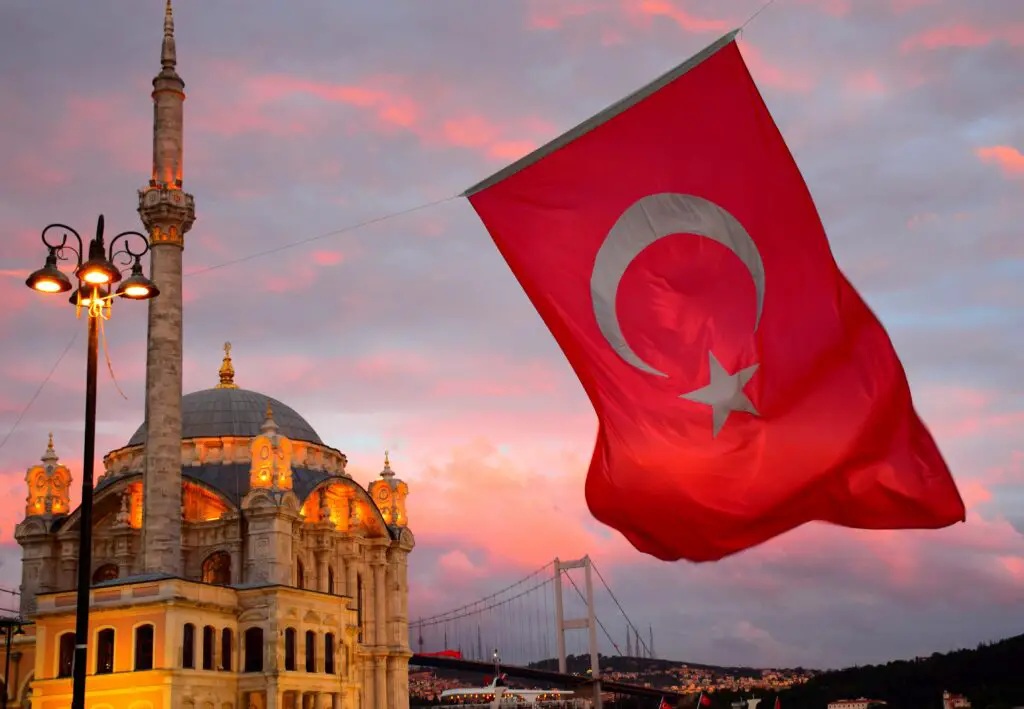
Turkish Ethnicity:
The majority of people living in Turkey are ethnically Turkish. This group is descended from the ancient Turks who originated from Central Asia and migrated to Anatolia (modern-day Turkey) in the 11th century. Today, ethnic Turks make up about 70-75% of the population of Turkey. They share a common language (Turkish) and religion (Islam) and are known for their hospitality, warmth, and love of good food.
Kurdish Ethnicity:
Another significant ethnic group in Turkey is the Kurds. Kurds are an ethnic group with their own distinct language and cultural traditions. They are believed to be the largest ethnic group in the world without their own nation-state, and there are approximately 14 million Kurds living in Turkey. However, the exact number is difficult to determine due to the absence of reliable statistics, as the Turkish government has historically denied Kurdish identity and assimilated Kurds into Turkish culture.
Armenian Ethnicity:
Armenians are an ancient people with a long history in the region now known as Turkey. Prior to the Armenian Genocide in 1915, which resulted in the deaths of an estimated 1.5 million Armenians, Armenians were a significant minority in Turkey. Today, there are still Armenian communities in Turkey, particularly in Istanbul, but the numbers are much smaller than they were prior to the genocide.
Greek Ethnicity:
Greeks have also been a significant presence in Turkey for thousands of years. Prior to the exchange of populations between Greece and Turkey in 1923, there were approximately 1.5 million Greeks living in Turkey. Today, there are still Greek communities in Turkey, particularly in Istanbul, but the numbers are much smaller than they were in the past.
Other Ethnic Groups:
There are also several other ethnic groups that make up the population of Turkey, including Laz, Zaza, Georgian, Arab, Circassian, and Bosniak communities, among others. These groups have their own distinct languages and cultural traditions, and they contribute to the rich diversity of Turkey’s population.
Defining Ethnicity:
While the examples above describe some of the major ethnic groups in Turkey, it’s important to note that ethnicity can be a complex and multifaceted concept. Ethnicity can refer to a shared cultural or linguistic heritage, a sense of belonging to a particular group, or a combination of both. In Turkey, many people identify with more than one ethnic group or have mixed heritage. For example, it’s not uncommon for people to have a Turkish mother and a Kurdish father, or vice versa. Similarly, people may identify with multiple cultural or linguistic traditions based on their family history, geographic location, or personal preferences.
Conclusion:
In conclusion, the ethnicity of a Turkish person can vary depending on a variety of factors, including their family history, geographic location, and personal identification. While the majority of people living in Turkey are ethnically Turkish, there are also significant Kurdish, Armenian, Greek, and other minority populations that contribute to the rich cultural heritage of the country. Ultimately, the concept of ethnicity is a complex and nuanced one that defies easy categorization, and it’s important to recognize and celebrate the diversity of all people, including those of Turkish heritage.