A blind finger sweep, also known as a blind finger sweep maneuver or simply finger sweep, is a first aid technique used to clear an obstructed airway in a person who is choking and unable to breathe. It involves using a finger to manually sweep the back of the throat in an attempt to dislodge the foreign object that is blocking the airway. The purpose of a blind finger sweep is to quickly and effectively remove the obstruction to restore breathing and prevent a life-threatening situation.
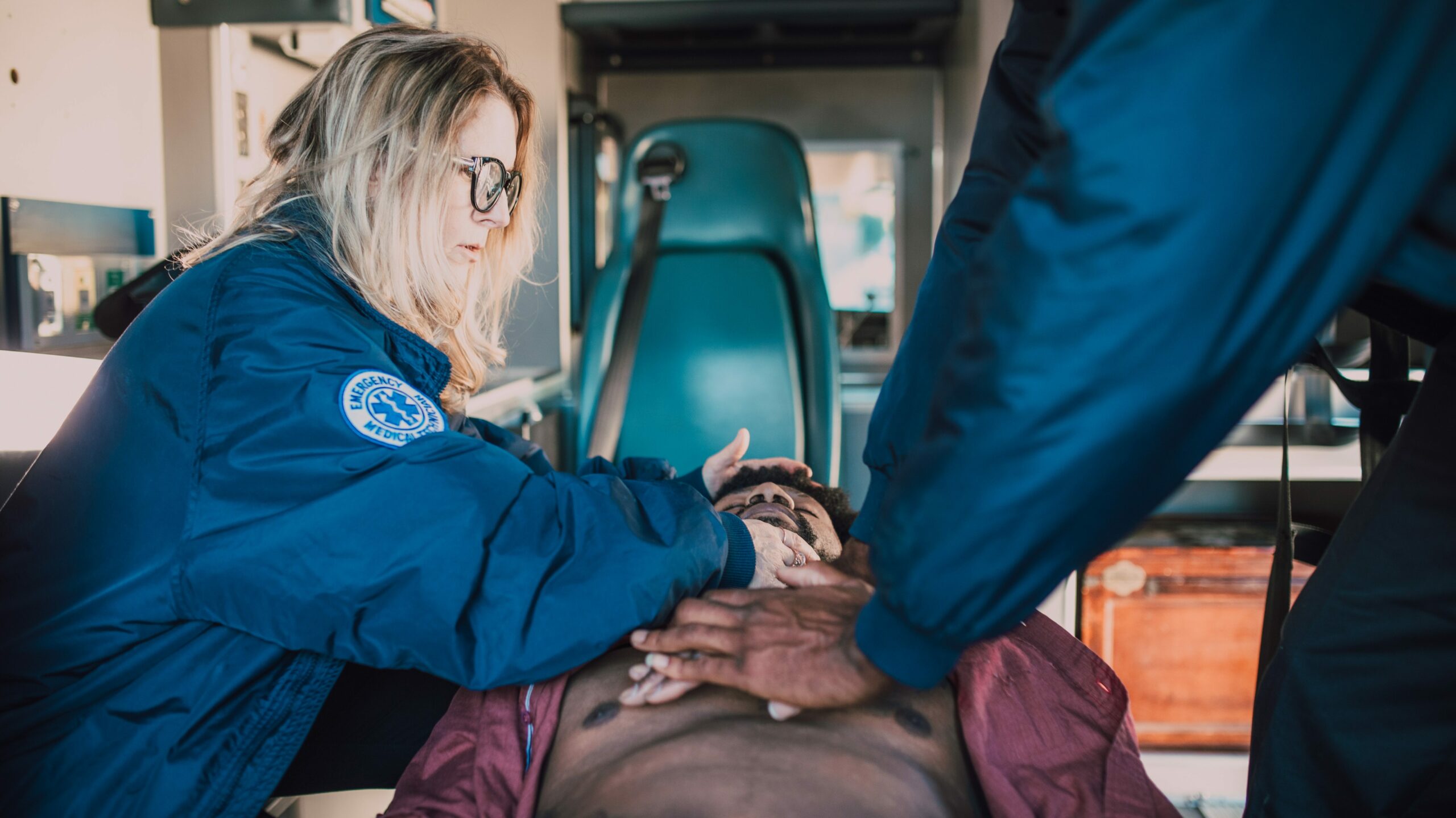
Before diving into the details of a blind finger sweep, it’s important to note that performing first aid techniques, including a blind finger sweep, should only be done by properly trained individuals who are certified in first aid and CPR. It’s crucial to follow the appropriate guidelines and protocols for performing first aid, and always call emergency services for professional medical help in case of choking or any other medical emergency.
The concept of a blind finger sweep is based on the idea of manually clearing the airway by using a finger to sweep the back of the throat, where the obstruction is most likely to be lodged. However, it’s essential to exercise extreme caution when attempting a blind finger sweep, as it carries potential risks and may not always be effective, depending on the nature and location of the obstruction.
To perform a blind finger sweep, the rescuer typically follows these steps:
- Position the person: The person who is choking should be standing, sitting, or lying down, depending on their condition and ability to maintain a certain position. The rescuer should approach from behind the person and ensure that the person’s head is tilted slightly back to open the airway.
- Assess the situation: The rescuer should quickly assess the situation and determine if the person is indeed choking and unable to breathe. If the person can cough, speak, or breathe, then the obstruction is likely partial, and the person may still be able to clear it on their own. If the person cannot cough, speak, or breathe, and the obstruction is complete, a blind finger sweep may be considered.
- Wash hands and use gloves: It’s important to maintain proper hygiene and use disposable gloves or wash hands thoroughly before attempting a blind finger sweep to avoid introducing further contamination into the person’s airway.
- Use a sweeping motion: The rescuer should insert a finger, typically the index or middle finger, into the person’s mouth and reach towards the back of the throat. Using a sweeping motion, the finger should be swept along the side of the mouth, across the back of the throat, and towards the center, in an attempt to dislodge the obstruction and move it forward, out of the person’s mouth.
- Do not blindly force or push: It’s crucial to exercise extreme caution and avoid blindly forcing or pushing the obstruction further down the throat, as it can worsen the situation and cause more harm. The sweeping motion should be gentle and aimed at dislodging the obstruction without causing injury to the person’s delicate throat tissues.
- Check for the dislodged object: After performing the finger sweep, the rescuer should check the person’s mouth for the dislodged object. If the object is visible and can be safely removed using fingers or other appropriate means, it should be done promptly.
- Continue CPR and seek professional medical help: If the object is not dislodged, the person is still unable to breathe, or the situation worsens, the rescuer should continue with CPR (Cardiopulmonary Resuscitation) and call emergency services for professional medical help.