Amish soaking, also known as “cultured milk soak,” is a traditional method of preparing grains, nuts, and seeds in Amish cooking. This process involves soaking the grains, nuts, or seeds in a mixture of cultured milk, water, or other acidic liquids for several hours or overnight before cooking or consuming them.
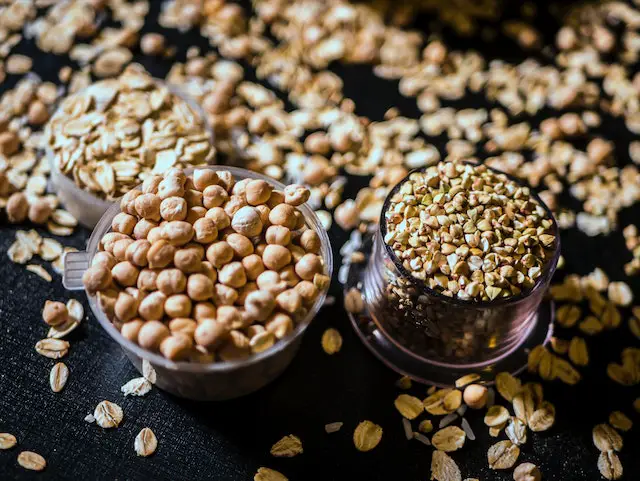
The practice of soaking grains and seeds before consumption has been a common practice in many cultures around the world for thousands of years. Soaking is believed to improve the nutritional value and digestibility of grains and seeds by reducing the levels of anti-nutrients, such as phytic acid and enzyme inhibitors, that can interfere with the absorption of minerals and other nutrients in the body.
In Amish cuisine, soaking is commonly used to prepare oats, wheat, cornmeal, and other grains for porridges, bread, and other baked goods. The process typically involves mixing the grains with an acidic liquid, such as cultured milk or yogurt, along with water, and allowing them to soak for several hours or overnight. The acid in the cultured milk helps to break down the phytic acid in the grains, making them more digestible and increasing the availability of nutrients.
The use of cultured milk in Amish soaking is significant because it contains beneficial bacteria and enzymes that can help to further break down the phytic acid and other anti-nutrients in the grains. Cultured milk, also known as kefir, yogurt, or buttermilk, is made by fermenting milk with live bacteria cultures, which can help to improve the overall health of the digestive system and boost the immune system.
Aside from improving the nutritional value of grains and seeds, Amish soaking is also believed to enhance the flavor and texture of baked goods. Soaking can help to soften the grains, making them easier to blend into a smooth batter or dough. It can also help to improve the rise and texture of bread, resulting in a lighter and fluffier finished product.
Although Amish soaking is a traditional practice, it has gained renewed interest in recent years as more people seek to improve their diets and optimize their health. Research has shown that soaking grains and seeds can help to reduce the risk of nutrient deficiencies, improve gut health, and reduce inflammation in the body.
To try Amish soaking at home, simply mix your choice of grains or seeds with cultured milk, yogurt, or other acidic liquid, along with water, and let them soak for several hours or overnight. The ratio of grains to liquid will depend on the specific recipe and desired consistency, but a common ratio is one part grains to two parts liquid. After soaking, drain off any excess liquid and use the grains or seeds as desired in your recipe.
In conclusion, Amish soaking is a traditional method of preparing grains, nuts, and seeds that involves soaking them in a mixture of cultured milk and water before cooking or consuming them. This process can help to improve the nutritional value and digestibility of these foods, while also enhancing their flavor and texture. If you’re interested in trying Amish soaking at home, it’s a simple and easy process that can offer a range of health benefits.