The longest movie ever made is “Ambiancé” by a Swedish director named Anders Weberg. The film runs for 720 hours, which is equivalent to a whole month. “Ambiancé” was released on December 31, 2020, and screened once before being destroyed, making it a one-of-a-kind and transient masterpiece.
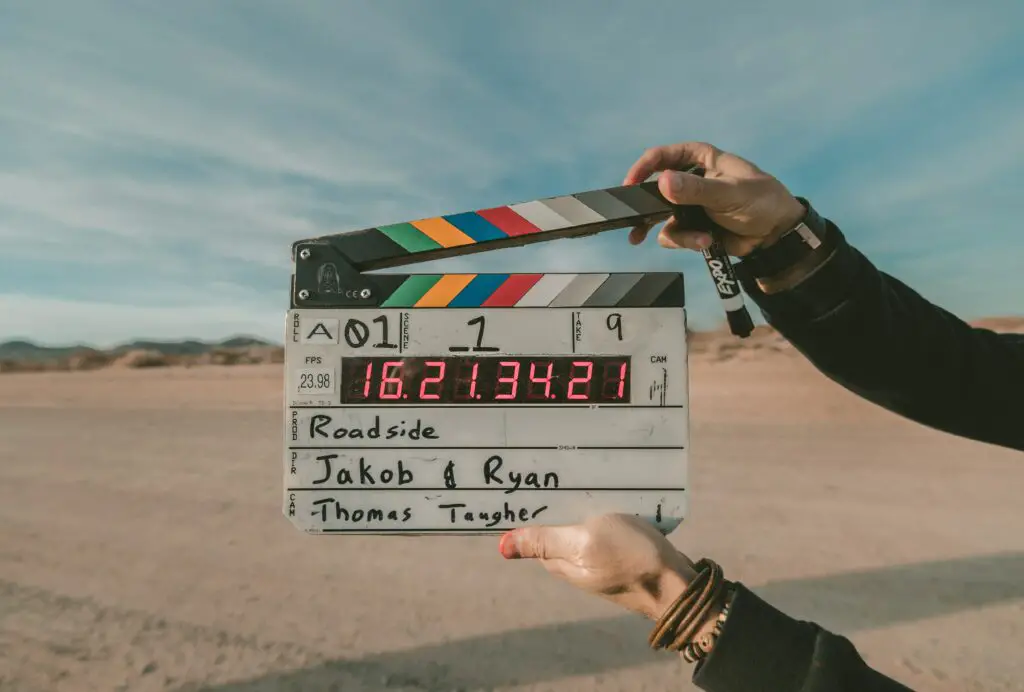
The experimental film explores the limits of cinema and defies conventional narrative structures. Weberg described the movie as a “poetic journey through time and space” and it features no dialogue, actors, or plot. Instead, it is a series of slow-motion images, abstract shapes, and colors, accompanied by an original score composed by Weberg himself.
Weberg began filming “Ambiancé” in 2014, after being inspired during the creation of a short film for an art exhibition in 2011. Filming continued for three years, during which he captured footage in various locations around the world. The director had to overcome numerous logistical and technical challenges associated with filming for such an extended period. He also had to create a system to store and organize the vast amount of footage he had accumulated. Financing the project was another hurdle for Weberg, who sold some of his previous works of art to fund the film.
In 2020, “Ambiancé” premiered on a single screen in a theater in Sweden to a select audience. The screening was open-ended, allowing viewers to come and go as they pleased. After the screening, Weberg destroyed the film, making it an unparalleled and unrepeatable experience.
The length of “Ambiancé” raises interesting questions about our relationship with time and the nature of cinema. Movies have historically been relatively brief, with most feature films lasting between 90 and 120 minutes. It’s challenging to envision a film that lasts for an entire month. However, Weberg’s work transcends the traditional framework, creating an exceptional work that challenges viewers and stimulates new perspectives.
Furthermore, “Ambiancé” emphasizes the importance of taking a break from the fast-paced nature of modern life. By engaging with the film’s unhurried visuals and musical score, viewers can reflect on their relationship with time and the ways they spend their days.
In conclusion, “Ambiancé” is a 720-hour experimental film directed by Anders Weberg, pushing the limits of cinema and narrative structure. Despite its length, “Ambiancé” is a unique and transitory work of art, urging viewers to contemplate their connection with time and how they spend their time.