Blue collar jobs refer to manual labor jobs that typically involve physical work and may require specialized skills or training. These jobs are often associated with working-class or skilled trades occupations. Here are five examples of blue collar jobs:
- Electrician: Electricians are responsible for installing, maintaining, and repairing electrical systems in residential, commercial, and industrial settings. They may work on wiring, circuits, lighting, and other electrical components, and may also troubleshoot and repair electrical issues. Electricians typically need to complete an apprenticeship or vocational training program, obtain licensure or certification, and have knowledge of electrical codes and safety regulations.
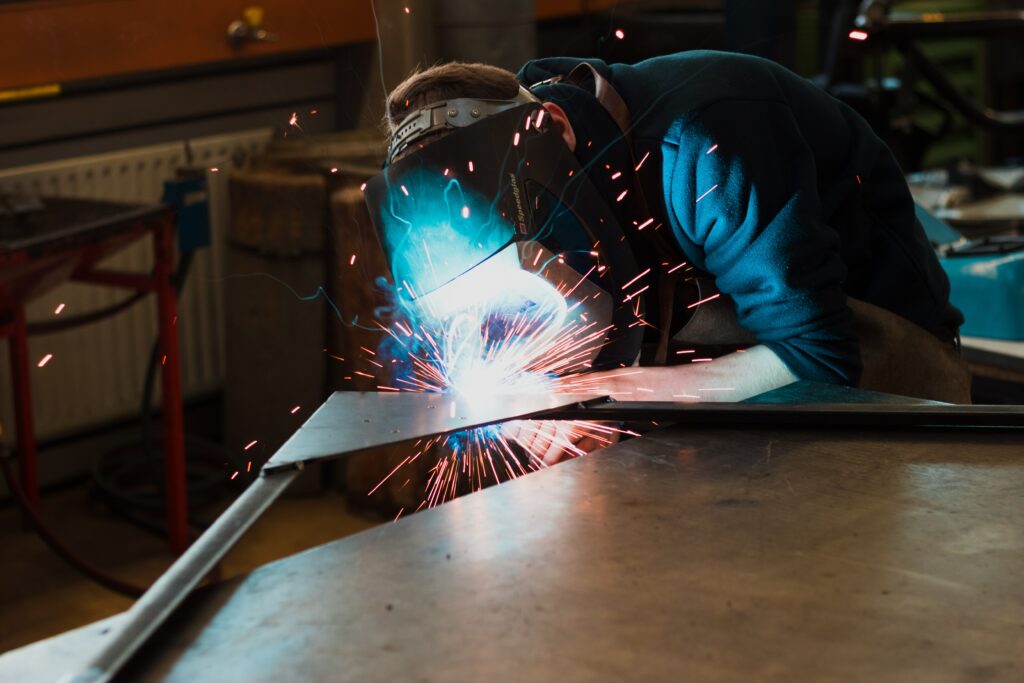
- Welder: Welders use heat and electricity to fuse metal pieces together to create structures or repair metal objects. They work with various types of welding equipment, such as arc welders, gas welders, and laser welders, and may work in industries such as manufacturing, construction, or automotive. Welders need to be skilled in different types of welding techniques, have knowledge of various metals and alloys, and follow safety protocols to prevent injury or damage.
- Plumber: Plumbers install, repair, and maintain plumbing systems in residential, commercial, and industrial settings. They work with pipes, fixtures, valves, and other plumbing components to ensure proper water supply, drainage, and sanitation. Plumbers may also diagnose and repair plumbing issues, such as leaks, clogs, or broken pipes. Plumbers typically need to complete an apprenticeship or vocational training program, obtain licensure or certification, and have knowledge of plumbing codes and regulations.
- HVAC Technician: HVAC (Heating, Ventilation, and Air Conditioning) technicians are responsible for installing, maintaining, and repairing heating, ventilation, and air conditioning systems in residential, commercial, and industrial buildings. They work with various HVAC equipment, such as furnaces, boilers, air conditioners, and refrigeration units, and may also perform troubleshooting and repairs. HVAC technicians need to have knowledge of HVAC systems, electrical circuits, and refrigeration principles, as well as follow safety protocols and environmental regulations.
- Carpenter: Carpenters work with wood and other materials to construct, repair, or remodel buildings, furniture, and other structures. They may perform tasks such as framing, finishing, and installing cabinets, doors, windows, and flooring. Carpenters may work in construction, woodworking, or furniture industries, and may use hand and power tools to measure, cut, and shape materials. Carpenters typically need to have skills in woodworking, blueprint reading, and math, as well as follow safety guidelines and building codes.
These are just a few examples of blue collar jobs, and there are many other occupations that fall under this category, including mechanics, machinists, bricklayers, painters, and more. Blue collar jobs can provide opportunities for individuals with different skill sets and interests to work in hands-on roles that are essential to various industries and sectors of the economy. These jobs often require practical skills, training, and experience, and can provide stable employment and career growth prospects for those who pursue them.