The 80/20 carnivore diet is a dietary approach that emphasizes consuming animal-based foods while allowing for a small percentage of plant-based foods. This method aims to provide the benefits of a carnivore diet, such as improved health and weight loss, while still incorporating some variety.
This guide will help you understand the principles of the 80/20 carnivore diet, including what foods to focus on and how to balance your meals effectively.
Understanding the 80/20 Carnivore Diet
The 80/20 carnivore diet emphasizes a significant focus on animal-based foods while allowing for a small portion of plant-based options. This approach aims to combine the benefits of a primarily carnivorous diet with the inclusion of some variety, promoting overall health and wellness.
Typically, this diet consists of 80% animal products, which can include a range of meats, fish, eggs, and dairy. The remaining 20% can incorporate low-carb vegetables or fruits, providing essential nutrients from both sources. This balance is key to maintaining a healthy lifestyle while enjoying a diverse array of flavors.
Key Components of the Diet
When following the 80/20 carnivore diet, it’s important to focus on high-quality animal proteins. Options like beef, pork, chicken, and lamb are excellent choices, providing rich flavors and satisfying textures.
Incorporating fish and seafood can also enhance the variety of nutrients in your meals. Eggs and dairy products, such as cheese and butter, contribute additional protein and healthy fats, making them valuable components of this dietary approach.
Incorporating Plant Foods
While the primary focus is on animal products, including low-carb vegetables like spinach, kale, and broccoli can add essential vitamins and minerals. These vegetables can complement the meat dishes beautifully, adding color and texture to your plate.
Fruits, particularly berries such as strawberries and blueberries, can be enjoyed in moderation. Their natural sweetness can provide a delightful contrast to savory dishes and contribute to the overall nutritional balance.
Meal Planning and Preparation
Planning your meals is crucial for success on the 80/20 carnivore diet. Aim to incorporate a variety of animal proteins into your meals, ensuring that 80% of your intake comes from these sources. This can be achieved by rotating different meats and cooking methods to keep your meals interesting.
When adding plant foods, be mindful of portion sizes to maintain the 20% limit. Keeping track of your meals can help you stay on course and make adjustments as needed based on your preferences and health goals.
Staying Hydrated and Monitoring Progress
Hydration is vital when following any diet. Drinking plenty of water throughout the day supports overall health and helps maintain energy levels. It’s essential to listen to your body and adjust your food choices based on how you feel.
Monitoring your progress is also important. Keep an eye on any changes in your health or weight as you follow this dietary approach. This awareness can help you make informed decisions and fine-tune your diet for optimal results.
Creating a Balanced Plate
A well-balanced plate is a hallmark of the 80/20 carnivore diet. Picture a vibrant plate featuring grilled steak and roasted chicken, accompanied by sautéed spinach. This colorful presentation not only looks appealing but also reflects the balance of nutrients.
Pairing your meal with a glass of water and a small bowl of berries enhances the overall experience. This combination showcases the harmony between animal and plant foods, making your dining experience both satisfying and nutritious.
Understanding the 80/20 Carnivore Diet
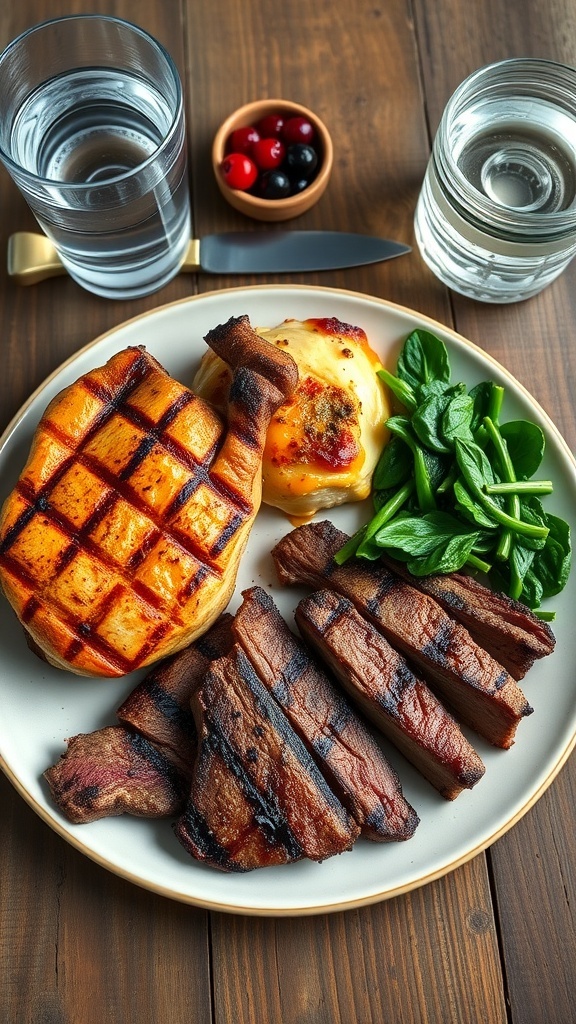
The 80/20 carnivore diet typically consists of 80% animal products, including meat, fish, eggs, and dairy, while 20% can include low-carb vegetables or fruits. This balance allows for essential nutrients from both animal and plant sources, promoting overall health and well-being.
Ingredients
- Beef, pork, chicken, or lamb
- Fish and seafood
- Eggs
- Dairy products (cheese, butter, cream)
- Low-carb vegetables (spinach, kale, broccoli)
- Berries (strawberries, blueberries) in moderation
Instructions
- Plan Your Meals: Focus on incorporating a variety of animal proteins into your meals, ensuring that 80% of your intake comes from these sources.
- Include Plant Foods: Add low-carb vegetables and small portions of berries to your diet, making sure they do not exceed 20% of your total food intake.
- Monitor Your Progress: Keep track of how you feel and any changes in your health or weight as you follow this dietary approach.
- Stay Hydrated: Drink plenty of water throughout the day to stay hydrated and support overall health.
- Adjust as Needed: Listen to your body and adjust your food choices based on your personal preferences and nutritional needs.
Cook and Prep Times
- Prep Time: Varies based on meal preparation
- Cook Time: Varies based on cooking methods
- Total Time: Ongoing dietary approach
- Servings: Varies based on individual needs
- Calories: Varies based on food choices
- Fat: Varies based on protein sources
- Protein: High protein content from animal sources
- Carbohydrates: Low carbohydrate intake
Related
- Carnivore Diet Overview
- Carnivore Diet Guide for Beginners
- Carnivore Diet Meal Plan
- Savory Carnivore Diet Recipes