Anonymous video calling refers to the ability to make and receive video calls without revealing one’s true identity. There are several reasons why someone might choose to make an anonymous video call, such as maintaining privacy, protecting their personal information, or avoiding harassment. In this article, we will explore the advantages and disadvantages of anonymous video calling and how it works.
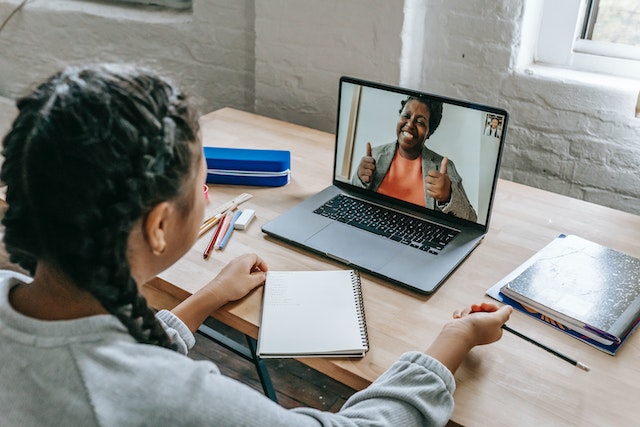
Advantages of anonymous video calling:
- Privacy: The primary advantage of anonymous video calling is that it allows users to maintain their privacy. By not revealing their true identity, users can prevent others from tracking them or accessing their personal information.
- Protection: Anonymous video calling can be particularly useful for individuals who are concerned about their safety. It can allow them to communicate with others without revealing their location or identity, protecting them from potential harm.
- Flexibility: Anonymous video calling can also be useful for individuals who need to communicate with others in a professional setting but do not want to reveal their identity. For example, journalists may use anonymous video calling to conduct interviews with sources without revealing their identity.
Disadvantages of anonymous video calling:
- Trust issues: One of the main disadvantages of anonymous video calling is that it can be difficult to establish trust between users who do not know each other’s true identities. This can make it challenging to build relationships or conduct business transactions.
- Misuse: Anonymous video calling can also be misused by individuals with malicious intent, such as cyberbullies or scammers. Without knowing the true identity of the caller, it can be difficult to hold them accountable for any inappropriate behavior.
- Technical limitations: Anonymous video calling may also be limited by technical issues, such as poor audio or video quality. This can make it difficult to have a productive conversation, particularly in a professional setting.
How anonymous video calling works: There are several ways to make anonymous video calls, depending on the platform or app being used. Some platforms allow users to make anonymous calls by creating a temporary username or using a pseudonym. Other platforms use encryption and anonymization technology to protect the user’s identity.
One example of anonymous video calling is the app Signal. Signal uses end-to-end encryption to protect the user’s identity, and the app does not store any metadata or logs about the call. This ensures that the user’s identity is protected, and the conversation remains private.
Another example is the app Jitsi Meet. Jitsi Meet allows users to make anonymous video calls without needing to create an account or share personal information. The app also offers end-to-end encryption, ensuring that the conversation is secure.
In conclusion, anonymous video calling can offer several advantages, including privacy, protection, and flexibility. However, it is important to be aware of the potential drawbacks, such as trust issues and technical limitations. Users should also choose a secure and trustworthy platform or app to ensure that their identity is protected during the call.