I can provide you with an informative response about apples and their potential impact on constipation. However, it’s important to note that individual reactions to food can vary. Consulting with a healthcare professional or a registered dietitian is always recommended for personalized dietary advice.
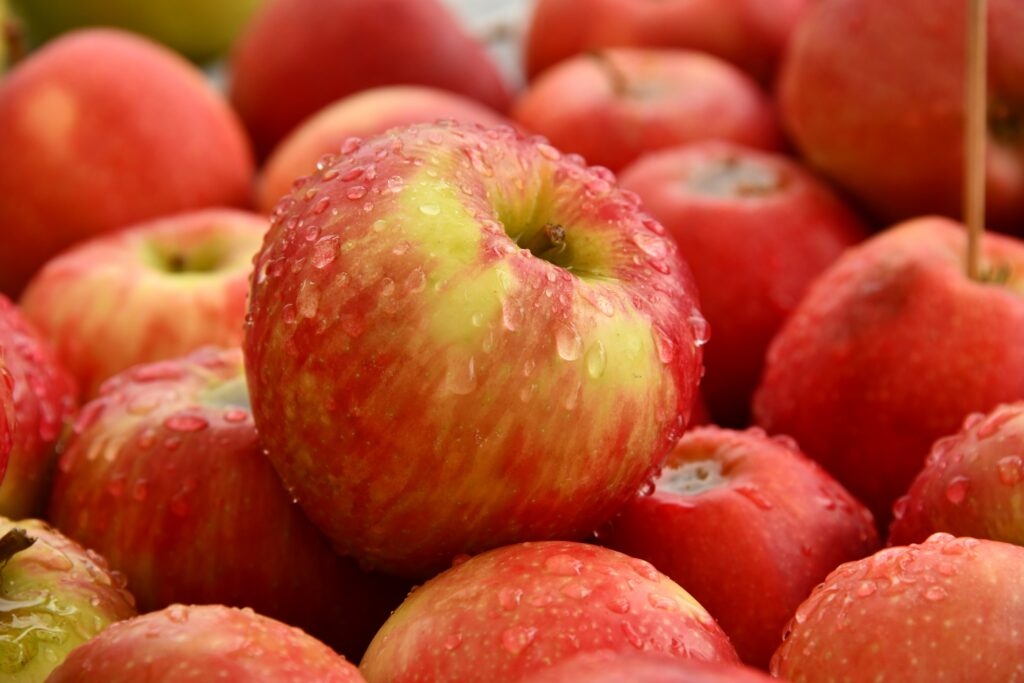
Apples are a commonly consumed fruit that are known for their delicious taste, high fiber content, and various health benefits. Fiber is a type of carbohydrate that is not digested by the body. It passes through the digestive system mostly intact. It adds bulk to the stool, helps regulate bowel movements, and can contribute to maintaining good digestive health.
The fiber content in apples, particularly in the skin and pulp. It can help promote regular bowel movements and prevent constipation in many people. The type of fiber found in apples is known as insoluble fiber. Which does not dissolve in water and adds bulk to the stool, promoting movement through the intestines. This can help prevent constipation, which is characterized by infrequent bowel movements and difficulty passing stools.
However, it’s important to note that excessive consumption of apples. Any food high in fiber can potentially lead to digestive discomfort, including gas, bloating, and abdominal cramps. This is particularly true for individuals who may not be accustomed to a high-fiber diet or those with sensitive digestive systems. It’s essential to listen to your body and consume apples or any high-fiber food in moderation to avoid discomfort.
Moreover, the impact of apples on constipation may also depend on the form in which they are consumed. Eating apples with their skin on provides more fiber compared to consuming them peeled or in the form of juice. Juicing removes the pulp and skin. Which are rich in fiber, and leaves behind the juice, which contains very little fiber. This can result in a reduced fiber intake and potentially contribute to constipation. If apple juice is consumed excessively without enough fiber from other sources in the diet.
It’s also worth mentioning that factors other than fiber intake can contribute to constipation. Dehydration, lack of physical activity, certain medications, medical conditions, and a low-fiber diet overall can also play a role in the development of constipation. Therefore, it’s important to consider your overall diet and lifestyle habits. When addressing constipation, and not solely rely on apples or any single food item as a remedy.
In addition to fiber, apples also contain other beneficial nutrients that can support digestive health. For example, apples are a good source of water, which can help hydrate the body and soften stools, making them easier to pass. Apples also contain a natural sugar called sorbitol, which has a mild laxative effect and can help alleviate constipation in some people. However, sorbitol can also cause digestive discomfort, such as gas and bloating, when consumed in excess.
In summary, apples can be a beneficial addition to a healthy diet and may help promote regular bowel movements and prevent constipation due to their high fiber content. However, it’s important to consume them in moderation and be mindful of your overall fiber intake from various sources in your diet to avoid potential digestive discomfort. It’s also important to consider other factors that can contribute to constipation and maintain a well-rounded approach to digestive health, including staying hydrated, engaging in regular physical activity, and consulting with a healthcare professional or registered dietitian for personalized dietary recommendations.