Diverticulitis is a digestive condition in which small pouches called diverticula form in the lining of the colon and become inflamed or infected. A high-fiber diet is often recommended for managing diverticulitis because it helps prevent constipation and promotes regular bowel movements, which can reduce pressure on the colon wall and prevent diverticula from forming.
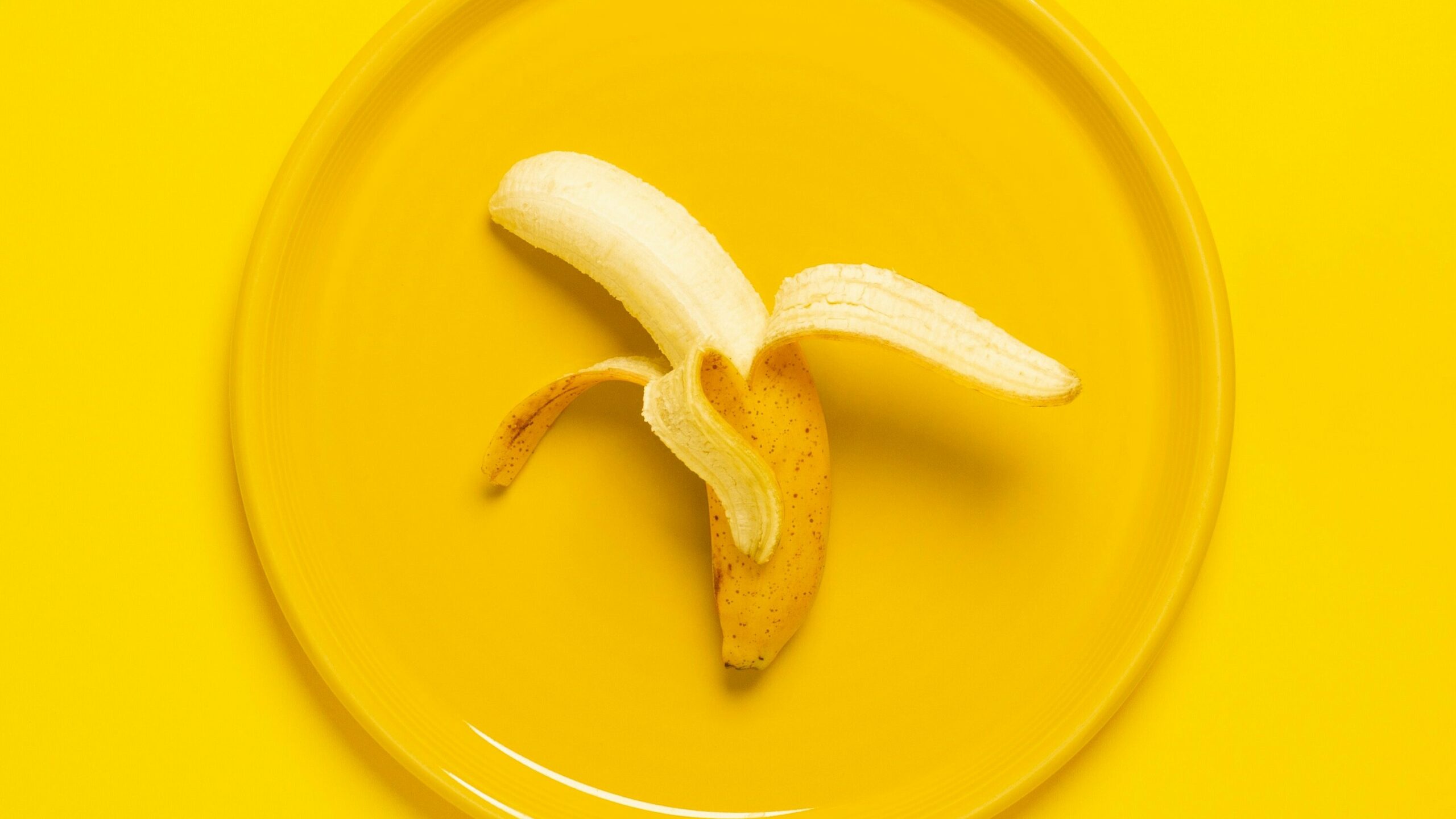
Bananas are a good source of dietary fiber, and they can be a healthy addition to a diverticulitis diet. However, it’s important to keep in mind a few considerations:
- Ripe bananas are easier to digest: Unripe bananas can be difficult to digest and may cause gas, bloating, and abdominal discomfort, which can exacerbate symptoms of diverticulitis. Therefore, it’s recommended to choose ripe bananas that are yellow with brown spots, which are easier to digest.
- Moderation is key: While bananas are a good source of fiber, they are also high in sugar and carbohydrates, which can cause spikes in blood sugar levels. Therefore, it’s important to eat bananas in moderation as part of a well-balanced diet. The recommended daily intake of fiber for adults with diverticulitis is 25-35 grams per day, and one medium-sized banana contains about 3 grams of fiber.
- Consider other sources of fiber: While bananas are a healthy source of fiber, they should not be the only source of fiber in your diet. It’s important to incorporate a variety of high-fiber foods, such as whole grains, fruits, vegetables, and legumes, into your diet to ensure that you are getting enough fiber and nutrients.
In addition to bananas, some other fruits that are good choices for a diverticulitis diet include:
- Apples: Apples are a good source of soluble fiber, which helps regulate bowel movements and reduce inflammation in the colon. They can be eaten raw or cooked and are a versatile addition to many dishes.
- Berries: Berries, such as raspberries, blueberries, and strawberries, are high in fiber and antioxidants, which can help reduce inflammation and improve digestive health.
- Kiwi: Kiwi is a good source of soluble and insoluble fiber, as well as vitamin C and other nutrients that can help promote digestive health.
It’s also important to drink plenty of water and other fluids, as dehydration can worsen symptoms of diverticulitis. Drinking water and other fluids can help soften stools and promote regular bowel movements, which can reduce pressure on the colon wall and prevent diverticula from forming.
In summary, bananas can be a healthy addition to a diverticulitis diet, but it’s important to choose ripe bananas, eat them in moderation, and incorporate a variety of other high-fiber foods into your diet. If you have diverticulitis or are experiencing digestive symptoms, it’s recommended to consult with a healthcare professional or a registered dietitian for personalized dietary advice.