Colonoscopy is a medical procedure that involves the examination of the colon and rectum using a flexible tube with a camera attached to it. It is usually done to check for any abnormalities or signs of disease, such as colon cancer. In preparation for a colonoscopy, patients are required to follow certain dietary restrictions to ensure that the colon is clean and clear of any fecal matter or debris that may interfere with the accuracy of the examination. This preparation may involve a clear liquid diet for a certain period of time before the procedure, as well as the use of laxatives or enemas to help empty the colon.
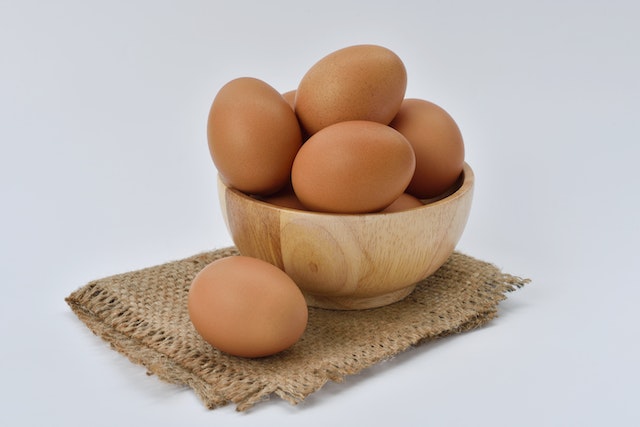
One of the common questions that patients may have before a colonoscopy is whether or not it is okay to eat eggs two days before the procedure. Eggs are a good source of protein, vitamins, and minerals, and are a staple in many people’s diets. However, they also contain fat and cholesterol, which may make them a less than ideal choice for someone who is preparing for a colonoscopy.
The answer to whether or not it is okay to eat eggs two days before a colonoscopy will depend on a few factors, including the patient’s individual health status and the specific dietary restrictions that have been recommended by their healthcare provider.
In general, two days before a colonoscopy, patients are usually advised to avoid any solid foods and stick to a clear liquid diet. This is done to help ensure that the colon is completely empty and free of any fecal matter or debris that may interfere with the accuracy of the examination. Clear liquids include things like water, clear broths, tea, coffee, sports drinks, and clear fruit juices (without pulp).
While eggs are not typically considered a clear liquid, there are some circumstances where they may be allowed two days before a colonoscopy. For example, if a patient is following a low-fiber diet in preparation for the procedure, they may be allowed to eat eggs as long as they are prepared in a way that is consistent with the dietary restrictions. This may include things like poached or boiled eggs, but would likely exclude things like fried or scrambled eggs that are cooked with butter or oil.
It is important to note that each patient’s situation is unique, and the specific dietary restrictions that have been recommended by their healthcare provider may differ depending on their individual health status and the specific reasons for the colonoscopy.
In addition to following any specific dietary restrictions, it is also important for patients to stay hydrated before and after a colonoscopy. This means drinking plenty of clear liquids and avoiding anything that may cause dehydration, such as alcohol or caffeine.
Overall, while there may be some circumstances where eggs are allowed two days before a colonoscopy, it is generally best to follow the dietary restrictions that have been recommended by your healthcare provider. This may involve sticking to a clear liquid diet and avoiding any solid foods, including eggs. By following these recommendations, you can help ensure that your colon is clean and clear for the procedure, which will help to ensure its accuracy and effectiveness.