Lipids are a class of biological molecules that are known for their hydrophobic nature. It means they do not readily dissolve in water. This is due to their unique chemical structure, which consists of a hydrophilic (water-loving) head and a hydrophobic (water-fearing) tail. This structural arrangement gives lipids their characteristic properties. Allows them to play a wide range of essential roles in living organisms.
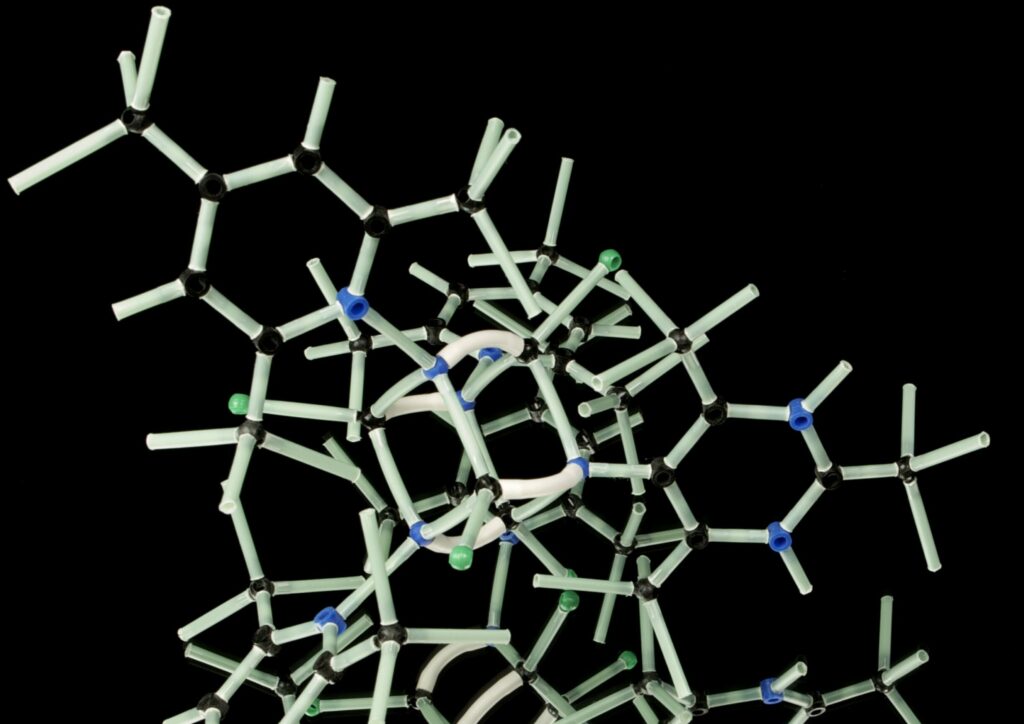
The hydrophobic nature of lipids can be attributed to their high proportion of nonpolar covalent bonds, particularly carbon-hydrogen (C-H) bonds. Which have similar electronegativities and share electrons equally. These nonpolar bonds result in an overall neutral charge distribution within the lipid molecule, making it less likely to interact with polar molecules like water. In contrast, the hydrophilic heads of lipids contain polar functional groups. Such as phosphate or carboxyl groups, which are capable of forming hydrogen bonds with water molecules.
The hydrophobic nature of lipids has several important implications for their biological functions. One of the most notable functions of lipids is to serve as the primary component of cellular membranes. Which act as a barrier between the cell and its external environment. Lipids form a lipid bilayer in which the hydrophobic tails face each other in the interior of the membrane. While the hydrophilic heads face the watery extracellular and intracellular environments. This arrangement creates a selectively permeable barrier that regulates the movement of substances in and out of the cell.
The hydrophobic nature of lipids also plays a crucial role in energy storage. Lipids, such as triglycerides, are the primary form of stored energy in animals and are stored in adipose tissue. The hydrophobic tails of triglycerides allow them to be densely packed and stored efficiently, providing a long-term energy reserve that can be mobilized when needed. Additionally, lipids are an important component of many food sources, such as oils and fats. Which provide a concentrated source of energy for organisms.
In addition to their roles in cellular membranes and energy storage, lipids. It also have important functions in cell signaling, insulation, and protection. For example, some lipids, such as cholesterol, play a crucial role in cell signaling by regulating the fluidity and permeability of cellular membranes. Other lipids, such as waxes, provide a waterproof barrier on the surface of leaves, feathers, and skin, preventing water loss and protecting against environmental stresses.
The hydrophobic nature of lipids also influences their behavior in aqueous environments. When lipids are introduced into water, they tend to aggregate or self-assemble, forming various structures. Such as micelles and lipid droplets. Micelles are formed when lipids with a single hydrophobic tail, such as fatty acids, aggregate in water, with their hydrophilic heads facing outward and their hydrophobic tails facing inward. Lipid droplets, on the other hand, are formed when lipids with multiple hydrophobic tails. Such as triglycerides, aggregate in water, with their hydrophilic heads on the surface and their hydrophobic tails sequestered in the interior.
Furthermore, the hydrophobic nature of lipids also affects their transportation in the bloodstream. Lipids, being insoluble in water, cannot be transported directly in the blood, which is primarily composed of water. Instead, lipids are transported in the bloodstream by lipoproteins, which are specialized particles that contain both lipids and proteins. The proteins on the surface of lipoproteins make them water-soluble, while the lipids are carried in the interior, shielded from the aqueous environment.
In conclusion, lipids are hydrophobic molecules.