Megalodon, meaning “big tooth,” is an extinct species of shark that lived approximately 2.6 million years ago during the Cenozoic Era. Megalodons are believed to be the largest shark species ever to exist, with estimated lengths of up to 60 feet and weights of up to 100 tons. Despite their impressive size, megalodons went extinct during the Pliocene epoch, and there is no scientific evidence to suggest that they still exist today.
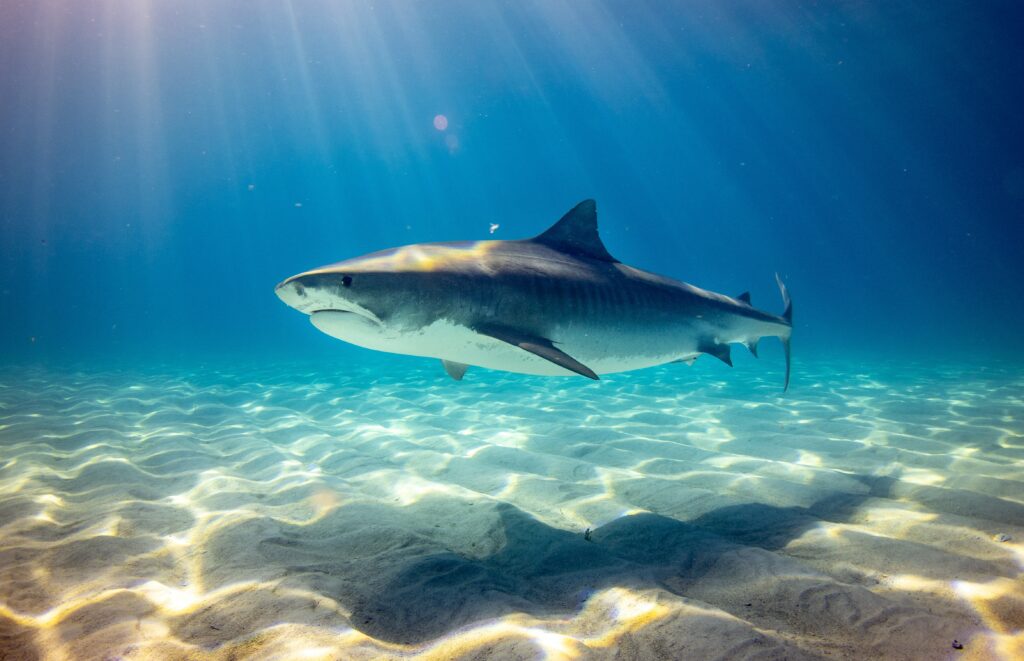
While there have been occasional reports of sightings and alleged megalodon teeth found in modern times, none of these claims have been substantiated by scientific evidence. The vast majority of experts in the fields of marine biology and paleontology agree that megalodons are extinct, and the idea that they might still be alive is considered highly unlikely.
One of the primary reasons that megalodons are believed to be extinct is that their fossils have been found in geological strata dating back to the Pliocene epoch, which ended approximately 2.6 million years ago. In addition, there is no known habitat in the modern world that could support a population of such large and specialized predators. Megalodons were apex predators that likely fed on whales and other large marine mammals, and their extinction is thought to have been caused by changes in ocean temperatures, sea levels, and prey availability during the Pliocene epoch.
Despite the lack of scientific evidence to support the idea that megalodons still exist, they continue to capture the public imagination and have been featured in numerous works of fiction, movies, and documentaries. Some of the reported sightings and alleged megalodon teeth that have been found in modern times may be the result of misidentification or hoaxes, while others may be the result of misinterpretation of data or wishful thinking.
In conclusion, while it is natural to be fascinated by the idea of giant prehistoric sharks still roaming the ocean depths, the evidence overwhelmingly suggests that megalodons are extinct and have been for millions of years. While there is always the possibility that new evidence may come to light in the future that could change our understanding of megalodon biology and behavior, for now, the idea that they still exist is not supported by scientific evidence.