Police cars are typically authorized to operate with certain privileges that are not available to the general public. Among these privileges is the ability to exceed the speed limit and engage in other forms of reckless driving when in pursuit of a suspect or responding to an emergency. While police officers are permitted to break certain traffic laws in order to perform their duties, there are strict rules and guidelines in place to ensure that they do so safely and responsibly.
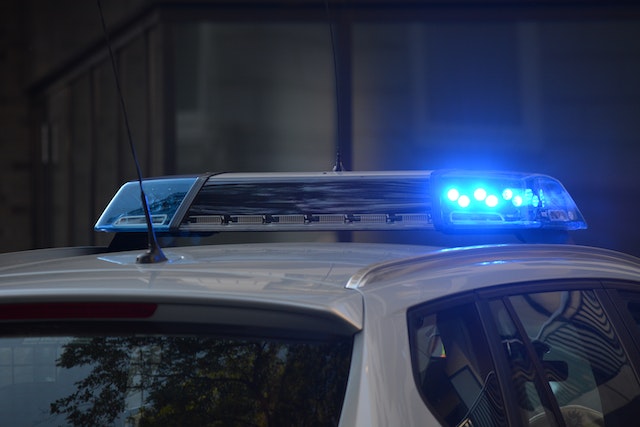
One of the primary reasons that police officers are permitted to exceed the speed limit is to respond to emergencies quickly. When someone calls 911 or otherwise alerts the police to a potential crisis, time is of the essence. In many cases, the difference between arriving on the scene in a matter of minutes versus half an hour or more can make all the difference. Whether responding to a fire, a medical emergency, or a violent crime, police officers need to be able to get to the scene as quickly and safely as possible.
Another reason that police officers are permitted to speed is to pursue suspects who are attempting to flee. Whether responding to a high-speed chase or simply trying to catch up to a vehicle that is believed to be involved in a crime, police officers need to be able to maneuver their vehicles at high speeds in order to keep up. While this can be dangerous, both for the police officer and for other drivers on the road, it is often necessary in order to apprehend dangerous suspects and protect the public.
Of course, just because police officers are permitted to exceed the speed limit and engage in other forms of reckless driving under certain circumstances does not mean that they are free to do so whenever they please. There are strict rules and regulations in place that dictate when and how police officers can use their vehicles in this manner. For example, many police departments have specific protocols in place for responding to emergencies or engaging in high-speed pursuits. These protocols may include requirements for officers to use their sirens and lights, to notify their dispatchers of their actions, and to communicate with other officers in the area to avoid collisions or other accidents.
Similarly, police officers are typically required to undergo extensive training in order to learn how to operate their vehicles safely and effectively in high-stress situations. This may include courses on defensive driving, evasive maneuvers, and communication skills. Additionally, many police departments have strict policies in place regarding the maintenance and upkeep of their vehicles. Regular maintenance and inspections are necessary to ensure that police vehicles are in good working order and equipped with the latest safety features.
While police officers are permitted to exceed the speed limit and engage in other forms of reckless driving under certain circumstances, there are strict rules and regulations in place to ensure that they do so safely and responsibly. It is important for police officers to receive adequate training and to follow department protocols in order to minimize the risk of accidents and injuries. Likewise, it is important for the public to understand that police officers are often called upon to perform dangerous and difficult tasks, and to respect the role that they play in keeping our communities safe.
In conclusion, police cars are allowed to speed in certain circumstances, such as responding to emergencies or pursuing suspects. However, there are strict rules and guidelines in place to ensure that police officers operate their vehicles safely and responsibly. Police departments typically have specific protocols and training programs in place to ensure that their officers are equipped to handle high-stress situations and that their vehicles are in good working order. Ultimately, the goal of allowing police officers to exceed the speed limit and engage in other forms of reckless driving is to protect the public and to prevent crimes from occurring or escalating.