The rules and regulations regarding tattoos in special forces units vary depending on the specific branch of the military and the country in which the unit operates. However, generally speaking, tattoos are permitted in most special forces units, but there are often restrictions on the type, size, and location of tattoos.
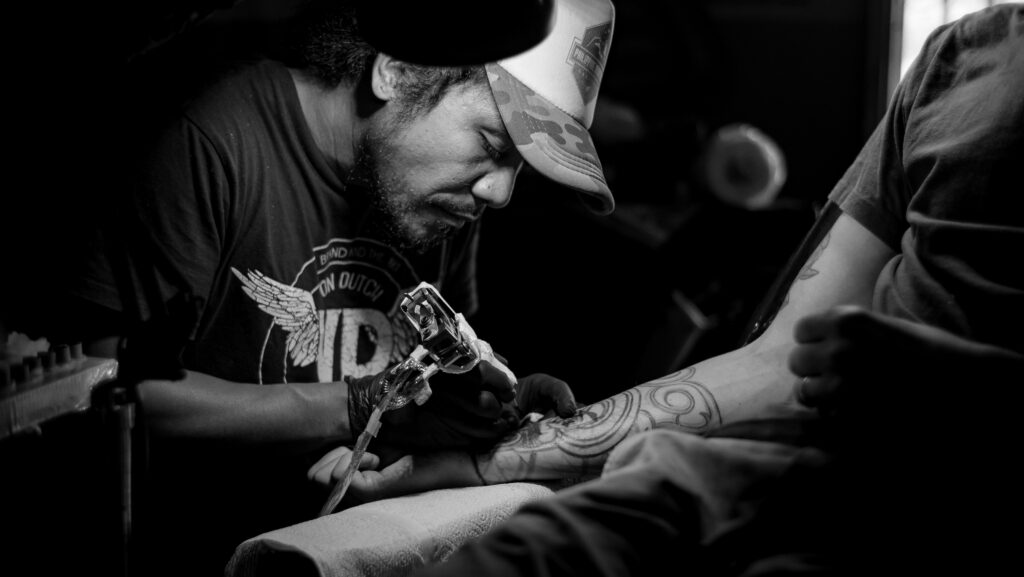
In the United States, for example, the Army has strict regulations on the size and placement of tattoos for soldiers. Army Regulation 670-1 outlines specific rules for tattoos, including limitations on the size and location of tattoos on the head, face, neck, and hands. The Army also prohibits tattoos that are extremist, indecent, sexist, or racist.
The Navy has similar regulations on tattoos, with restrictions on the size and location of tattoos on the neck, face, head, and hands. The Navy also prohibits tattoos that are discriminatory or promote drug use, violence, or extremist views.
In the Air Force, tattoos are allowed as long as they are not visible when the service member is in uniform. Tattoos on the head, face, neck, or hands are not permitted, and the Air Force prohibits tattoos that are extremist or gang-related.
Special forces units, such as the Navy SEALs and Army Rangers, have their own specific regulations on tattoos. For example, the Navy SEALs do not allow tattoos that can be seen when wearing their PT uniform or when in civilian clothing. The Army Rangers also have restrictions on the size and placement of tattoos, with the understanding that tattoos should not detract from the unit’s professional appearance.
In addition to restrictions on the size and placement of tattoos, special forces units often have rules about the content of tattoos. Tattoos that are considered offensive or inappropriate, such as those that promote drug use, violence, or extremist views, are generally not allowed. Additionally, tattoos that could be considered discriminatory or sexist may also be prohibited.
It’s important to note that special forces units often have strict grooming and appearance standards, and tattoos are just one aspect of these regulations. Service members must also adhere to rules regarding hairstyles, facial hair, and other aspects of personal appearance. These regulations are designed to promote a professional and uniform appearance among service members and to maintain the image of the unit.
Overall, while the rules regarding tattoos in special forces units may vary, most units have restrictions on the size, location, and content of tattoos. Service members are expected to adhere to these regulations in order to maintain a professional appearance and to uphold the standards of their unit. If you are considering joining a special forces unit and have questions about tattoos, it’s important to research the specific regulations of the unit and to consult with a recruiter or military advisor.