Tattoos have a long history dating back thousands of years, and they have been found on individuals of various ages and from diverse cultures around the world. While tattoos are often associated with younger generations, it is not uncommon to find older individuals with tattoos as well. In this article, we will explore the presence of tattoos among older people and the reasons behind their choices to get inked.
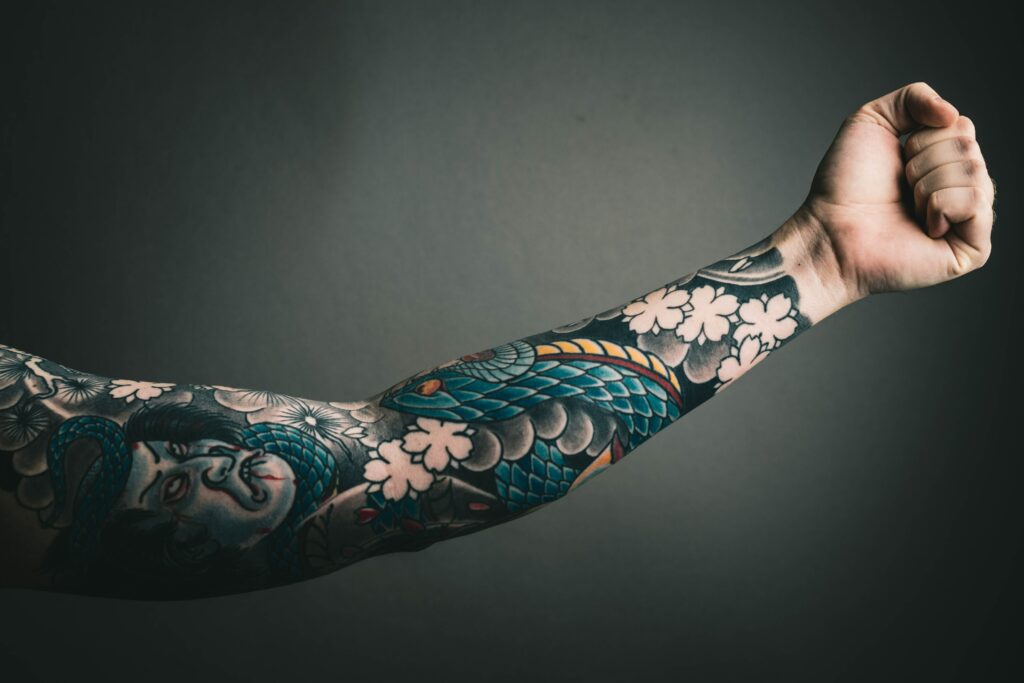
Historically, tattoos have served various purposes, such as cultural, spiritual, or ceremonial. In some societies, tattoos were used to mark important life events or milestones, to indicate social status or group affiliation, or as a form of expression and art. In many indigenous cultures, for example, tattoos were seen as symbols of strength, wisdom, and protection, and were often acquired at a young age and retained throughout an individual’s lifetime. These traditional tattoo practices continue to exist in many parts of the world today, and older individuals may still carry tattoos from their youth that hold cultural or spiritual significance.
In modern times, tattoos have become more mainstream and are often associated with self-expression, individuality, and personal aesthetics. The popularity of tattoos has grown significantly in recent decades, and people of all ages, including older individuals, are getting tattoos for a variety of reasons.
One reason why older people may choose to get tattoos is to commemorate significant life events or experiences. For example, getting a tattoo to mark the birth of a grandchild, the passing of a loved one, or a milestone wedding anniversary can hold deep personal meaning for older individuals. Tattoos can serve as a form of memorial or tribute, allowing older individuals to carry a physical reminder of important life moments with them.
Another reason why older people may choose to get tattoos is to express their individuality or to challenge societal norms. Older individuals may feel a sense of liberation or empowerment in expressing themselves through body art, especially if they have lived in times or cultures where tattoos were considered taboo or frowned upon. Tattoos can be a way for older individuals to assert their independence, assert their identity, or simply have fun and be playful with their appearance.
In some cases, older individuals may choose to get tattoos as a form of rejuvenation or reinvention. Tattoos can be seen as a way to enhance or transform one’s physical appearance, giving older individuals a sense of renewed vitality or a fresh start. For example, some older individuals may choose to cover up scars, age spots, or other physical imperfections with tattoos, helping them to feel more confident and comfortable in their bodies.
Moreover, tattoos can also serve as a form of self-care or self-expression for older individuals who may be going through significant life transitions, such as retirement or an empty nest. Tattoos can be a way to celebrate newfound freedom, explore new interests or hobbies, or simply add a touch of excitement or novelty to an otherwise routine or predictable stage of life.
It’s important to note that getting a tattoo is a personal choice, and older individuals who choose to get tattoos should carefully consider their own physical health and other factors that may affect their decision. As we age, our skin becomes thinner and less elastic, which may affect the healing process of a tattoo and increase the risk of complications, such as infection or scarring. Older individuals should also consider any underlying health conditions or medications they may be taking that could affect the safety or outcome of a tattoo procedure.
In conclusion, while tattoos are often associated with younger generations, it is not uncommon to find older individuals with tattoos as well. Older people may choose to get tattoos for various reasons, including to commemorate life events, express their individuality, challenge societal norms, rejuvenate their appearance, or practice self-care or self-expression. Getting a tattoo is a personal choice, and older individuals should carefully consider their own physical health and other factors before deciding to get ink.