Water moccasins, also known as cottonmouths, are venomous snakes that are native to North America. They are often found in or near bodies of water, such as swamps, marshes, and rivers. The question of whether water moccasin bites are fatal is a complex one, and the answer depends on a variety of factors.
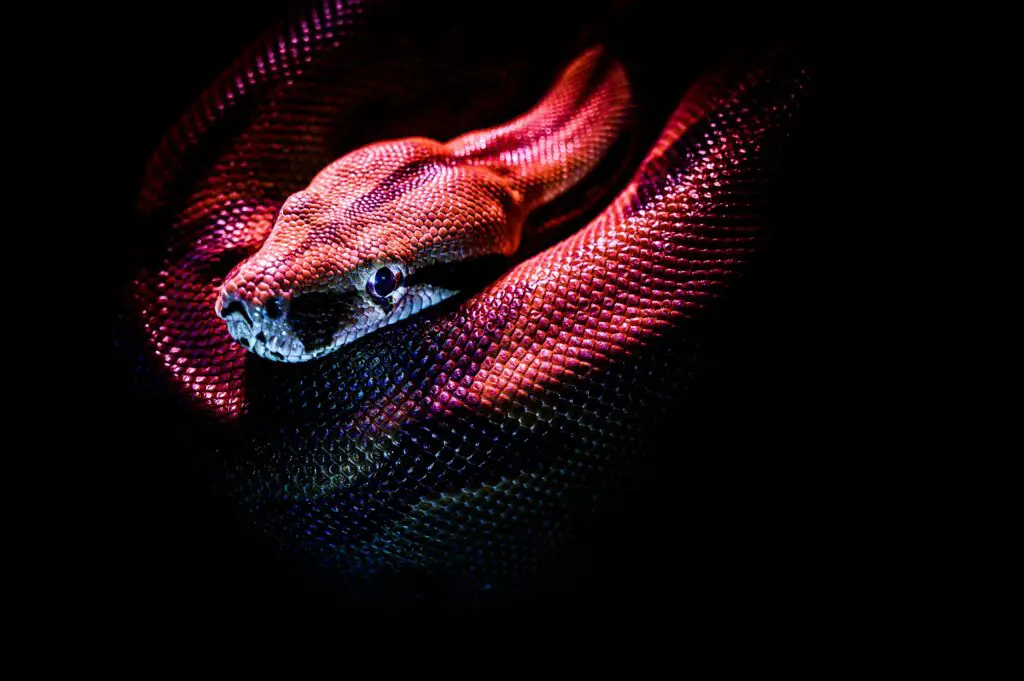
First, it’s important to understand the nature of water moccasin venom. Like all venomous snakes, water moccasins have specialized glands in their heads that produce venom. When they bite, they inject venom into their prey or potential predator. Water moccasin venom is a hemotoxic venom, which means that it attacks the circulatory system and causes tissue damage. It can also cause a range of other symptoms, such as swelling, pain, and difficulty breathing.
While water moccasin bites can be serious, they are not always fatal. In fact, the vast majority of water moccasin bites do not result in death. According to the American Association of Poison Control Centers, there were approximately 6,500 reported cases of venomous snakebites in the United States in 2018, and only five of those resulted in death. However, it’s important to note that these statistics include bites from all types of venomous snakes, not just water moccasins.
The severity of a water moccasin bite depends on a number of factors, including the size and health of the victim, the location of the bite, and the amount of venom injected. Bites that occur on the limbs or torso are generally less serious than bites to the head, neck, or trunk. Children and elderly individuals are at greater risk of serious complications from snakebites, as are individuals with underlying health conditions such as heart disease or diabetes.
Symptoms of a water moccasin bite can include pain, swelling, discoloration, nausea, vomiting, dizziness, and difficulty breathing. In severe cases, the venom can cause muscle weakness, paralysis, and even death. However, it’s important to note that most victims of water moccasin bites do not experience severe symptoms. With prompt medical attention and proper treatment, the vast majority of individuals who are bitten by water moccasins make a full recovery.
Treatment for water moccasin bites typically involves antivenom, which is a medication that neutralizes the venom in the bloodstream. The antivenom is administered intravenously and must be given in a hospital setting. Other treatments may include pain medication, antibiotics, and wound care. It’s important to seek medical attention as soon as possible after a water moccasin bite, as early treatment can significantly reduce the risk of serious complications.
In conclusion, water moccasin bites can be serious, but they are not always fatal. The severity of a bite depends on a variety of factors, including the size and health of the victim, the location of the bite, and the amount of venom injected. With prompt medical attention and proper treatment, most individuals who are bitten by water moccasins make a full recovery. It’s important to take precautions when in areas where water moccasins may be present, such as wearing protective clothing and shoes and avoiding areas where snakes are known to be active. If you are bitten by a water moccasin, seek medical attention immediately.