Butter is a versatile dairy product made from churning cream, widely used in cooking and baking. It adds richness and flavor to a variety of dishes, from savory to sweet.
This guide covers the different types of butter, its uses in the kitchen, and tips for storage and cooking techniques.
Understanding Butter
Butter is a staple in many kitchens, cherished for its rich flavor and versatility. It can be found in various forms, including salted, unsalted, and clarified, each serving distinct purposes in cooking and baking.
Salted butter is often used for spreading on bread or enhancing the flavor of dishes, while unsalted butter is preferred in baking to control the salt content. Clarified butter, with its milk solids removed, is ideal for high-heat cooking.
The Allure of Creamy Butter
Picture a block of creamy butter, glistening under soft light, inviting you to take a slice. This simple yet luxurious ingredient can elevate any meal, whether it’s a rustic loaf of bread or a gourmet dish.
Butter’s texture and taste can transform ordinary ingredients into something special. When paired with fresh herbs, it becomes a delightful spread that complements crusty bread perfectly.
Enhancing Your Culinary Experience
Using butter in your cooking can enhance flavors and create a comforting atmosphere. The combination of creamy butter and sea salt creates a delightful contrast that tantalizes the taste buds.
When served with fresh bread, the experience becomes even more inviting. The crusty exterior of the bread, combined with the smoothness of the butter, offers a satisfying bite that warms the soul.
Storage Tips for Freshness
To maintain the freshness of your butter, proper storage is key. Keep it in an airtight container to prevent it from absorbing odors from the fridge.
For longer storage, consider freezing butter in smaller portions. This allows you to use only what you need while keeping the rest fresh for future use.
Cooking Techniques with Butter
Butter can be used in various cooking techniques, from sautéing vegetables to enriching sauces. Its ability to enhance flavors makes it a favorite among chefs and home cooks alike.
When cooking with butter, be mindful of the heat. While it adds richness, it can burn if overheated. Learning to control the temperature will ensure you get the best results in your dishes.
Creating a Cozy Atmosphere
The presentation of butter can also contribute to a warm and inviting dining experience. A rustic wooden table adorned with a block of butter, a butter knife, and a dish of sea salt creates a homey feel.
Surrounding the butter with fresh herbs and a loaf of crusty bread not only enhances the visual appeal but also adds layers of flavor, making every meal feel special.
Understanding Butter
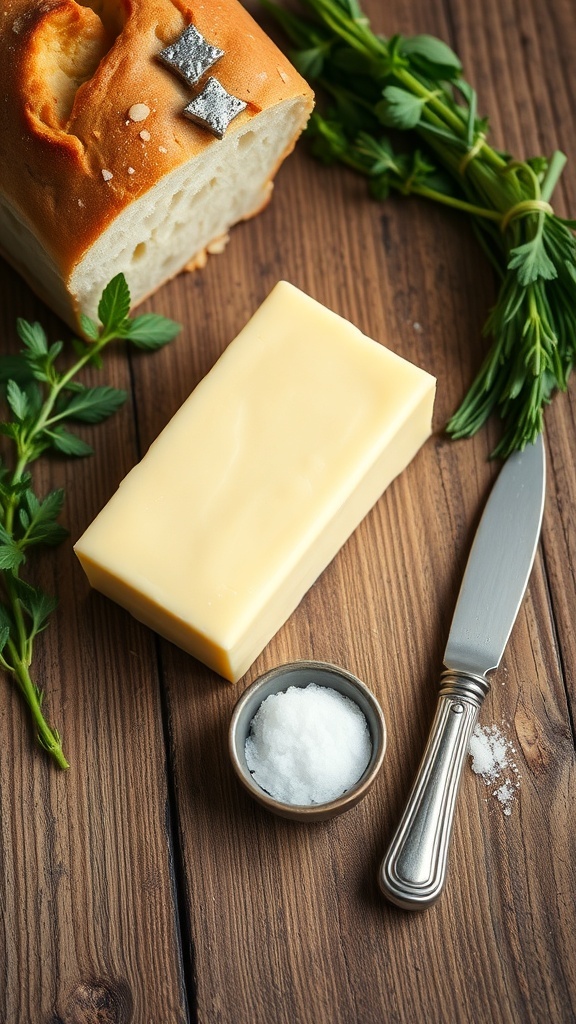
Butter comes in various forms, including salted, unsalted, and clarified. Each type has its unique applications, whether for spreading on bread, cooking, or baking. Proper storage is essential to maintain its freshness and flavor.
Ingredients
- Cream (for making butter)
- Salt (for salted butter)
Instructions
- Churn Cream: Pour heavy cream into a mixing bowl or food processor and churn until it thickens and separates into butter and buttermilk.
- Drain Buttermilk: Once the butter forms, drain off the buttermilk and rinse the butter under cold water to remove any remaining buttermilk.
- Knead and Salt: Knead the butter to remove excess moisture and mix in salt if desired.
- Store: Place the butter in an airtight container and refrigerate or freeze for longer storage.
Cook and Prep Times
- Prep Time: 10 minutes
- Total Time: 10 minutes
- Servings: 1 tablespoon
- Calories: 102kcal
- Fat: 11g
- Protein: 0g
- Carbohydrates: 0g
Related
- Growing Garlic in Zone 7: A Comprehensive Guide
- Planting Garlic Bulbs in Zone 7: A Comprehensive Guide
- Growing Garlic in Zone 7: A Comprehensive Guide
- Growing Garlic in Zone 8: A Comprehensive Guide