Yes, it is possible for two parents with brown eyes to have a child with hazel eyes. Eye color is a complex trait that is influenced by multiple genes. As well as other factors such as genetics, pigmentation, and environment. While brown eyes are the most common eye color worldwide, hazel eyes are less common. It have a unique combination of colors that can result from various genetic factors.
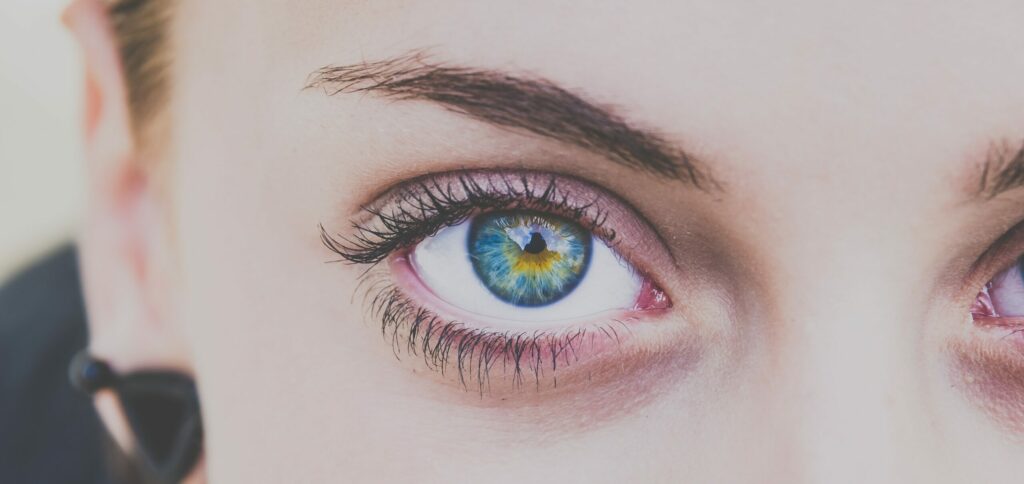
To understand how two parents with brown eyes can have a child with hazel eyes. Let’s delve into the genetics of eye color. The color of the iris, which is the colored part of the eye, is determined by the amount and type of pigments in the front layers of the iris. As well as the scattering of light by the turbid medium in the stroma of the iris. The amount and type of pigments in the front layers of the iris are determined by the genes inherited from the parents.
There are two main types of pigments that determine eye color: melanin and lipochrome. Melanin is responsible for the dark coloration in the iris, while lipochrome is responsible for the lighter colors. The specific genes that determine the type and amount of pigments in the iris are not fully understood, but it is known that multiple genes are involved in the process.
The most well-known gene associated with eye color is called OCA2 (oculocutaneous albinism II), which is located on chromosome 15. This gene produces a protein that helps regulate the production of melanin in the iris. However, the OCA2 gene alone does not account for all the variations in eye color, including hazel eyes.
Other genes, such as HERC2 (hect domain and RCC1 domain-containing protein 2) and SLC24A4 (solute carrier family 24 member 4), have also been identified as playing a role in eye color determination. These genes are involved in the production and distribution of melanin in the iris. Variations in these genes can result in different eye colors, including hazel eyes.
Hazel eyes are a unique combination of colors, typically consisting of green, brown, and gold. The exact genetic mechanisms that result in hazel eyes are not fully understood. But it is believed to involve a combination of genes that influence the production and distribution of melanin and lipochrome in the iris.
One possible scenario for two parents with brown eyes to have a child with hazel eyes is if both parents carry a recessive gene for green or blue eyes, in addition to the genes for brown eyes. If both parents pass on their recessive gene for green or blue eyes to their child. If the child also inherits a gene for lipochrome, it can result in the unique color combination of hazel eyes. This would require both parents to carry a recessive gene for green or blue eyes, and the child to inherit both of these genes, as well as a gene for lipochrome.
It’s also important to note that genetic inheritance is a complex process, and the outcome of eye color in a child can be influenced by other factors. Such as genetic mutations, epigenetics (changes in gene expression), and environmental factors. For example, some studies have suggested that exposure to sunlight. Other environmental factors during early childhood can influence the development of eye color.
In conclusion, while brown eyes are the most common eye color and hazel eyes are less common. It is possible for two parents with brown eyes to have a child with hazel eyes. Eye color is a complex trait that is influenced by multiple genes. As well as other factors, and the specific genetic mechanisms that result in hazel eyes are not fully understood. It’s important to remember that genetics is a complex field and our understanding of eye color inheritance.