The answer to this question depends on a number of factors, including the individual’s body weight, metabolism, tolerance, and the amount and type of alcohol consumed. In general, however, it is possible for 5 alcoholic drinks to cause intoxication in some people.
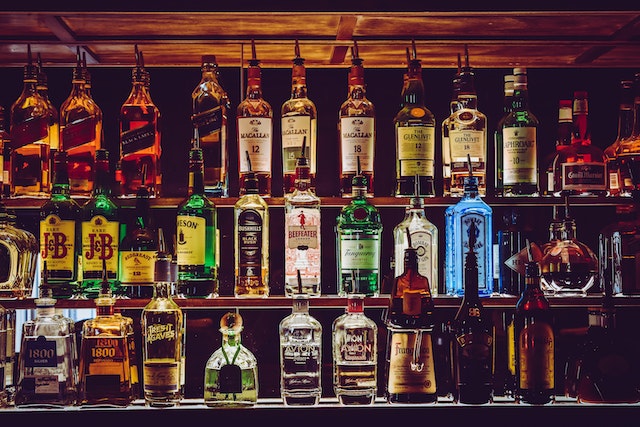
The amount of alcohol in a standard drink can vary depending on the type of alcohol and the size of the serving. In the United States, a standard drink is defined as containing 0.6 ounces (14 grams) of pure alcohol, which is roughly equivalent to:
- 12 fluid ounces (355 milliliters) of regular beer (usually about 5% alcohol)
- 8-9 fluid ounces (237-266 milliliters) of malt liquor (usually about 7% alcohol)
- 5 fluid ounces (148 milliliters) of wine (usually about 12% alcohol)
- 1.5 fluid ounces (44 milliliters) of distilled spirits (usually about 40% alcohol)
Assuming that each drink contains a standard amount of alcohol, consuming 5 drinks in a short period of time can result in a blood alcohol concentration (BAC) that exceeds the legal limit for driving, which is 0.08% in most US states. However, the level of intoxication experienced by an individual can vary depending on a number of factors.
Body weight and metabolism are important factors in determining how quickly an individual’s BAC will rise after consuming alcohol. In general, people who weigh more and have a higher percentage of body fat will have a lower BAC than those who weigh less and have a higher percentage of lean body mass. Additionally, people with a slower metabolism may take longer to process alcohol, resulting in a higher BAC for a longer period of time.
Tolerance is another important factor in determining how much alcohol it takes to get drunk. Regular drinkers may develop a higher tolerance to alcohol over time, meaning that it takes more alcohol to produce the same level of intoxication. However, even people with a high tolerance can become intoxicated if they consume a large amount of alcohol in a short period of time.
The type of alcohol consumed can also affect the level of intoxication. Drinks with a higher alcohol content, such as malt liquor or distilled spirits, can produce a higher BAC than beer or wine. Additionally, the rate at which alcohol is consumed can also affect intoxication, with faster consumption leading to a higher peak BAC.
It is also important to note that even if a person does not feel drunk after consuming 5 drinks, they may still be impaired and at increased risk for accidents or other negative consequences. Alcohol can impair judgment, reaction time, and coordination, even at BAC levels below the legal limit for driving.
In summary, it is possible for 5 alcoholic drinks to result in intoxication in some people, depending on factors such as body weight, metabolism, tolerance, and the amount and type of alcohol consumed. However, the level of intoxication experienced can vary widely among individuals, and even people who do not feel drunk may still be impaired and at increased risk for accidents or other negative consequences. It is always important to drink responsibly and never to drive after consuming alcohol.