The marital status of pastors, including whether or not they can have a wife, depends on the specific religious denomination and its corresponding beliefs, practices, and policies. In some religious traditions, pastors are allowed to marry and have a wife, while in others, they may be required to remain celibate or abstain from marriage. The approach to pastoral marriage varies widely among different faiths, and it is important to consider the specific context and teachings of each religious tradition.
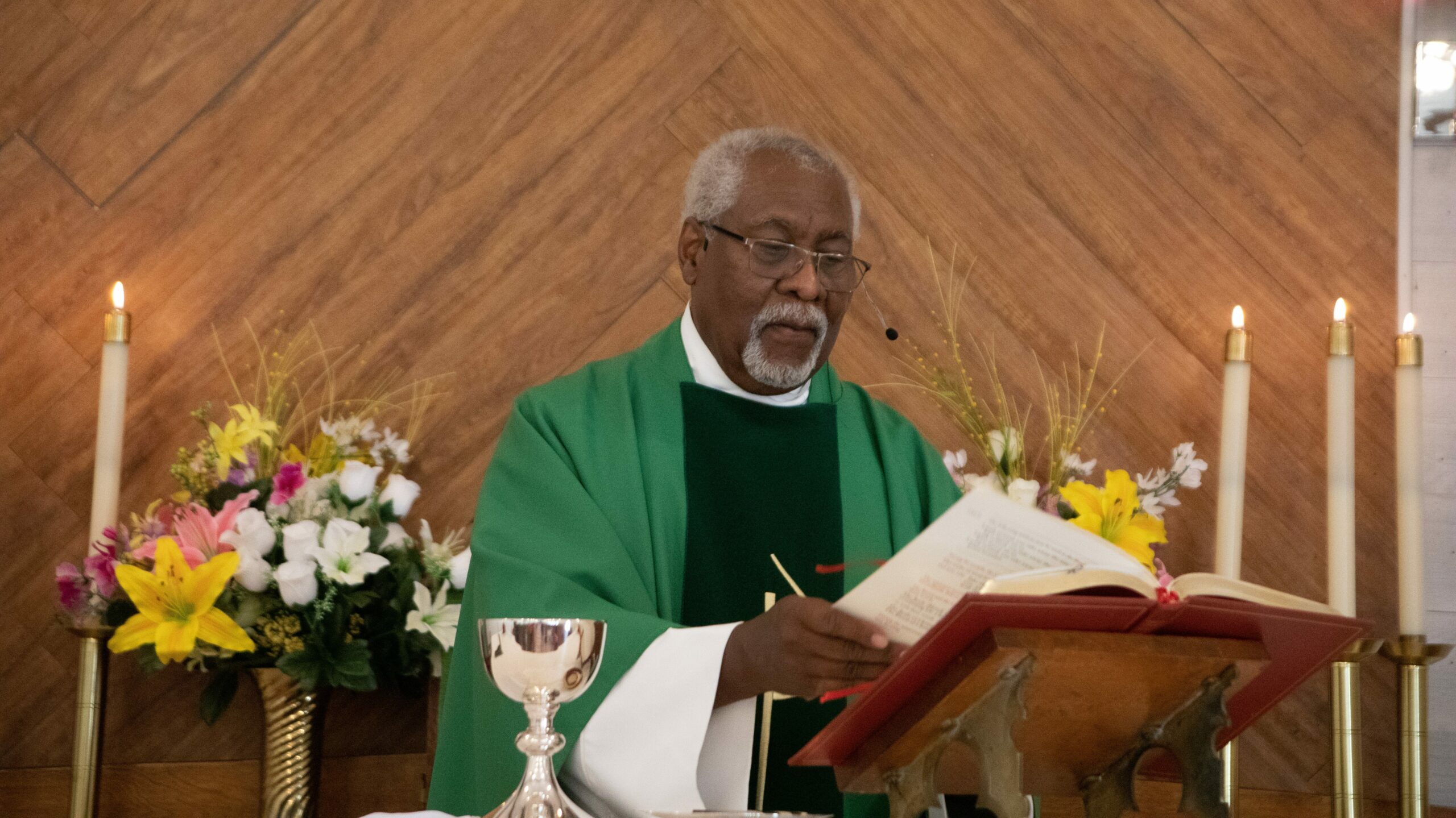
In many Christian denominations, pastors are allowed to marry and have a wife. For example, in Protestant Christianity, which encompasses various denominations such as Baptist, Methodist, Presbyterian, and Lutheran, among others, pastors are generally permitted to marry. In these traditions, marriage is considered a normal and honorable institution, and pastors are often expected to lead by example in their family life. Pastors who are married often share in the joys and challenges of married life, and their spouses may play an active role in their ministry, supporting their work and involvement in the local church.
Similarly, in many Eastern Orthodox and Oriental Orthodox Christian traditions, pastors, also known as priests or clergy, are allowed to marry before they are ordained. However, if they are already ordained, they are generally not allowed to marry afterward. There are some exceptions and variations within these traditions, depending on the specific practices and policies of each local church or diocese.
On the other hand, in Roman Catholicism, priests are generally required to remain celibate, which means they are not allowed to marry. This practice has been a longstanding tradition in the Catholic Church, although there are some exceptions. For instance, some Catholic priests may be allowed to marry if they were previously married before being ordained or if they are part of a particular group or order within the Catholic Church that permits married clergy, such as the Eastern Catholic Churches or the Anglican Ordinariate.
In some other religious traditions, such as Buddhism, Hinduism, and Judaism, marriage is generally allowed for religious leaders, including monks, priests, or rabbis, depending on the specific beliefs and practices of each tradition. However, there may be certain rules or guidelines that govern the marital status and conduct of religious leaders, which may vary depending on the specific sect or denomination.
It’s important to note that religious teachings and practices can evolve over time, and there may be differences in interpretation and application of religious doctrines related to the marital status of pastors or religious leaders within a particular faith community. Additionally, cultural and regional factors can also influence the stance on pastoral marriage within a religious tradition.
In recent years, there has been growing recognition and acceptance of diverse perspectives on pastoral marriage, with some religious traditions revisiting or reevaluating their policies on celibacy or marital status of clergy. For example, some denominations within Protestant Christianity have allowed for the ordination of openly LGBTQ+ individuals, including those in committed same-sex relationships. This has led to discussions and debates within these traditions about the marital status of pastors in such relationships.
In conclusion, whether or not a pastor can have a wife depends on the specific religious tradition and its teachings, practices, and policies. In many Christian denominations, pastors are allowed to marry, while in others, they may be required to remain celibate. Similarly, other religious traditions may have their own rules and guidelines regarding the marital status of pastors or religious leaders. It’s important to consider the specific context and teachings of each religious tradition when discussing the topic of pastoral marriage, as beliefs and practices can vary widely.