Bearded dragons are omnivorous reptiles that can eat a variety of fruits, vegetables, and insects. Watermelon is one of the fruits that can be given to bearded dragons, but it is important to understand the nutritional value and potential risks associated with feeding them this fruit.
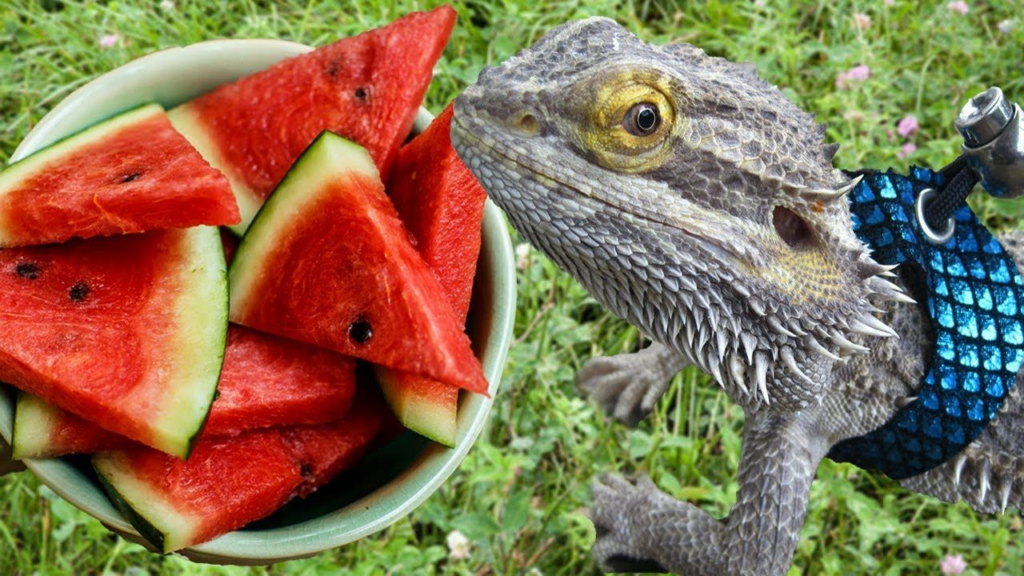
Firstly, watermelon is a great source of hydration for bearded dragons. As reptiles, they are susceptible to dehydration, especially in warmer temperatures, so providing them with water-rich fruits like watermelon is important to maintain their health. Watermelon is composed of 92% water, making it an excellent source of hydration.
Secondly, watermelon is rich in vitamins and minerals that are beneficial for bearded dragons. It contains vitamin C, vitamin A, and potassium, which are all essential for a healthy diet. Vitamin C is important for maintaining the immune system and preventing illnesses, while vitamin A is essential for maintaining healthy skin and eyesight. Potassium helps regulate blood pressure and support muscle and nerve function.
However, it is important to note that while watermelon is a healthy snack for bearded dragons, it should not be the main staple of their diet. Bearded dragons require a varied diet that includes a balance of protein, fruits, and vegetables. Overfeeding on any one type of food, including watermelon, can lead to nutritional imbalances and health problems.
In addition, bearded dragons should not be fed frozen or extremely cold watermelon. This can be harmful to their digestive system, as it can slow down their metabolism and cause digestive issues. It is best to serve watermelon at room temperature or slightly chilled.
When offering watermelon to bearded dragons, it is also important to prepare it properly. The skin and seeds of the watermelon should be removed, as they can be difficult for the bearded dragon to digest and may cause intestinal blockages. The flesh of the watermelon can be cut into small, bite-sized pieces to make it easier for the bearded dragon to eat.
Another important consideration when feeding watermelon to bearded dragons is the potential for high sugar content. While bearded dragons can metabolize sugar, excessive consumption can lead to weight gain and other health issues. It is important to offer watermelon in moderation, as part of a balanced diet.
It is also important to note that not all bearded dragons will enjoy or tolerate watermelon. Some individuals may have dietary restrictions or preferences that prevent them from eating certain types of food. It is important to monitor your bearded dragon’s reactions to new foods and consult with a veterinarian if you notice any unusual behavior or health concerns.
In summary, bearded dragons can eat cold watermelon as long as it is served at room temperature or slightly chilled. Watermelon is a healthy source of hydration and essential vitamins and minerals, but should not be the main staple of their diet. Proper preparation, including removal of the skin and seeds, is important to prevent digestive issues. Watermelon should be offered in moderation as part of a balanced diet and individual dietary restrictions and preferences should be taken into consideration.