While a loss of smell or taste is a common symptom of COVID-19, an ammonia-like smell is not typically associated with the virus. However, some COVID-19 patients have reported experiencing unusual or abnormal smells, including smells that are not typically associated with the virus.
Abnormal Smells and COVID-19
The loss of smell or taste, also known as anosmia or dysgeusia, respectively, is a well-known symptom of COVID-19. According to the Centers for Disease Control and Prevention (CDC), a loss of smell or taste is one of the most common symptoms of the virus, and it may occur even in the absence of other symptoms.
However, some COVID-19 patients have reported experiencing unusual or abnormal smells that are not typically associated with the virus. These smells may include:
- Burnt toast
- Rotten eggs
- Chemicals or gasoline
- Foul or putrid smells
In some cases, these unusual smells may be a sign of a more serious neurological condition, such as Parkinson’s disease or a brain tumor. However, in COVID-19 patients, they are more likely to be a temporary side effect of the virus.
Why Does COVID-19 Affect Smell and Taste?
The loss of smell and taste in COVID-19 patients is thought to be caused by the virus’s ability to infect and damage the cells that support the olfactory (smell) and gustatory (taste) systems. These cells are located in the nose and mouth, respectively, and are responsible for detecting and transmitting sensory information to the brain.
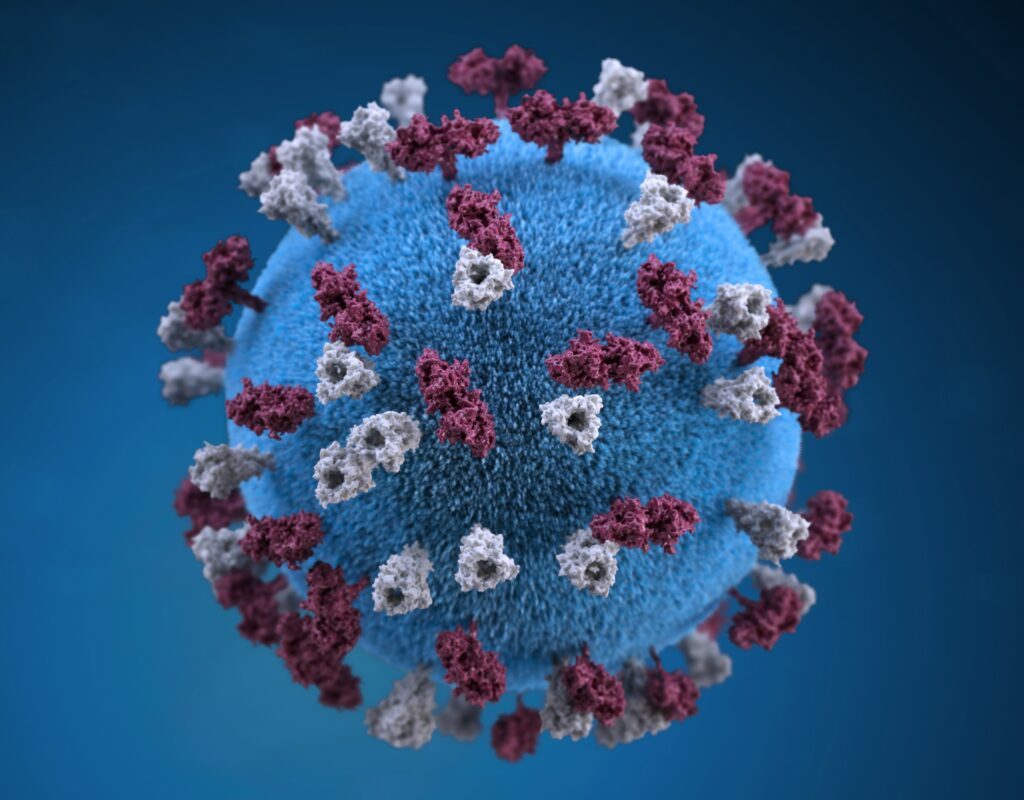
When the virus infects these cells, it can cause inflammation and damage, leading to a loss of smell and taste. While the exact mechanism by which the virus affects these cells is not yet fully understood, it is believed to involve the virus’s spike protein, which allows it to bind to and enter human cells.
Ammonia Smell and Other Causes
While an ammonia-like smell is not typically associated with COVID-19, it can be caused by a variety of other factors, including:
- Dehydration: When the body is dehydrated, urine becomes concentrated and can take on a stronger smell, including an ammonia-like odor.
- Kidney problems: If the kidneys are not functioning properly, they may not be able to filter waste products from the blood effectively, leading to a buildup of ammonia in the body.
- Liver disease: Liver disease can also lead to an accumulation of ammonia in the body, as the liver is responsible for breaking down ammonia into urea, which is excreted in urine.
- Infections: Some bacterial infections, such as urinary tract infections, can also cause urine to have an ammonia-like smell.
If you are experiencing an ammonia-like smell, it is important to talk to your healthcare provider to determine the underlying cause and appropriate treatment.
In Conclusion
While a loss of smell or taste is a common symptom of COVID-19, an ammonia-like smell is not typically associated with the virus. However, some COVID-19 patients have reported experiencing unusual or abnormal smells that are not typically associated with the virus, which may be a temporary side effect of the infection. If you are experiencing an ammonia-like smell or any other unusual symptoms, it is important to talk to your healthcare provider to determine the underlying cause and appropriate treatment.