The question of whether felons can be drafted into war is a complex and contentious one that requires careful consideration of legal, ethical, and practical factors. To begin, it is important to define what we mean by “felon.” A felony is a serious crime that is typically punishable by imprisonment for more than one year. However, it is worth noting that not all felons are created equal – some may have committed relatively minor offenses that led to felony convictions, while others may have committed more serious crimes. Additionally, some countries have different legal definitions of what constitutes a felony.
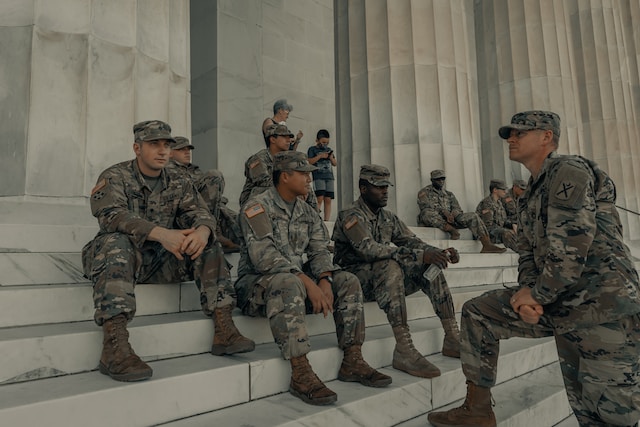
From a legal perspective, there is no clear answer as to whether or not felons can be drafted. In the United States, for example, the Selective Service System (SSS) is responsible for administering the draft, and their official policy is that anyone who is eligible for conscription must register, regardless of their criminal record. However, the SSS also notes that there may be some circumstances in which felons are disqualified from military service. For example, individuals who have been convicted of certain crimes may be barred from enlisting in the military, and this could extend to the draft as well.
From an ethical perspective, the question of whether felons should be drafted is more contentious. Some argue that felons should not be drafted because they have already been punished for their crimes and may not be fit for military service. Others argue that felons should be given the opportunity to serve their country, particularly if they have demonstrated remorse for their actions and a willingness to rehabilitate themselves.
One argument in favor of drafting felons is that it could provide them with a sense of purpose and direction. Serving in the military can be a transformative experience for many people, and it could help felons turn their lives around. Additionally, if the military were to actively recruit from the population of felons, it could help address issues of systemic inequality and poverty that often lead to criminal behavior in the first place.
On the other hand, there are concerns about the potential risks of drafting felons. For example, some argue that individuals who have been convicted of violent crimes may be more prone to committing acts of violence during wartime. There are also concerns about the potential impact that drafting felons could have on the morale and cohesion of military units. Some argue that allowing felons to serve could undermine the trust and respect that military personnel have for one another, and could ultimately harm the overall effectiveness of the military.
It is important to note that any decision about whether or not to draft felons should be made carefully and thoughtfully, taking into account the legal, ethical, and practical considerations at play. One potential approach could be to establish criteria for evaluating whether or not felons are fit for military service. For example, individuals who have committed certain types of crimes, such as violent offenses, may be deemed ineligible for military service or the draft. Additionally, there could be a process for evaluating individual cases on a case-by-case basis to determine whether or not a felon is fit for military service.
Another potential approach could be to provide alternative forms of national service for felons who are ineligible for military service or the draft. This could include opportunities for community service or other forms of public service that would allow felons to give back to their communities and contribute to the greater good.
In conclusion, the question of whether felons can be drafted into war is a complex one that requires careful consideration of legal, ethical, and practical factors. While there are valid arguments on both sides of the issue, any decision about whether or not to draft felons should be made carefully and thoughtfully, taking into account the potential risks and benefits.