Yes, fighter jets are capable of reaching Mach 1, which is the speed of sound in air. In fact, many modern fighter jets can exceed Mach 1 and reach supersonic speeds. In this answer, I will explain what Mach 1 is, how fighter jets achieve supersonic speeds, and the challenges associated with flying at these speeds.
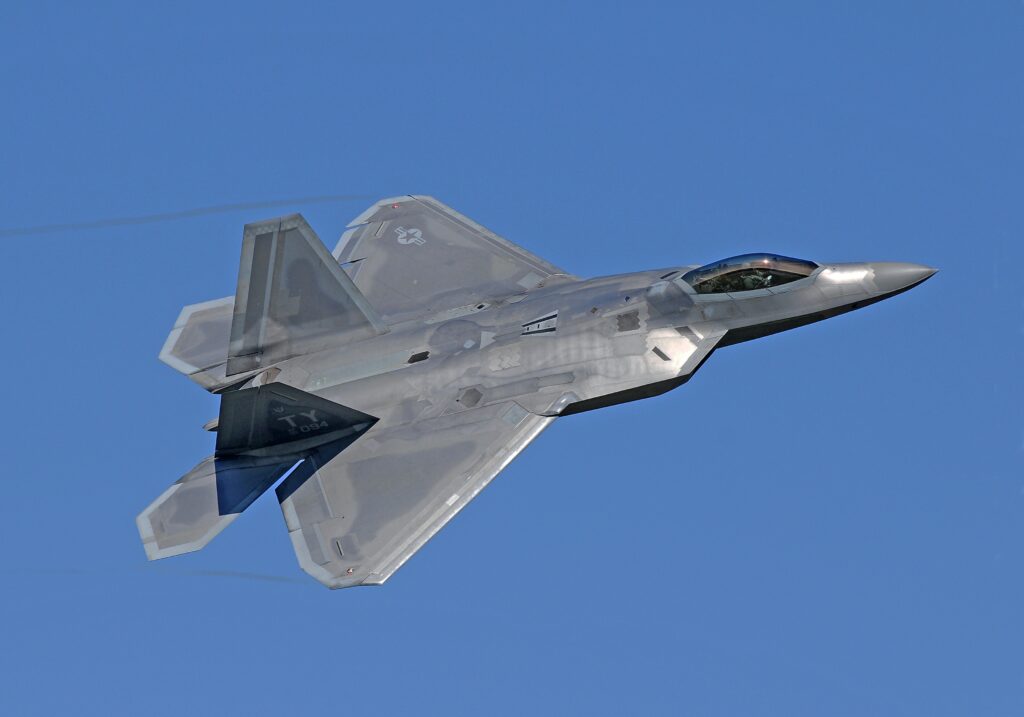
Mach 1 is defined as the speed of sound in air, which is approximately 343 meters per second or 1,235 kilometers per hour at sea level and 20 degrees Celsius. Flying at Mach 1 means that an object is traveling at the same speed as sound waves in air, and it creates a sonic boom that can be heard on the ground. In contrast, subsonic flight is when an object is traveling below Mach 1, and it does not create a sonic boom.
Fighter jets achieve supersonic speeds by using powerful jet engines and aerodynamic designs that allow them to overcome the resistance of the air at high speeds. Jet engines produce thrust by drawing in air, compressing it, and then expelling it at high speeds through a nozzle. This thrust propels the aircraft forward, allowing it to achieve high speeds.
However, flying at supersonic speeds creates several challenges for fighter pilots and aircraft designers. One of the biggest challenges is the high temperatures generated by air friction at these speeds. When an aircraft moves through the air, it creates friction, which generates heat. At supersonic speeds, the heat generated can cause the aircraft’s skin to become very hot, which can damage the aircraft and make it more difficult to control. To address this challenge, aircraft designers use materials that can withstand high temperatures, such as titanium and ceramic composites, and use cooling systems to dissipate the heat generated.
Another challenge of flying at supersonic speeds is the aerodynamic forces that are generated. As an aircraft approaches and exceeds the speed of sound, it encounters a shockwave that creates a sudden increase in drag and a shift in the aircraft’s center of gravity. This can cause the aircraft to become unstable and difficult to control. To overcome this challenge, aircraft designers use advanced aerodynamic designs that reduce drag and improve stability at high speeds. Additionally, fighter pilots receive extensive training to learn how to handle the aircraft at supersonic speeds and how to respond to unexpected situations.
In addition to these technical challenges, flying at supersonic speeds also creates environmental concerns. Sonic booms generated by supersonic flight can create loud noise that can disturb people and wildlife on the ground. As a result, many countries have regulations that restrict supersonic flight over land.
In conclusion, fighter jets are capable of reaching Mach 1 and even supersonic speeds. To achieve these speeds, fighter jets use powerful jet engines and advanced aerodynamic designs, but flying at supersonic speeds creates several challenges for aircraft designers and fighter pilots. These challenges include high temperatures generated by air friction, aerodynamic forces, and environmental concerns. Despite these challenges, supersonic flight remains an important capability for many modern fighter jets, and ongoing research and development are focused on improving the safety and efficiency of supersonic flight.