Germany does have an army, known as the Bundeswehr, which was established in 1955 after the end of World War II. However, the role and size of the Bundeswehr have been subject to significant debate and controversy over the years.
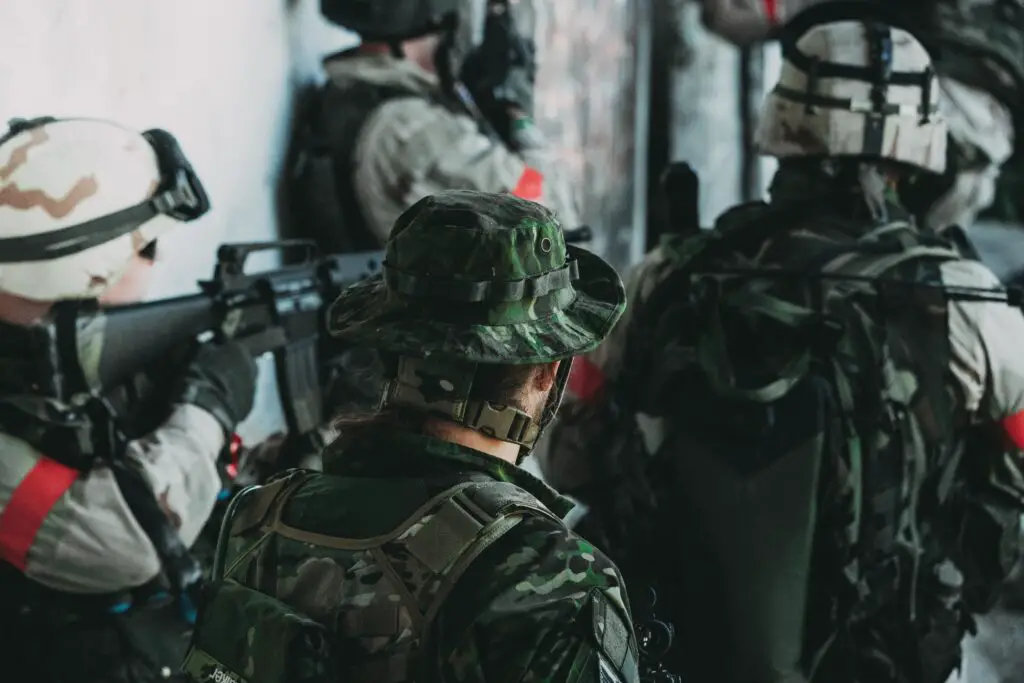
After World War II, Germany was prohibited from having a military under the terms of the Allied Occupation. However, as part of the rebuilding of Germany and the establishment of a new democratic government, the country was allowed to rearm and establish a military force. The Bundeswehr was established as a defensive force, designed to protect Germany and its allies from external threats.
The Bundeswehr has a relatively small number of personnel compared to some other countries, with around 180,000 active-duty soldiers and 80,000 reserves as of 2021. The force is also subject to strict regulations and oversight to ensure that it operates within the bounds of international law and democratic values.
However, the role and size of the Bundeswehr have been subject to controversy and debate within Germany and around the world. Some argue that Germany should have a larger military force that can project power globally and play a greater role in international security. Others argue that Germany’s history and role in World War II mean that the country should be cautious about military expansion and focus on defense rather than offense.
Germany’s military role has also been a topic of debate within the European Union (EU) and NATO. Some argue that Germany should take a more active role in these organizations and contribute more to international security efforts. Others argue that Germany’s role should be limited to defense within its own borders.
There have also been debates within Germany about the use of the Bundeswehr in domestic security situations. In recent years, the Bundeswehr has been involved in providing security at major events such as the G20 summit and the Olympics. Some argue that this represents a departure from the original defensive role of the Bundeswehr and that it could be used for purposes that undermine democracy and civil liberties.
In summary, Germany does have an army in the form of the Bundeswehr, which was established after World War II. The role and size of the Bundeswehr have been subject to significant debate and controversy, both within Germany and around the world. While some argue that Germany should have a larger military force and play a more active role in international security efforts, others argue that the country should focus on defense and be cautious about military expansion given its history. Ultimately, the role of the Bundeswehr and Germany’s military role more broadly will continue to be the subject of debate and discussion for years to come.