It is possible to eat pizza on a low sodium diet, but it requires some modifications to the traditional pizza recipe. Pizza is typically high in sodium due to the salt added to the dough, sauce, cheese, and toppings. However, there are ways to reduce the sodium content without sacrificing flavor.
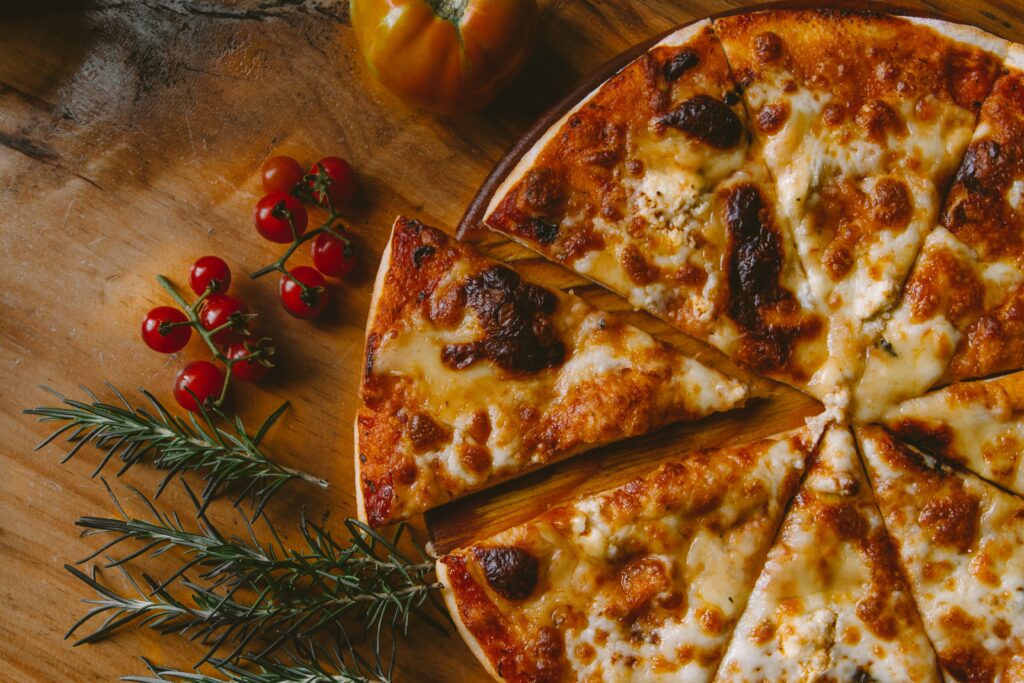
Here are some tips for enjoying pizza on a low sodium diet:
- Make your own pizza dough: Store-bought pizza dough often contains high levels of sodium, so making your own dough allows you to control the amount of salt added. You can also use a low-sodium baking mix or substitute half of the all-purpose flour with a low-sodium alternative, such as almond or coconut flour.
- Use low-sodium tomato sauce: Traditional pizza sauce is often high in sodium, but there are low-sodium alternatives available at most grocery stores. You can also make your own sauce using fresh tomatoes, herbs, and spices.
- Go easy on the cheese: Cheese is a significant source of sodium in pizza. Consider using less cheese, choosing a lower-sodium cheese, or substituting with non-dairy cheese alternatives.
- Use low-sodium toppings: Many common pizza toppings, such as pepperoni and sausage, are high in sodium. Consider using fresh vegetables, lean proteins, and herbs instead. Some low-sodium options include mushrooms, onions, bell peppers, grilled chicken, and shrimp.
- Season with herbs and spices: Instead of relying on salt for flavor, use herbs and spices to enhance the taste of your pizza. Garlic, basil, oregano, and red pepper flakes are all excellent options that can add flavor without adding sodium.
- Choose thin crust: Thin crust pizza typically has less sodium than thick crust pizza, as there is less dough used. Additionally, the crispy texture of thin crust pizza can help satisfy your cravings while reducing your overall sodium intake.
- Monitor portion size: Eating too much of any food can lead to excessive sodium intake, so it’s important to monitor your portion size when eating pizza. Consider sharing a pizza with a friend or family member, or saving leftovers for later.
In addition to these tips, it’s important to be mindful of other sources of sodium in your diet. Processed and packaged foods, fast food, and restaurant meals are often high in sodium, so aim to eat fresh, whole foods as much as possible.
In summary, while pizza is typically high in sodium, it is possible to enjoy it on a low sodium diet by making some modifications to the traditional recipe. By using low-sodium ingredients, reducing portion sizes, and relying on herbs and spices for flavor, you can enjoy a delicious pizza while keeping your sodium intake in check.