Yes, pregnant women can eat shrimp tempura, but there are certain considerations to keep in mind.
Shrimp is a type of seafood that is generally safe to eat during pregnancy as long as it is cooked properly. The U.S. Food and Drug Administration (FDA) recommends that pregnant women eat at least 8 to 12 ounces (about 2 to 3 servings) of seafood per week, as it is a good source of protein, omega-3 fatty acids, and other essential nutrients. However, certain types of seafood contain high levels of mercury, which can harm the developing fetus if consumed in excess.
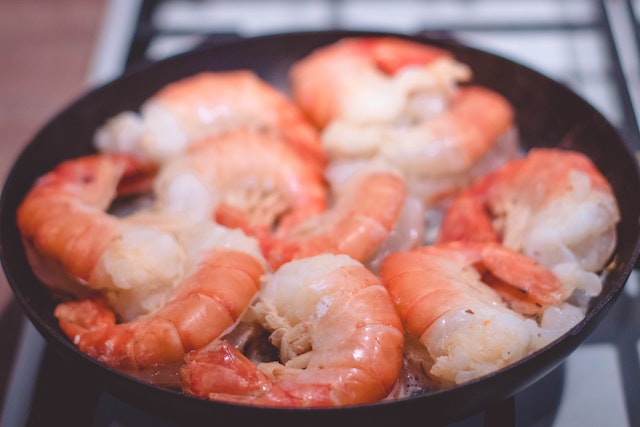
Fortunately, shrimp is a low-mercury seafood option, making it a safe choice for pregnant women. In fact, the FDA considers shrimp to be one of the “best choices” of seafood for pregnant women and breastfeeding mothers.
When it comes to shrimp tempura, the main concern is not the shrimp itself, but rather the method of preparation. Tempura is a Japanese dish that typically involves dipping seafood, vegetables, or other foods in a light batter and then deep-frying them in hot oil. While shrimp tempura can be a tasty and satisfying dish, it is important to keep in mind that deep-frying can add extra calories and unhealthy fats to the meal.
Additionally, some shrimp tempura recipes may contain ingredients that are not safe for pregnant women to consume. For example, some recipes call for the use of alcohol, which should be avoided during pregnancy. Other recipes may include raw or undercooked ingredients, such as eggs or seafood, which can increase the risk of foodborne illness.
To ensure that shrimp tempura is safe and healthy for pregnant women to consume, it is important to follow these guidelines:
- Choose high-quality shrimp: When purchasing shrimp for shrimp tempura, make sure to choose high-quality, fresh or frozen shrimp from a reputable source. Avoid shrimp that has a strong, fishy odor or appears slimy or discolored.
- Cook the shrimp properly: Shrimp should be cooked to an internal temperature of 145 degrees Fahrenheit to ensure that it is safe to eat. This can be achieved by cooking the shrimp in hot oil for 2 to 3 minutes, until the batter is golden brown and the shrimp is cooked through.
- Use a healthy batter: To make a healthier version of shrimp tempura, try using a whole-grain or gluten-free batter instead of traditional white flour. You can also add extra flavor and nutrition to the batter by incorporating herbs, spices, or finely chopped vegetables.
- Avoid alcohol: If you are making shrimp tempura at home, be sure to avoid using alcohol in the batter or as a dipping sauce. Instead, try using non-alcoholic substitutes such as vinegar or citrus juice.
- Choose a reputable restaurant: If you are eating out and want to order shrimp tempura, make sure to choose a reputable restaurant that follows proper food safety practices. Ask the server about the ingredients and cooking methods used in the dish, and make sure that the shrimp is cooked through and not raw or undercooked.
In conclusion, pregnant women can safely eat shrimp tempura as long as it is cooked properly and prepared using safe ingredients. It is important to choose high-quality shrimp, cook it to the appropriate temperature, and use a healthy batter that does not contain alcohol or other unsafe ingredients. By following these guidelines, pregnant women can enjoy a delicious and nutritious meal that is safe for both themselves and their developing baby.