Yes, you can have bacon while pregnant, but with some precautions. Bacon is a type of processed meat that is made by curing and smoking pork. It is high in protein, iron, and other important nutrients, but it is also high in sodium and fat. While consuming bacon during pregnancy is generally safe, there are some things you should consider to ensure the health of both you and your baby.
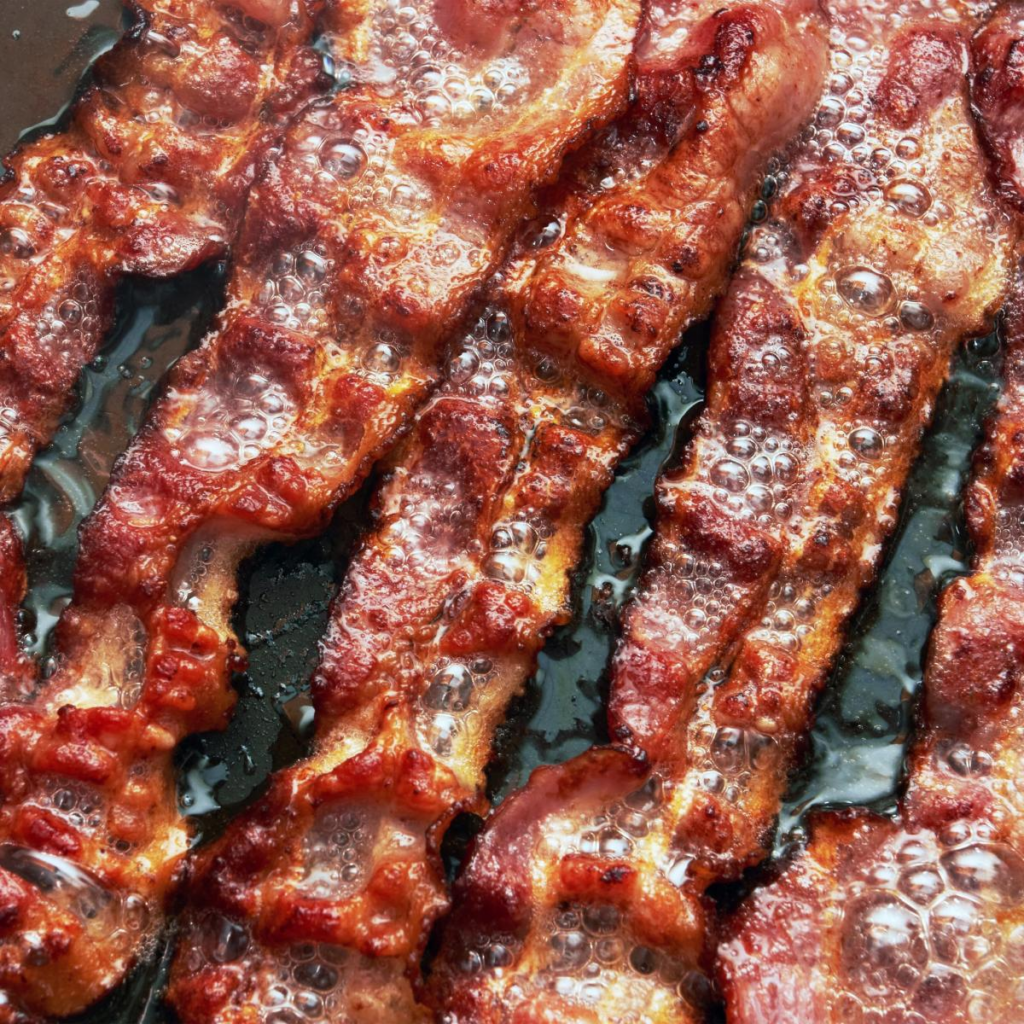
Firstly, you should limit your intake of bacon and other processed meats during pregnancy. The American College of Obstetricians and Gynecologists recommends that pregnant women consume no more than 12 ounces of fish and shellfish per week and avoid eating raw or undercooked meat, poultry, and fish. This recommendation includes processed meats like bacon, ham, and hot dogs, which have been linked to an increased risk of certain cancers, as well as premature delivery and low birth weight.
One of the main concerns with consuming processed meats during pregnancy is their high sodium content. Excessive sodium intake can increase blood pressure and lead to edema (swelling due to fluid retention) and other complications. Consuming too much sodium during pregnancy can also increase the risk of developing gestational hypertension and preeclampsia, both of which can be dangerous for both the mother and the baby.
Another concern with consuming bacon during pregnancy is the risk of listeria infection. Listeria is a type of bacteria that can cause serious illness in pregnant women and their unborn babies. It is commonly found in deli meats, including bacon, that have been stored at improper temperatures or not properly cooked. To minimize the risk of listeria infection, it is important to cook bacon thoroughly to an internal temperature of 165 degrees Fahrenheit (74 degrees Celsius) and to store it properly in the refrigerator or freezer.
When choosing bacon, it is best to opt for nitrate-free varieties. Nitrates are a type of preservative that is commonly used in processed meats, including bacon. While nitrates themselves are not harmful, they can form nitrosamines, which are carcinogenic compounds, when they are heated at high temperatures. Nitrate-free bacon is less likely to contain these harmful compounds and is a healthier option for both you and your baby.
It is also important to choose high-quality bacon from a reputable source. Look for bacon that is made from pork that has been raised without antibiotics and hormones and has been fed a healthy diet. This type of bacon is less likely to contain harmful additives and is a healthier option overall.
Finally, it is important to consider your overall diet and lifestyle during pregnancy. While bacon can be part of a healthy, balanced diet, it should not be consumed in excess. Instead, focus on consuming a variety of nutrient-dense foods, including lean proteins, fruits and vegetables, whole grains, and healthy fats. Additionally, make sure to stay hydrated, get plenty of rest, and exercise regularly to ensure the health of both you and your baby.
In conclusion, while consuming bacon during pregnancy is generally safe, it is important to limit your intake and take precautions to ensure the health of both you and your baby. Opt for nitrate-free varieties, choose high-quality bacon from a reputable source, and make sure to cook it thoroughly and store it properly. Additionally, focus on consuming a variety of nutrient-dense foods and living a healthy lifestyle to ensure a healthy pregnancy and a healthy baby.