Thyroid disorders are known to affect various aspects of health, including the respiratory system. Although the primary role of the thyroid gland is to regulate metabolism and energy production, it can indirectly impact the respiratory system, potentially leading to symptoms such as phlegm and cough. In this response, we will explore how thyroid disorders can cause phlegm and cough, the possible underlying mechanisms, and potential treatment options.
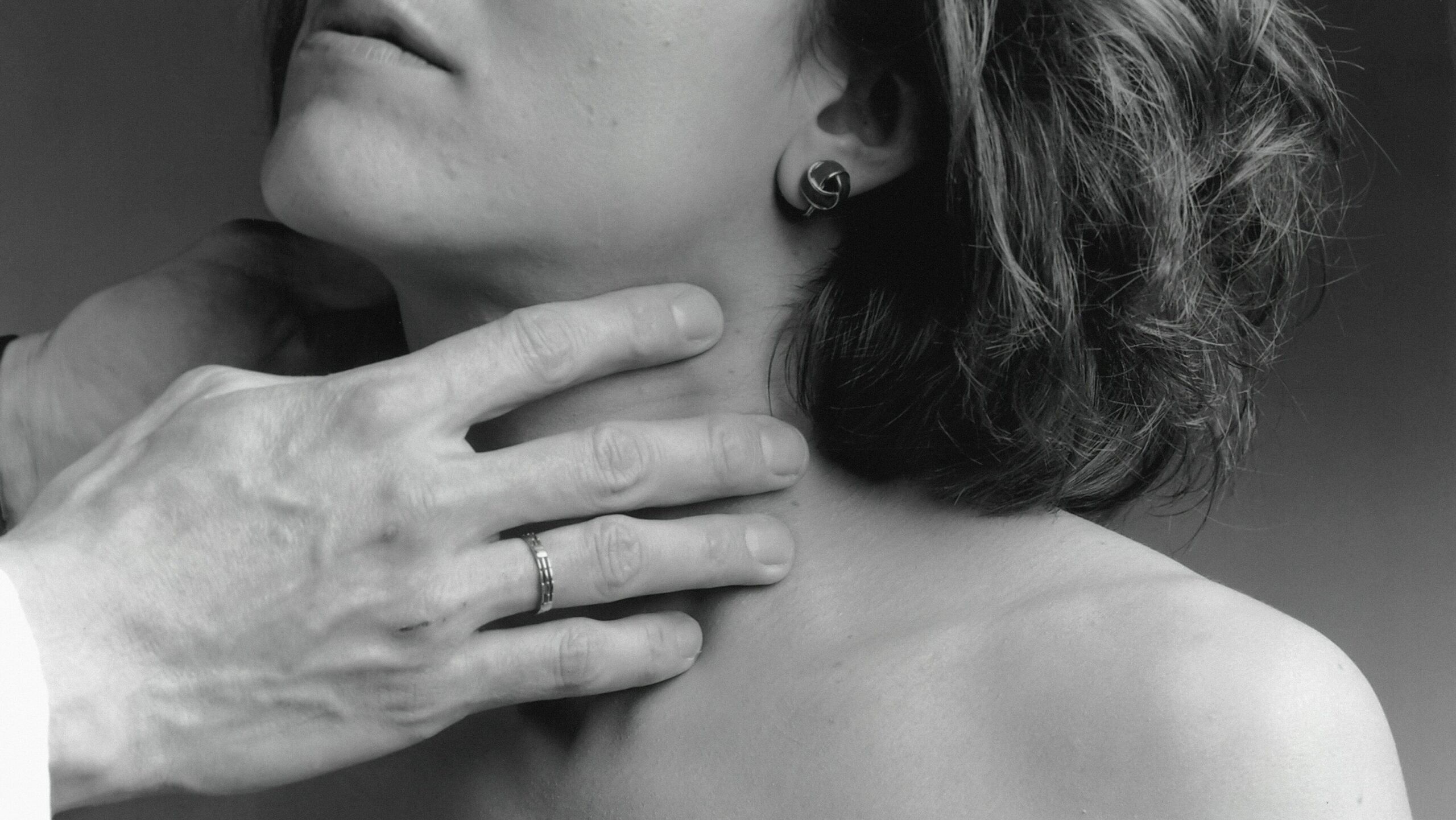
Thyroid Disorders:
The thyroid gland, located in the neck, produces hormones that help regulate metabolism, energy production, and many other bodily functions. When the thyroid gland produces too much or too little thyroid hormones, it can result in thyroid disorders, including hyperthyroidism (overactive thyroid) or hypothyroidism (underactive thyroid).
Hyperthyroidism:
Hyperthyroidism occurs when the thyroid gland produces excessive thyroid hormones. The increased levels of thyroid hormones can accelerate metabolism and cause a range of symptoms, including increased heart rate, weight loss, anxiety, irritability, and sweating. In some cases, hyperthyroidism can also affect the respiratory system, leading to symptoms such as shortness of breath, difficulty breathing, and coughing.
One possible mechanism for the respiratory symptoms in hyperthyroidism is an increased sensitivity of the airway muscles to stimuli, leading to bronchospasm and constriction of the airways. This can result in difficulty breathing and coughing, as the airway muscles become more reactive and sensitive.
Hypothyroidism:
Hypothyroidism occurs when the thyroid gland does not produce enough thyroid hormones. The decreased levels of thyroid hormones can slow down metabolism and cause symptoms such as fatigue, weight gain, cold intolerance, and depression. Hypothyroidism can also impact the respiratory system and lead to symptoms such as phlegm and cough.
One possible mechanism for the respiratory symptoms in hypothyroidism is a decrease in ciliary function. The respiratory tract is lined with tiny hair-like structures called cilia that help move mucus and trapped particles out of the airways. In hypothyroidism, the function of the cilia may be impaired, leading to a buildup of mucus in the airways and causing coughing and increased phlegm production.
Treatment Options:
The treatment of thyroid disorders, including hyperthyroidism and hypothyroidism, typically involves addressing the underlying hormonal imbalance through medication or other interventions. Once the thyroid hormone levels are brought back to normal, the respiratory symptoms may improve. However, it’s important to note that the treatment approach will depend on the specific type and severity of the thyroid disorder, and should be determined by a qualified healthcare professional.
In addition to addressing the underlying hormonal imbalance, other management strategies may be employed to alleviate respiratory symptoms associated with thyroid disorders. These may include:
- Medications: In cases where bronchospasm or airway constriction is a significant issue, bronchodilator medications may be prescribed to relax the airway muscles and improve breathing.
- Mucolytics: Mucolytic medications may be prescribed to help thin the mucus in the airways, making it easier to clear and reducing cough and phlegm production.
- Hydration: Staying well-hydrated can help thin mucus and make it easier to clear from the airways, reducing cough and phlegm production.
- Airway Clearance Techniques: Techniques such as chest physiotherapy or airway clearance devices may be recommended to help mobilize and clear mucus from the airways, reducing respiratory symptoms.
- Managing Underlying Conditions: If respiratory symptoms are related to other underlying conditions, such as allergies or asthma, appropriate management of these conditions may also help alleviate the symptoms.