The ability to shoot down nuclear missiles is a topic of great interest and concern for many people around the world. The United States is one of several nations that has invested heavily in missile defense systems, in order to protect itself and its allies from potential threats posed by ballistic missiles armed with nuclear warheads. While it is true that the United States has developed some limited capability to shoot down nuclear missiles, the question of whether or not this capability is effective in practice is a subject of ongoing debate.
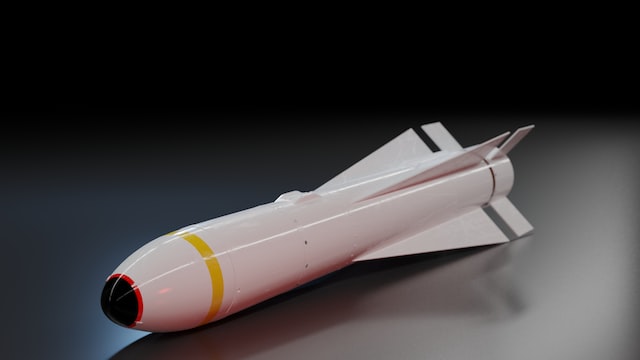
The United States has a long history of investing in missile defense systems. The earliest efforts date back to the 1950s when the U.S. Army began developing the Nike missile system to intercept Soviet bombers. Since then, the U.S. has continued to invest in missile defense, with the goal of protecting the country and its allies from the threat of nuclear attack.
Today, the United States maintains several different missile defense systems, each with its own strengths and weaknesses. One of the most widely known is the Ground-based Midcourse Defense (GMD) system, which is designed to intercept ballistic missiles in the middle of their flight path. The GMD system uses a network of sensors, radars, and interceptors to detect and destroy incoming missiles before they reach their target.
However, the effectiveness of the GMD system and other missile defense systems is a subject of much debate. Critics argue that these systems are not capable of reliably intercepting incoming missiles, and that they are simply too expensive to be effective. Proponents, on the other hand, argue that missile defense is an essential component of national security, and that continued investment in these systems is necessary to deter potential adversaries from launching nuclear attacks.
In order to understand the effectiveness of missile defense systems, it is important to consider the challenges involved in intercepting nuclear missiles. Ballistic missiles travel at incredibly high speeds, making them difficult to track and intercept. Additionally, many modern missiles are designed with advanced countermeasures, such as decoys, that are intended to confuse missile defense systems and make them less effective.
Despite these challenges, the United States has had some success in intercepting ballistic missiles in tests. For example, in 2017 the U.S. successfully intercepted an intercontinental ballistic missile (ICBM) in a test of the GMD system. While this was an impressive feat, it is important to note that the test was highly scripted and did not necessarily reflect the challenges that would be present in a real-world scenario.
Another factor to consider when evaluating the effectiveness of missile defense systems is the issue of cost. Developing and maintaining these systems is incredibly expensive, and some experts argue that the money would be better spent on other areas of national defense. Additionally, missile defense systems can create a false sense of security, which could lead to complacency and a lack of preparedness in the event of a nuclear attack.
In conclusion, the question of whether or not the United States can shoot down nuclear missiles is a complex one. While the U.S. has invested heavily in missile defense systems, the effectiveness of these systems is a subject of ongoing debate. While the U.S. has had some success in intercepting ballistic missiles in tests, it is important to recognize the challenges involved in intercepting nuclear missiles in the real world. Additionally, the cost of developing and maintaining missile defense systems is significant, and it is important to consider whether these funds could be better spent elsewhere. Ultimately, the decision of whether or not to invest in missile defense is one that requires careful consideration of the risks and benefits involved.