The short answer is that there is no set maximum height limit for fighter pilots, but being too tall can pose certain challenges that may limit one’s ability to become a fighter pilot. In this article, we will explore the various factors that can impact a pilot’s height requirements and the challenges that taller pilots may face.
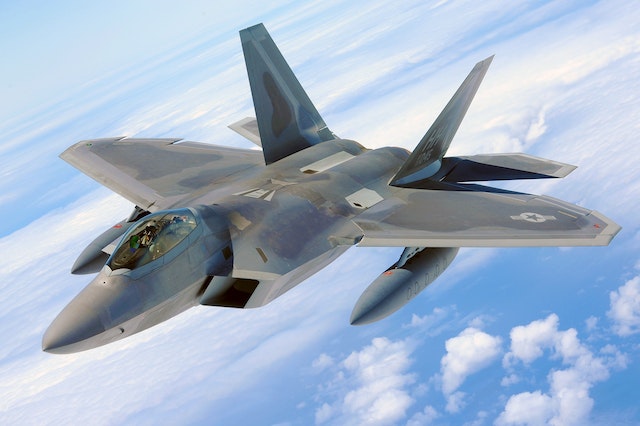
Firstly, let’s consider the physical requirements of becoming a fighter pilot. The United States Air Force, for example, has certain minimum height requirements for pilots. These requirements are based on the dimensions of the cockpit and the safety equipment, such as ejection seats, that are used in fighter aircraft.
According to the Air Force, the minimum height for pilots is 5 feet 4 inches (162.6 cm) and the maximum height is 6 feet 5 inches (195.6 cm). However, these limits are not set in stone and exceptions can be made on a case-by-case basis. For example, if a pilot is exceptionally talented and has the necessary skills and qualifications, the Air Force may make exceptions to the height requirements.
One of the main challenges that taller pilots may face is fitting comfortably in the cockpit. Cockpits are designed to be compact and efficient, with limited space for the pilot and any equipment they need to use. This can make it difficult for taller pilots to find a comfortable and safe position in the cockpit.
In addition, the use of ejection seats can also be problematic for taller pilots. Ejection seats are designed to propel the pilot out of the cockpit in case of an emergency. However, the ejection process can be hazardous for taller pilots, as their longer legs may be more prone to injury during the ejection process.
Another issue that can arise for taller pilots is the increased risk of fatigue during long flights. Sitting in a cramped position for long periods of time can be uncomfortable for anyone, but taller pilots may be more prone to developing muscle strain and other forms of physical discomfort.
However, it is important to note that being taller does not necessarily disqualify someone from becoming a fighter pilot. As previously mentioned, the Air Force and other military branches may make exceptions to the height requirements if the pilot has exceptional skills and qualifications.
Furthermore, advancements in technology and aircraft design have made it possible to accommodate taller pilots more effectively. Modern fighter jets often feature adjustable seats and pedals, which can be adapted to fit pilots of different heights. In addition, the development of more advanced ejection seats and safety equipment has helped to minimize the risks associated with ejection for taller pilots.
In conclusion, while there is no set maximum height limit for fighter pilots, being too tall can pose certain challenges that may limit one’s ability to become a fighter pilot. The physical requirements of the job, such as the dimensions of the cockpit and the use of ejection seats, can make it difficult for taller pilots to find a comfortable and safe position in the cockpit. However, being taller does not necessarily disqualify someone from becoming a fighter pilot, as exceptions can be made based on the pilot’s skills and qualifications. As technology and aircraft design continue to evolve, it is likely that accommodations for taller pilots will become more common, making it possible for more individuals to pursue careers as fighter pilots regardless of their height.