The answer to whether or not a gun can be fired underwater is a bit complicated. While it is technically possible to fire a gun underwater, there are several factors that can affect the weapon’s performance and accuracy.
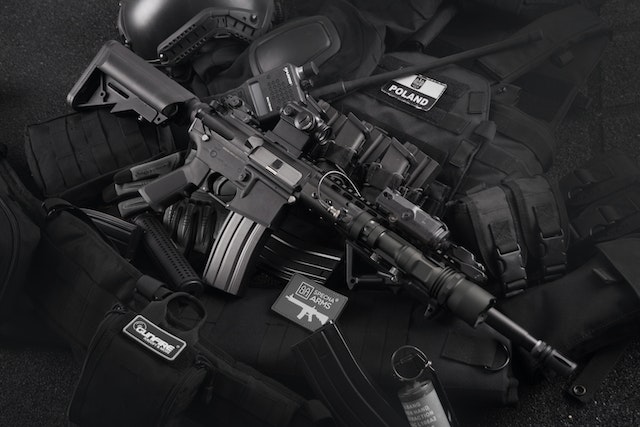
Firstly, when a gun is fired underwater, the water surrounding the barrel creates a resistance against the bullet as it leaves the chamber. This resistance can cause the bullet to slow down, lose velocity, and potentially even become deformed or fragmented. The water also creates drag and turbulence, which can further impede the bullet’s trajectory and reduce its accuracy.
Additionally, the pressure of the water can also affect the gun’s operation. When a gun is fired underwater, the water creates an enormous amount of pressure that can damage the weapon’s barrel and other components. This pressure can also cause the gun to malfunction, such as a failure to eject a spent casing or properly cycle the next round.
The ability to fire a gun underwater also depends on the type of gun and ammunition being used. Some guns are specifically designed to be fired underwater, such as the Russian APS underwater assault rifle, which uses specially designed bullets with a pointed nose to help overcome water resistance. Other guns, such as handguns and rifles, are not designed to be fired underwater and may not function properly or safely.
It’s important to note that firing a gun underwater can also pose a serious risk to the shooter and anyone in the surrounding area. The water can distort the sound waves of the gun, making it difficult to determine the direction and distance of the shots fired. Additionally, the pressure of the water can cause a bullet to travel much farther than it would on land, potentially putting innocent bystanders in danger.
Despite these challenges, there are situations where firing a gun underwater may be necessary, such as in underwater combat or in certain types of hunting. If you do choose to fire a gun underwater, there are some precautions you can take to minimize the risks and ensure the best possible performance.
One option is to use a gun designed specifically for underwater use, such as the aforementioned APS underwater assault rifle. These guns are specifically designed to operate effectively and accurately underwater, and are typically outfitted with specialized ammunition and other features to help overcome water resistance and maintain accuracy.
Another option is to use a gun with a longer barrel length. Longer barrels can help to reduce the impact of water resistance on the bullet, improving accuracy and reducing the risk of deformation or fragmentation.
It’s also important to be aware of the risks associated with firing a gun underwater, and to take steps to minimize these risks. This may include wearing protective gear, such as a wetsuit or diving mask, to help reduce the impact of water pressure on the shooter’s body. It’s also essential to take care to avoid accidentally shooting anyone in the surrounding area, and to be aware of the potential for bullets to travel much farther underwater than they would on land.
In conclusion, while it is technically possible to fire a gun underwater, there are many factors that can affect its performance and accuracy. Firing a gun underwater can also pose serious risks to the shooter and others in the surrounding area. If you do choose to fire a gun underwater, it’s important to take precautions to minimize these risks, and to be aware of the challenges and limitations associated with firing a gun in this environment.