Milk is a nutritious liquid that is produced by female mammals to feed their young. Although cows are commonly used for commercial dairy production, other animals like goats, sheep, and camels can also be milked. Bulls, however, cannot be milked due to their lack of mammary glands, which produce milk. Only female mammals have mammary glands, which are activated by pregnancy hormones like estrogen and progesterone. Milk is then transported to the nipples or teats for nursing.
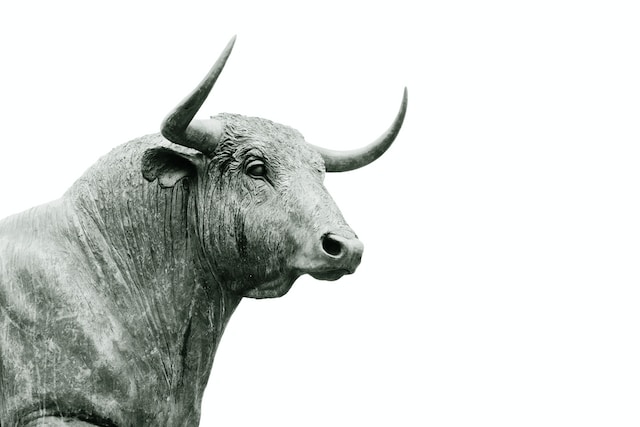
Male mammals like bulls do not have mammary glands and therefore cannot produce milk. Bulls, like all male cattle, have testicles that produce semen, used for reproduction. Their udder and teats are not functional and cannot produce milk.
Despite this, certain substances like bull semen and blood are extracted from male cattle for traditional medicine and cultural practices. Bull semen has been used in some cultures to improve male fertility and as an aphrodisiac. However, collecting bull semen is typically done through artificial insemination techniques and not milking.
In certain cultures, “blood-milking” involves collecting bull blood into a container after puncturing the jugular vein. The blood is sometimes mixed with milk or consumed as a traditional medicine. This practice remains part of certain cultural traditions and beliefs.
In some cultures, there is also a practice known as “blood-milking,” which involves puncturing the jugular vein of a bull and collecting its blood into a container. The blood is then mixed with milk or consumed on its own as a traditional medicine. While this practice may be seen as controversial or even cruel in some parts of the world, it remains part of certain cultural traditions and beliefs.
In conclusion, bulls cannot be milked because they lack mammary glands and functional udders. Although substances like bull semen and blood can be extracted from male cattle for certain purposes, the act of milking is impossible. Only female mammals with functional mammary glands like cows, goats, and sheep are used for commercial dairy production.