When it comes to electrical wiring, it is important to follow established guidelines and standards to ensure that the wiring is safe, reliable, and compliant with local building codes. One common question that arises is whether it is possible to mix and match different sizes of electrical wire, such as 12-2 and 14-2 wires, for different components of a circuit.
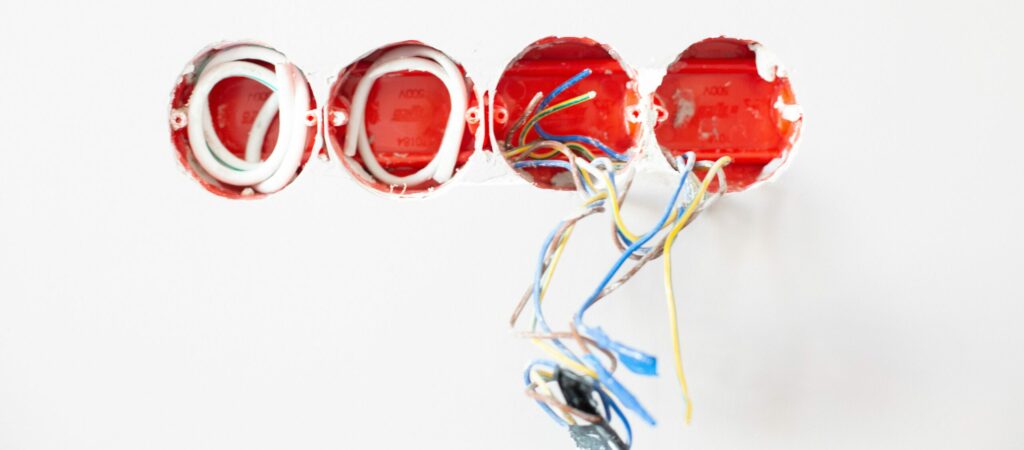
To answer this question, it is important to first understand what the numbers on the wire mean. The first number, such as “12” or “14,” refers to the wire gauge or size, which is a measure of the diameter of the wire. The second number, such as “2,” refers to the number of insulated conductors or wires within the cable. So, a 12-2 cable has two conductors with a diameter of 12-gauge wire, while a 14-2 cable has two conductors with a diameter of 14-gauge wire.
The gauge of the wire is important because it determines the amount of current that the wire can safely carry without overheating or causing a fire. In general, thicker wire (with a lower gauge number) can carry more current than thinner wire (with a higher gauge number). So, if you use wire that is too thin for the amount of current being carried, it can overheat and cause a fire.
With this in mind, it is generally not recommended to mix and match different wire gauges within a single circuit. This is because different wire gauges have different ampacity ratings, which is the maximum amount of current that they can safely carry. For example, a 12-gauge wire can typically carry up to 20 amps, while a 14-gauge wire can typically carry up to 15 amps. If you were to mix and match these wires within a single circuit, it could lead to problems with overloading and overheating.
That being said, there are some situations where it may be permissible to mix wire gauges within a single circuit, as long as certain conditions are met. For example, some local building codes may allow for the use of a larger wire gauge for a short distance near an appliance or light fixture, in order to compensate for the voltage drop that can occur over long distances. However, it is important to consult with a licensed electrician or building inspector to determine the specific requirements in your area.
In summary, while it may be tempting to mix and match different sizes of electrical wire to save time or money, it is generally not recommended. Instead, it is important to use the appropriate wire gauge for the specific component of the circuit, and to follow established guidelines and building codes to ensure that the wiring is safe, reliable, and compliant with local regulations. If you have any questions or concerns about electrical wiring, it is always best to consult with a licensed electrician or building inspector.