Salt, or sodium chloride (NaCl), is a common compound used in cooking and food preservation. It is generally considered safe for consumption and has many household uses. Bleach, on the other hand, is a powerful disinfectant and cleaning agent that contains sodium hypochlorite (NaClO) as its active ingredient. Bleach is toxic and can cause skin and eye irritation, respiratory issues, and other health problems if not used properly.
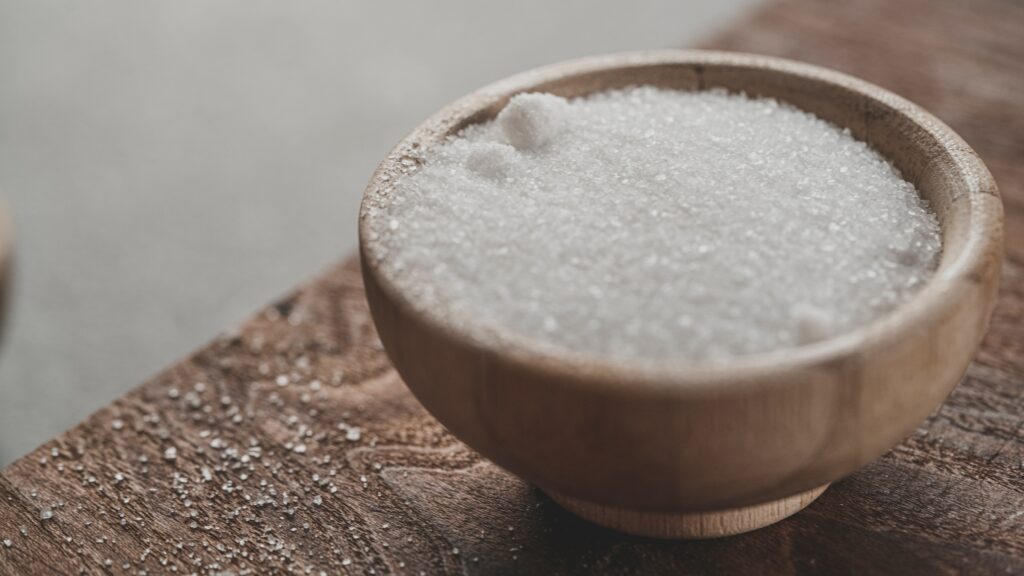
Mixing salt and bleach can result in the production of chlorine gas (Cl2), a highly toxic and irritating gas. When bleach comes into contact with an acid, such as the hydrochloric acid (HCl) in salt, it can release chlorine gas. Chlorine gas is a strong respiratory irritant and can cause symptoms such as coughing, chest pain, and difficulty breathing. In high concentrations, chlorine gas can be fatal.
Furthermore, chlorine gas can react with other substances in the environment, such as ammonia (NH3), which is commonly found in household cleaners, urine, and animal waste, to form chloramine gas (NH2Cl). Chloramine gas is also toxic and can cause respiratory issues, eye irritation, and skin burns.
In addition to the production of toxic gases, mixing salt and bleach can also result in the formation of other potentially harmful compounds. For example, when bleach reacts with organic matter, such as sweat, urine, or other bodily fluids that may be present in a bath, it can produce disinfection byproducts (DBPs) such as trihalomethanes (THMs) and haloacetic acids (HAAs). These DBPs are known to be carcinogenic and can have adverse effects on human health, especially with prolonged exposure.
It is important to note that bleach should never be mixed with any other household chemicals or substances, including salt, as it can result in hazardous reactions. Bleach should always be used according to the manufacturer’s instructions and in a well-ventilated area to avoid inhalation of fumes. Protective gloves, goggles, and adequate ventilation should be used when handling bleach to minimize the risk of exposure.
If you are looking to use salt for a bath, it is best to dissolve it in water separately without adding bleach or any other chemicals. Salt baths are commonly used for relaxation and to soothe muscle soreness, but it is important to follow appropriate guidelines for salt concentrations and duration of exposure. If you are using salt for therapeutic purposes, it is best to consult with a healthcare professional or a qualified practitioner for proper guidance.
In conclusion, mixing salt and bleach for a bath is not recommended and can result in the production of toxic gases and potentially harmful compounds. Bleach is a powerful disinfectant that should be used with caution and according to the manufacturer’s instructions. If you are looking to use salt for a bath, it should be dissolved in water separately without adding any other chemicals. The safety and well-being of yourself and others should always be a top priority, and proper handling and use of chemicals are essential to prevent potential hazards. If you have questions or concerns about the use of chemicals or their potential risks, it is best to consult with a healthcare professional or a qualified expert.