Distilled water and its potential effects on electronics. However, it is important to note that pouring any liquid, including distilled water, on electronics is generally not recommended and can be risky. Electronics are sensitive to moisture and can be damaged by exposure to water or other liquids. Therefore, it is crucial to exercise caution and follow appropriate procedures when dealing with electronics and liquids.
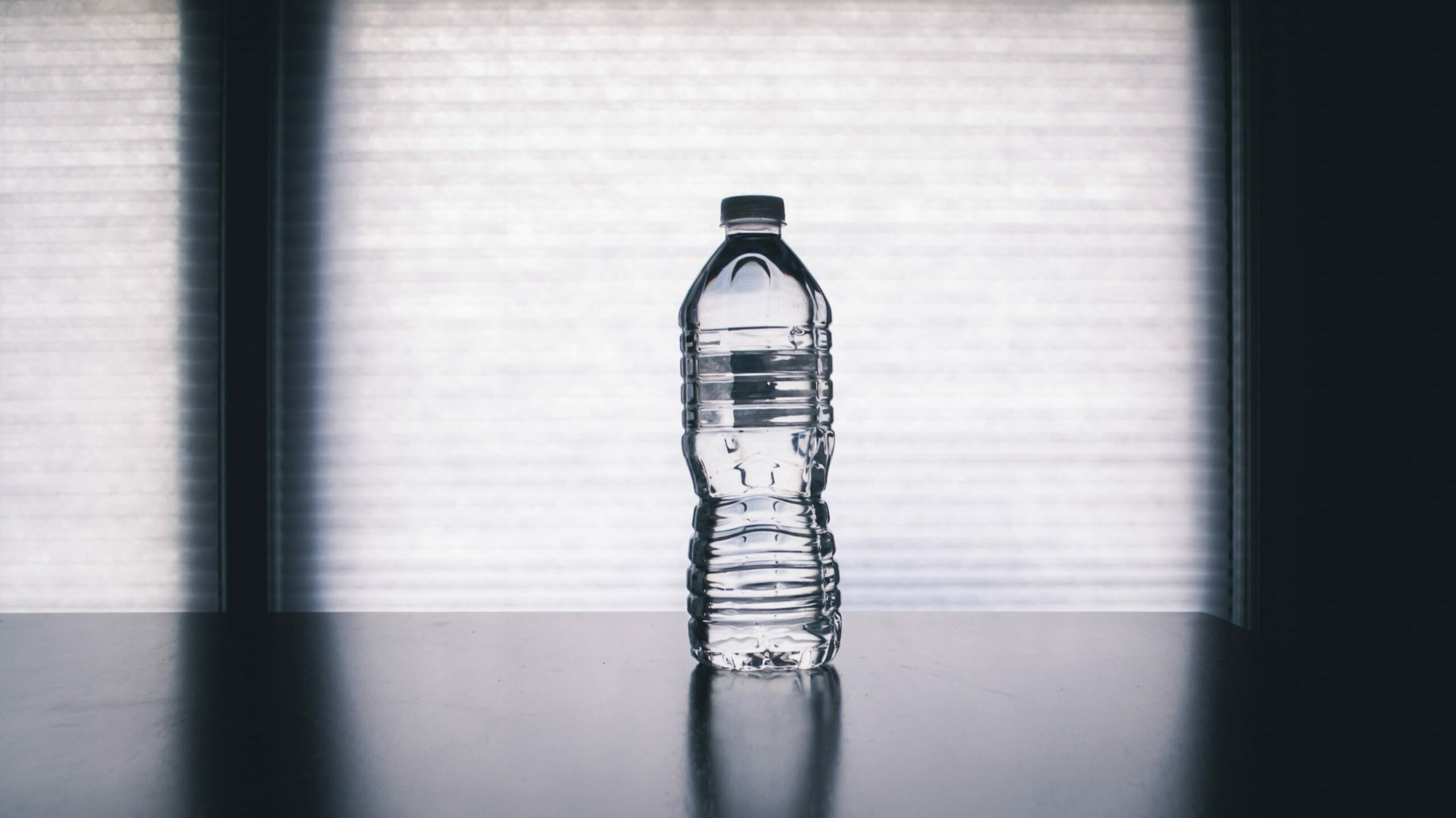
Distilled water is water that has been purified through a process of distillation, which involves boiling water to separate it from impurities and then condensing the steam back into liquid form. Distilled water is free from minerals, ions, and other contaminants that may be present in tap water or other types of water. It is often used in laboratories, medical applications, and other specialized industries where purity is critical.
Distilled water is considered to be a poor conductor of electricity because it lacks dissolved ions that can facilitate electrical flow. This is because distilled water does not contain the salts, minerals, and impurities that are commonly found in tap water or other types of water. As a result, distilled water has a low electrical conductivity, which means it does not conduct electricity as effectively as other liquids that contain ions. However, it is important to note that even distilled water can become conductive when it comes into contact with contaminants or impurities, such as dust, dirt, or salts from the environment or from the electronics themselves.
When it comes to electronics, moisture is generally considered harmful. Water or any other liquid can cause short-circuits in electronic devices by bridging the gaps between electrical components or conductors, which can lead to malfunction or damage. When water comes into contact with electronic components or circuitry, it can cause corrosion, oxidation, and other chemical reactions that can degrade the performance and lifespan of the electronics.
Moreover, water can also cause damage to electronic devices by interfering with their internal electronics and creating a path for electrical currents to flow where they are not supposed to, potentially damaging delicate circuitry. Water can also cause electrical components to heat up or short-circuit, leading to irreversible damage.
It is also important to note that even if distilled water is relatively pure, it can still contain small amounts of dissolved gases, such as oxygen and carbon dioxide, which can react with the electronics and cause damage. Additionally, if the distilled water comes into contact with other substances, such as dust or debris on the surface of the electronics, it can become contaminated and conductive, posing a risk to the electronics.
In some cases, electronics may be designed with protective measures, such as conformal coatings or water-resistant casings, to prevent or minimize damage from exposure to moisture. However, these protective measures are not foolproof and are often limited in their effectiveness. Therefore, it is still not recommended to intentionally pour distilled water or any other liquid on electronics, even if they are advertised as water-resistant or have protective coatings.
If electronics do come into contact with distilled water or any other liquid, it is important to take immediate action to minimize the potential damage. The electronics should be powered off, and the liquid should be carefully and thoroughly dried using absorbent materials, such as towels or paper towels. It is important to avoid using heat sources, such as hair dryers or ovens, to dry the electronics, as this can cause further damage. After drying, it is advisable to allow the electronics to sit in a dry and well-ventilated area for several hours or even days to ensure that all moisture has evaporated before attempting to power them on again.
In conclusion, while distilled water has a low electrical conductivity and is relatively pure, pouring it or any other liquid on electronics is generally not recommended. Electronics are sensitive to moisture and can be damaged by exposure to water or other liquids.