A gastrointestinal (GI) bleed is a medical emergency that requires immediate attention. It can occur anywhere in the digestive tract, from the esophagus to the rectum. One possible symptom of a GI bleed is a particular smell that some people describe as smelling like iron, blood, or metallic. In this article, we will explore whether it is possible to smell a GI bleed and what other symptoms to look for.
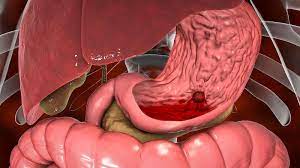
Firstly, it is important to note that not everyone can smell a GI bleed. Some people are more sensitive to the smell of blood or iron, while others may not detect it at all. Additionally, the odor associated with a GI bleed may be subtle, and other factors such as poor oral hygiene, medication use, or smoking can mask the smell.
The smell associated with a GI bleed is caused by the presence of blood in the digestive tract. When blood comes into contact with stomach acid and digestive enzymes, it can produce a distinctive odor. However, it is important to note that other conditions, such as periodontal disease, sinus infections, or nasal polyps, can also cause a metallic or blood-like odor in the breath.
In addition to a possible smell, other symptoms of a GI bleed may include:
- Abdominal pain or cramping: This can occur anywhere from the stomach to the rectum and may be severe or mild.
- Black or tarry stools: This is a sign of upper GI bleeding and indicates that blood has been partially digested.
- Bright red blood in the stool or on toilet paper: This is a sign of lower GI bleeding and indicates that the blood is fresher and has not been partially digested.
- Nausea or vomiting: This can occur when the blood irritates the stomach lining or when the bleeding is severe.
- Weakness or fatigue: This can occur due to anemia, a condition in which the body does not have enough red blood cells to carry oxygen to the tissues.
- Dizziness or lightheadedness: This can occur due to a drop in blood pressure, which can occur when there is significant blood loss.
- Rapid heartbeat: This can occur due to a drop in blood pressure and an increase in heart rate to compensate for the loss of blood.
It is essential to seek medical attention if you experience any of these symptoms, especially if they occur together. A GI bleed can be life-threatening if left untreated, and prompt diagnosis and treatment are critical for a good outcome.
To diagnose a GI bleed, your doctor may perform a physical exam, take a medical history, and order diagnostic tests such as:
- Blood tests: These can help determine if you have anemia, a sign of significant blood loss.
- Stool tests: These can help determine if there is blood in your stool.
- Endoscopy: This is a procedure in which a small, flexible tube with a camera on the end is inserted into the digestive tract to look for signs of bleeding.
- Colonoscopy: This is a procedure in which a long, flexible tube with a camera on the end is inserted into the rectum to look for signs of bleeding in the colon.
- Imaging tests: These can include CT scans, ultrasounds, or X-rays, which can help identify the location and severity of the bleeding.
Treatment for a GI bleed depends on the location and severity of the bleeding. Options may include:
- Medications: These can include drugs that reduce stomach acid production, such as proton pump inhibitors, or medications that help stop bleeding, such as epinephrine injections.
- Endoscopic procedures: These can include procedures such as banding or clipping, which can help stop bleeding in the digestive tract.
- Surgery: In some cases, surgery