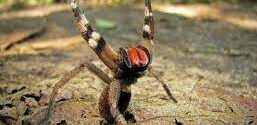
The Brazilian wandering spider, also known as the banana spider, is considered one of the most venomous spiders in the world. Its bite can cause severe pain, muscle spasms, and even death in rare cases. Therefore, it’s crucial to seek medical attention immediately if you suspect you’ve been bitten by this spider. In this article, we will explore the effects of the Brazilian wandering spider bite and the measures you can take to survive it.
Effects of a Brazilian Wandering Spider Bite:
The venom of the Brazilian wandering spider contains a potent neurotoxin called PhTx3 that affects the nervous system of the victim. The symptoms of a bite can vary depending on the amount of venom injected, but they usually include:
Intense pain: The bite can cause severe pain that can last for several hours.
Muscle spasms: The venom can cause involuntary muscle contractions that can be painful and debilitating.
Nausea and vomiting: Some people may experience nausea and vomiting after being bitten by a Brazilian wandering spider.
Elevated blood pressure: The venom can cause an increase in blood pressure, which can be dangerous for people with pre-existing hypertension.
Respiratory distress: In severe cases, the venom can cause respiratory distress, which can lead to suffocation if not treated promptly.
Priapism: In men, the venom can cause prolonged erections (priapism), which can be painful and potentially permanent if left untreated.
Survival Measures:
If you’ve been bitten by a Brazilian wandering spider, it’s essential to seek medical attention immediately. The following measures can also help increase your chances of survival:
Keep calm: Panicking can increase your heart rate and blood pressure, which can cause the venom to spread more quickly throughout your body. Therefore, it’s crucial to stay calm and avoid any sudden movements.
Apply a cold compress: Applying a cold compress to the bite site can help reduce swelling and pain. However, avoid applying ice directly to the skin, as this can cause tissue damage.
Immobilize the affected limb: If the bite is on a limb, immobilize it as much as possible to prevent the venom from spreading.
Seek medical attention: Brazilian wandering spider bites require immediate medical attention. If possible, bring the spider with you to the hospital so that medical professionals can identify the species and administer the appropriate treatment.
Administer antivenom: Antivenom is the most effective treatment for Brazilian wandering spider bites. It works by neutralizing the venom and preventing it from causing further damage. However, antivenom is not available in all hospitals, so it’s essential to seek medical attention at a facility that has experience treating spider bites.
Monitor vital signs: If you or someone you know has been bitten by a Brazilian wandering spider, monitor their vital signs, including heart rate, blood pressure, and respiratory rate. Seek medical attention immediately if any of these signs indicate a medical emergency.
Preventive Measures:
Preventing Brazilian wandering spider bites is the best way to avoid their potentially deadly effects. Here are some measures you can take to reduce your risk of being bitten:
Wear protective clothing: When working or playing in areas where spiders are common, wear long pants, long-sleeved shirts, and closed-toe shoes to reduce your exposure to spider bites.
Shake out clothing and bedding: Before putting on clothing or getting into bed, shake them out to dislodge any spiders that may be hiding.
Check shoes and gloves: Check your shoes and gloves before putting them on, especially if you haven’t worn them in a while.
Seal cracks and crevices: Spiders can enter your home through small cracks and crevices. Seal these openings to reduce their