Ibuprofen is a nonsteroidal anti-inflammatory drug that is widely used to relieve pain, inflammation, and fever. Many people are concerned about taking ibuprofen on an empty stomach, especially if they experience stomach upset or other side effects. In this article, we will explore the factors to consider when taking ibuprofen on an empty stomach and provide recommendations for safe use.
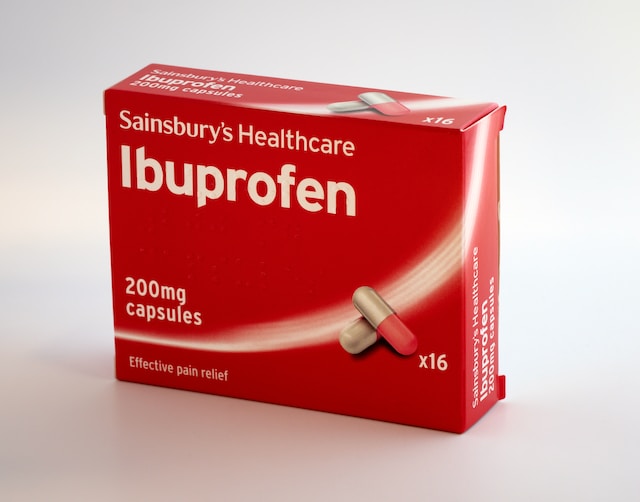
First and foremost, it is important to understand how ibuprofen works and how it affects the body. Ibuprofen inhibits the production of certain chemicals in the body that cause inflammation and pain. However, this inhibition can also affect the production of other chemicals in the body that are important for protecting the stomach lining from damage. This can increase the risk of developing stomach ulcers or other gastrointestinal problems, especially if ibuprofen is taken in high doses or for extended periods.
Taking ibuprofen on an empty stomach can increase the risk of developing these side effects, as there is less food in the stomach to help buffer the effects of the medication. Additionally, taking ibuprofen with food can slow down the absorption of the drug into the bloodstream, which can reduce the risk of side effects.
However, the decision to take ibuprofen on an empty stomach should be based on individual factors such as the severity of the pain, the dose of the medication, and any underlying medical conditions. In general, taking ibuprofen with food is recommended to reduce the risk of stomach upset and other side effects. However, if the pain is severe and immediate relief is needed, taking ibuprofen on an empty stomach may be necessary.
If you do decide to take ibuprofen on an empty stomach, there are a few things you can do to reduce the risk of side effects. First, make sure to take the medication with a full glass of water. This can help to flush the drug through the digestive system and reduce the risk of stomach irritation. Additionally, you may want to consider taking an antacid or proton pump inhibitor to help protect the stomach lining from damage.
It is also essential to follow the recommended dosages and timing for ibuprofen use. Taking too much ibuprofen can increase the risk of side effects, regardless of whether it is taken on an empty stomach or with food. Additionally, taking ibuprofen too frequently or for extended periods of time can increase the risk of developing stomach ulcers, kidney damage, or other serious health problems.
If you have a history of gastrointestinal problems or other medical conditions, you should speak with your doctor before taking ibuprofen on an empty stomach. Your doctor can help you determine the appropriate dosage and timing for ibuprofen use and may recommend alternative pain relief options if ibuprofen is not suitable for you.
In conclusion, ibuprofen is an effective pain relief medication that can cause side effects, especially when taken on an empty stomach. Taking ibuprofen with food can help reduce the risk of stomach upset and other side effects. However, if immediate pain relief is necessary, taking ibuprofen on an empty stomach may be necessary. If you choose to take ibuprofen on an empty stomach, ensure that you take it with a full glass of water and consider taking an antacid or proton pump inhibitor to protect your stomach lining. It is also crucial to follow recommended dosages and speak with your doctor if you have any underlying medical conditions.