The size of a man’s fingers, specifically the length of his index finger and ring finger, has been studied in relation to various physical and psychological traits. However, it is important to note that finger length is not a reliable indicator of a man’s overall size or physical capabilities.
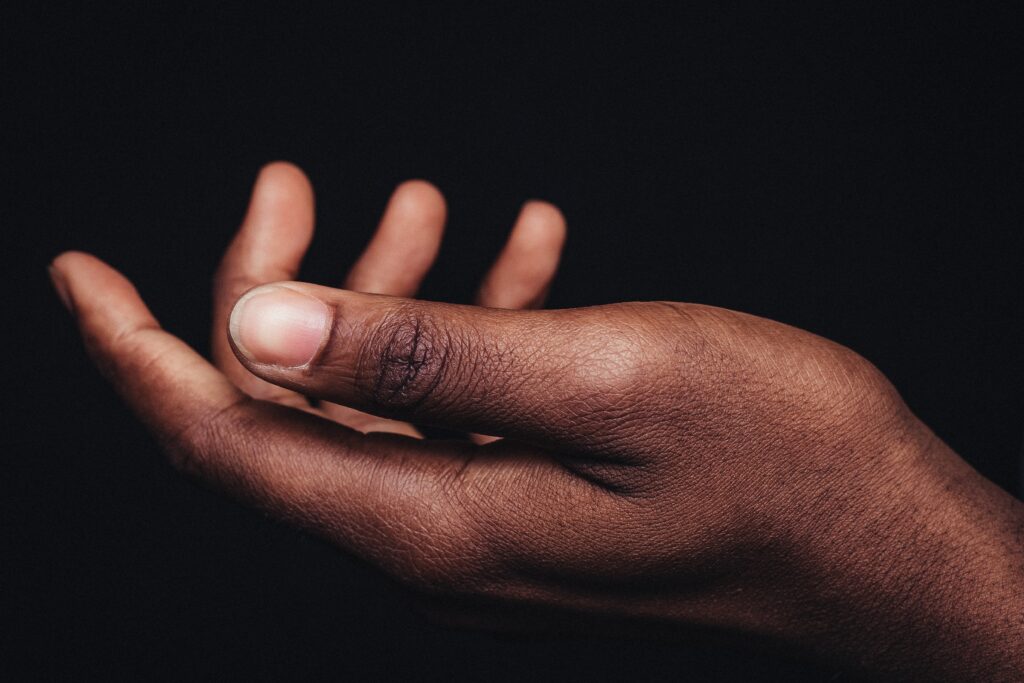
One study published in the journal Personality and Individual Differences found that men with longer ring fingers, relative to their index fingers, tended to have more symmetrical faces, higher sperm counts, and higher levels of testosterone. Another study published in the journal Nature found that finger length ratios were associated with the development of certain physical and behavioral traits in men and women, including musical ability, athletic prowess, and risk-taking behavior.
These studies suggest that finger length may be influenced by hormones, specifically prenatal exposure to testosterone, which has been linked to both physical and behavioral differences between the sexes. Testosterone exposure during fetal development is thought to influence finger length by promoting the growth of the ring finger relative to the index finger.
While these studies provide some interesting insights into the relationship between finger length and various traits, they should not be taken as definitive proof that finger length can reliably predict a man’s overall size or physical abilities. Finger length is just one factor that may influence physical and psychological traits, and it is likely that other factors, such as genetics, environment, and individual experiences, also play important roles.
It is also worth noting that finger length ratios can vary greatly within and between populations, and may be influenced by factors such as age, ethnicity, and health status. Therefore, it is not possible to make accurate predictions about a man’s size or physical capabilities based on his finger length alone.
In conclusion, while there is some evidence to suggest that finger length may be linked to certain physical and psychological traits, it is not a reliable indicator of a man’s overall size or physical capabilities. Other factors, such as genetics, environment, and individual experiences, also play important roles in determining a man’s physical and psychological traits. Therefore, it is best to avoid making assumptions about a man’s abilities or traits based on his finger length, and to focus on more objective measures of his physical and psychological capabilities.