The carnivore diet is a dietary approach that focuses exclusively on animal-based foods. This means consuming meat, fish, eggs, and certain animal-derived products while excluding all plant-based foods.
This diet is often adopted for various reasons, including weight loss, improved mental clarity, and potential health benefits. Understanding the fundamentals of the carnivore diet can help individuals make informed choices.
Understanding the Carnivore Diet
The carnivore diet is centered around consuming only animal-based foods, which includes a variety of meats, fish, and eggs. This approach eliminates all plant-based foods, focusing on high protein and fat intake.
Individuals who adopt this diet often do so for reasons such as weight management, enhanced mental clarity, and potential health benefits. Transitioning to this eating style may require adjustments to one’s regular diet and careful planning to maintain nutritional balance.
Choosing Your Meats
When following the carnivore diet, selecting the right types of meat is essential. Options include beef, pork, poultry, and fish, with an emphasis on fatty cuts for energy. Juicy steaks, crispy bacon, and fresh fish are excellent choices that provide a variety of flavors and textures.
Incorporating organ meats can also enhance the nutritional profile of meals, offering essential vitamins and minerals. This variety not only keeps meals interesting but also supports overall health.
Meal Preparation Techniques
Cooking methods play a significant role in the carnivore diet. Grilling, roasting, and pan-frying are popular techniques that help bring out the natural flavors of the meats. Avoiding plant-based oils is crucial, as the focus remains on animal fats like butter, tallow, or lard.
Experimenting with different cooking styles can lead to delightful results. For instance, a perfectly grilled steak or crispy bacon can elevate the dining experience, making it enjoyable and satisfying.
Seasoning and Enhancements
While the carnivore diet primarily focuses on meats, seasoning can enhance the flavors of the dishes. Fresh herbs and spices can be used to complement the natural taste of the meats without introducing plant-based foods.
In a rustic kitchen setting, the use of herbs like rosemary or thyme can add a delightful aroma and flavor to meats, making each meal more appealing. The right seasoning can transform a simple dish into a culinary delight.
Listening to Your Body
As with any dietary approach, it’s important to listen to your body. Pay attention to hunger cues and adjust portion sizes accordingly. The carnivore diet may lead to significant changes in appetite and energy levels.
Staying hydrated is also essential. Drinking plenty of water and considering electrolyte supplementation can help maintain balance and support overall well-being while following this diet.
Benefits of the Carnivore Diet
The carnivore diet offers several potential benefits, including weight loss and improved mental clarity. Many individuals report feeling more energized and focused after transitioning to this eating style.
Additionally, the high protein and fat content can help sustain energy levels throughout the day. As with any diet, individual experiences may vary, so it’s important to monitor how your body responds to this approach.
Understanding the Carnivore Diet
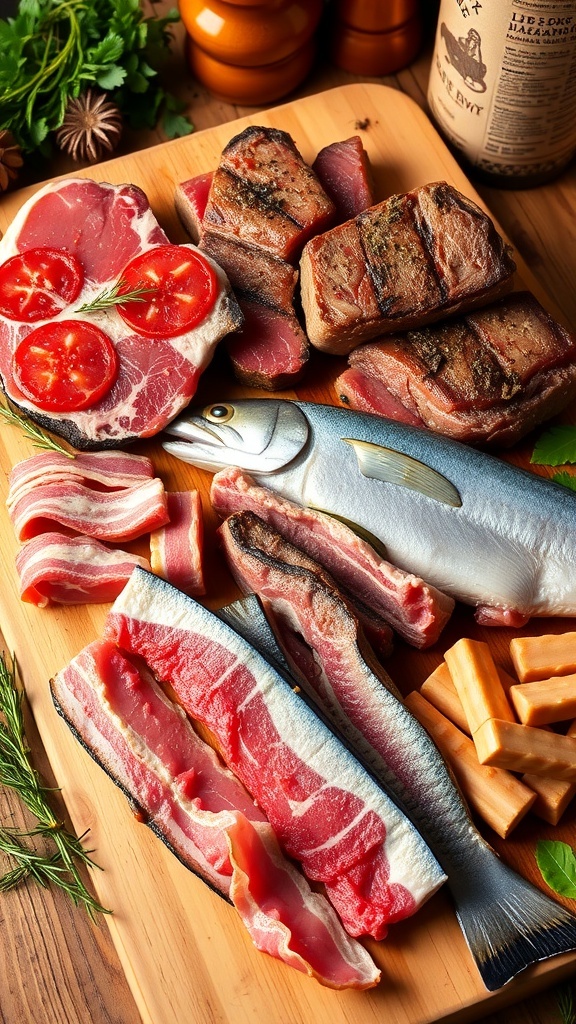
The carnivore diet emphasizes high protein and fat intake while eliminating carbohydrates. It typically includes foods like beef, pork, chicken, fish, and eggs. This approach can lead to significant changes in one’s eating habits and may require careful planning to ensure nutritional adequacy.
Ingredients
- Beef (steaks, ground beef, organ meats)
- Pork (chops, bacon, sausage)
- Poultry (chicken, turkey)
- Fish (salmon, tuna, sardines)
- Eggs (whole eggs, egg yolks)
- Animal fats (butter, tallow, lard)
Instructions
- Choose Your Protein: Select a variety of meats to include in your diet, focusing on fatty cuts for optimal energy.
- Meal Preparation: Cook meats using methods like grilling, roasting, or pan-frying. Avoid using plant-based oils or ingredients.
- Stay Hydrated: Drink plenty of water and consider adding electrolytes if needed.
- Listen to Your Body: Pay attention to hunger cues and adjust portion sizes accordingly.
Cook and Prep Times
- Prep Time: Varies based on meal preparation
- Cook Time: Varies based on cooking method
- Total Time: Ongoing dietary approach
- Servings: Individual servings based on personal intake
- Calories: Varies based on food choices
- Fat: High fat content from animal sources
- Protein: High protein content from meats
- Carbohydrates: 0g from plant sources
Related
- Carnivore Diet Overview
- Carnivore Diet Guide for Beginners
- Carnivore Diet Meal Plan
- Savory Carnivore Diet Recipes