The carnivore diet, which focuses on consuming animal products exclusively, has gained popularity among various demographics, including women over 40. This diet emphasizes protein-rich foods and eliminates carbohydrates, which some believe can lead to weight loss and improved health.
For women in this age group, the carnivore diet may offer benefits such as increased energy levels, better mental clarity, and potential weight management. However, it’s essential to approach this diet with careful planning to ensure nutritional adequacy.
Understanding the Carnivore Diet
The carnivore diet is centered around the consumption of animal products exclusively. This means that meat, fish, eggs, and certain animal-derived products form the core of daily meals, while all plant-based foods are eliminated.
For women over 40, this dietary approach can be particularly beneficial. It provides a high intake of protein, which is essential for maintaining muscle mass and overall health during this stage of life.
By focusing on nutrient-dense foods, many find that they experience increased energy levels and improved mental clarity. However, transitioning to this diet should be done thoughtfully to ensure that nutritional needs are met.
Choosing the Right Meats
When following the carnivore diet, variety is key. Including a range of meats ensures a broader spectrum of nutrients.
Beef, including steaks and ground beef, offers a rich source of iron and vitamin B12. Pork, such as chops and bacon, provides essential fats and flavors.
Poultry, particularly chicken and turkey, is leaner and can be a great addition for those looking to manage fat intake. Fish, like salmon and tuna, not only adds variety but also brings in healthy omega-3 fatty acids, which are beneficial for heart health.
Incorporating Animal Products
In addition to meats, incorporating other animal products can enhance the carnivore diet. Eggs are a versatile option, packed with protein and healthy fats.
Animal fats such as butter, ghee, and tallow can be used for cooking and add flavor to meals. Bone broth is another excellent addition, providing hydration and nutrients that support joint health.
These products not only contribute to the diet’s nutritional profile but also help in creating satisfying meals that can be enjoyed daily.
Transitioning to the Carnivore Diet
Starting gradually is crucial when adopting the carnivore diet. Reducing carbohydrate intake slowly while increasing animal products can help the body adjust.
This transition phase may involve some discomfort as the body adapts to a new way of eating. Staying hydrated is important, and electrolyte supplementation can be beneficial during this period.
Listening to your body and monitoring how you feel can guide your journey on this diet. Consulting with a healthcare professional is advisable to ensure that your nutritional needs are being met.
Monitoring Health and Well-being
As with any dietary change, keeping track of your health is essential. Regularly assessing how your body responds to the carnivore diet can help identify any adjustments needed.
Women over 40 may experience unique challenges, so being mindful of energy levels, mood, and overall well-being is key.
Engaging with a community or seeking support from professionals can provide additional insights and encouragement throughout the process.
Embracing Simplicity in Cooking
The carnivore diet emphasizes simplicity in meal preparation. With a focus on high-quality meats and animal products, cooking can be straightforward and efficient.
A wooden cutting board filled with various meats, set against a rustic kitchen backdrop, reflects this simplicity. Cooking utensils and fresh herbs can enhance the experience, even if herbs are not part of the diet.
This approach not only makes meal prep easier but also encourages a deeper connection with the food being consumed, celebrating the natural flavors of animal products.
Understanding the Carnivore Diet
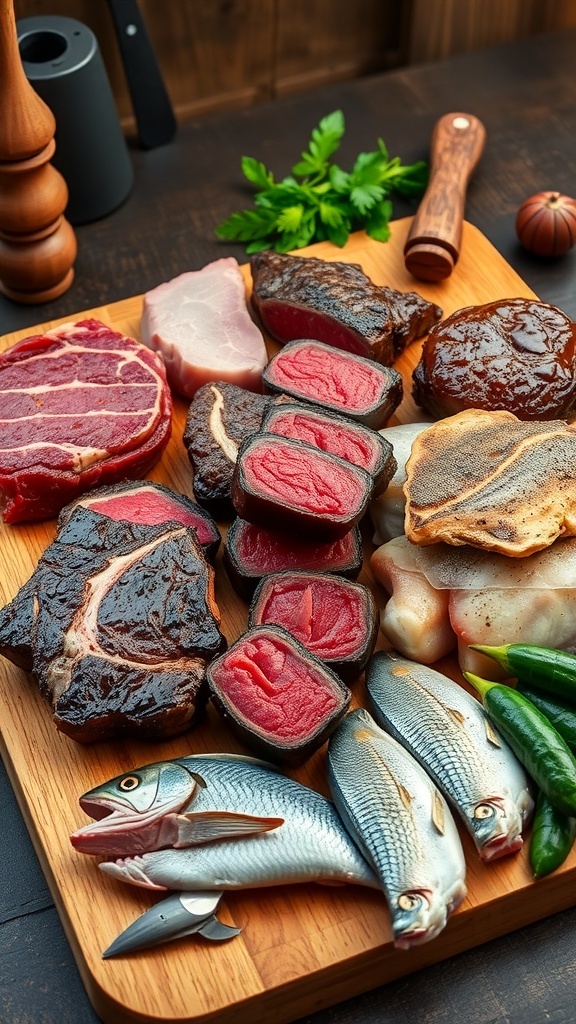
The carnivore diet consists mainly of meat, fish, eggs, and certain animal-derived products, while excluding all plant-based foods. This guide provides insights into how women over 40 can adopt this diet safely and effectively, considering their unique nutritional needs.
Ingredients
- Beef (steaks, ground beef, organ meats)
- Pork (chops, bacon, ribs)
- Poultry (chicken, turkey)
- Fish (salmon, sardines, tuna)
- Eggs (whole eggs, egg yolks)
- Animal fats (butter, ghee, tallow)
- Bone broth
Instructions
- Start Gradually: Transition into the carnivore diet by slowly reducing carbohydrates and increasing your intake of animal products.
- Focus on Variety: Include a range of meats and animal products to ensure a broad spectrum of nutrients.
- Stay Hydrated: Drink plenty of water and consider electrolyte supplementation, especially during the initial adaptation phase.
- Monitor Your Health: Keep track of how your body responds to the diet, and consult with a healthcare professional if necessary.
Cook and Prep Times
- Prep Time: Varies based on meal preparation
- Cook Time: Varies based on cooking methods
- Total Time: Ongoing dietary commitment
- Servings: Individualized based on personal needs
- Calories: Varies based on food choices
- Fat: High
- Protein: High
- Carbohydrates: 0g
Related
- Carnivore Diet Guide for Women Over 40
- Carnivore Diet Guide for Women Over 50
- Carnivore Diet Guide for Women Over 60
- Carnivore Diet Results for Women Over 60