The Carnivore Diet and the Keto Diet are two popular dietary approaches that focus on low carbohydrate intake but differ significantly in their food choices and overall philosophy. Understanding the key differences and similarities can help individuals make informed decisions about which diet may be more suitable for their health goals.
Both diets emphasize the reduction of carbohydrates, but the Carnivore Diet is strictly animal-based, while the Keto Diet allows for a broader range of foods, including certain vegetables and nuts. This article will explore the principles, benefits, and potential drawbacks of each diet.
Understanding the Carnivore and Keto Diets
The Carnivore Diet is a unique approach that focuses solely on animal-based foods. This includes a variety of meats, fish, eggs, and some dairy products. The primary goal is to eliminate all plant-based foods, leading to a high intake of protein and fats.
On the other hand, the Keto Diet promotes a low-carb, high-fat lifestyle. It encourages the consumption of healthy fats, moderate amounts of protein, and a selection of low-carb vegetables. This combination aims to induce ketosis, a metabolic state where the body efficiently burns fat for energy.
Food Choices: A Visual Comparison
When comparing the two diets visually, the differences are striking. The Carnivore Diet showcases a plate filled with steak, eggs, and crispy bacon, emphasizing its meat-centric philosophy.
In contrast, the Keto Diet presents a vibrant array of avocados, nuts, and leafy greens, highlighting its inclusion of healthy fats and vegetables. This visual representation captures the essence of each diet’s food choices, making it easier to understand their fundamental differences.
Health Benefits of Each Diet
Both diets offer unique health benefits. The Carnivore Diet may lead to increased protein intake, which can support muscle growth and repair. Many followers report improved energy levels and mental clarity, attributed to the absence of carbohydrates.
Conversely, the Keto Diet is known for its potential to aid in weight loss and improve metabolic health. The inclusion of healthy fats can promote satiety, helping individuals feel full longer. Additionally, the variety of foods allowed in the Keto Diet can provide essential nutrients that support overall health.
Potential Drawbacks to Consider
While both diets have their advantages, they also come with potential drawbacks. The Carnivore Diet may lack essential vitamins and minerals found in plant-based foods, leading to nutritional deficiencies over time.
On the other hand, the Keto Diet can be challenging for some individuals due to its restrictive nature. Adapting to a low-carb lifestyle may cause initial side effects, often referred to as the “keto flu,” which can include fatigue and irritability.
Who Should Consider Each Diet?
Individuals looking for a straightforward approach to eating may find the Carnivore Diet appealing. It requires minimal meal planning and focuses solely on animal products, making it easier for some to follow.
In contrast, those who enjoy a variety of flavors and textures might prefer the Keto Diet. Its flexibility allows for a broader range of foods, making it more sustainable for long-term adherence.
Conclusion: Making an Informed Choice
Ultimately, the choice between the Carnivore Diet and the Keto Diet depends on personal preferences and health goals.
Understanding the differences in food choices, health benefits, and potential drawbacks can help individuals make informed decisions about which dietary approach aligns best with their lifestyle and objectives.
Understanding the Carnivore and Keto Diets
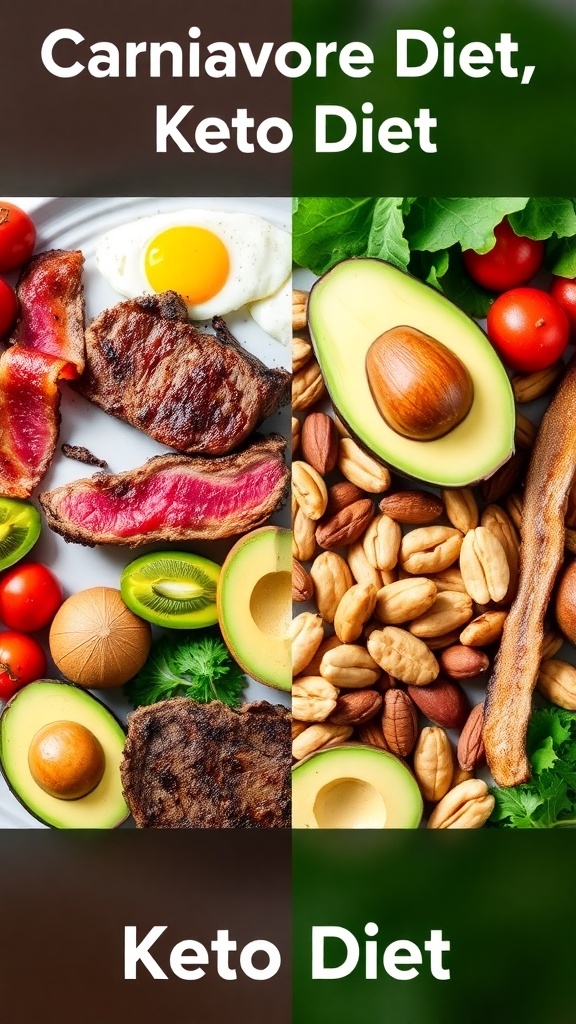
The Carnivore Diet consists exclusively of animal products, including meat, fish, eggs, and limited dairy. It aims to eliminate all plant-based foods, focusing on high protein and fat intake. In contrast, the Keto Diet is a low-carb, high-fat diet that encourages the consumption of healthy fats, moderate protein, and low-carb vegetables to achieve a state of ketosis, where the body burns fat for fuel.