Positive pressure in computer cases has become increasingly popular in recent years, and for good reason. This configuration refers to a situation where the air pressure inside the case is higher than the pressure outside it. Positive pressure has numerous benefits, such as reducing dust accumulation and improving overall cooling performance. In this article, we will delve deeper into positive pressure in computer cases, including its advantages, how to achieve it, and potential drawbacks.
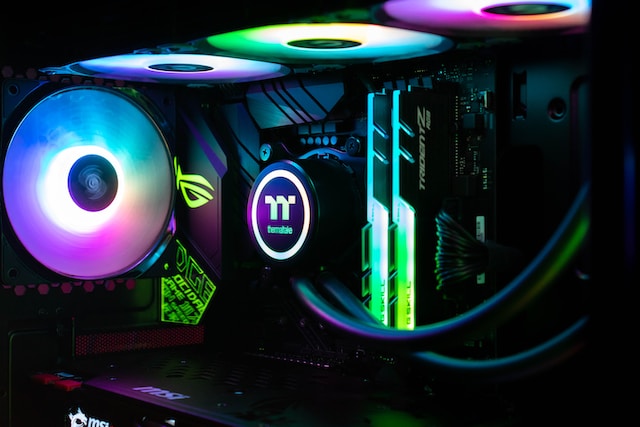
One of the primary benefits of positive pressure is reduced dust accumulation. With positive pressure, the air is forced out of any gaps or vents in the case, and as a result, dust and other particles are also forced out, preventing them from settling inside the case and clogging up components such as fans and heatsinks. This not only reduces maintenance requirements but also prolongs the lifespan of components.
Another advantage of positive pressure is improved cooling performance. When the case has positive pressure, fresh air is drawn in to replace the air that is being forced out of the case. This usually occurs through dedicated intake fans or any gaps or vents in the case. Consequently, components inside the case are exposed to a steady stream of fresh air, which helps keep temperatures down and improve overall cooling performance.
Achieving positive pressure involves using more intake fans than exhaust fans. By installing more intake fans than exhaust fans, the amount of air being drawn into the case is greater than the amount being expelled, resulting in positive pressure. Additionally, using dust filters on intake fans is essential to prevent dust and other particles from entering the case through the intake fans. Unused fan mounts can be blocked off with an appropriate material, such as duct tape, to prevent air from being drawn in through these unused mounts, which could disrupt the positive pressure balance in the case.
However, there are potential drawbacks to consider. One of the primary concerns is increased noise levels, as the intake fans must work harder to draw in enough air to maintain the positive pressure balance. This can be mitigated by using high-quality fans that operate at a lower noise level or by using fan controllers to reduce the speed of the intake fans.
Another potential drawback is that positive pressure can create hotspots in the case if not properly managed. The fresh air being drawn into the case is often cooler than the air inside it, which can create a situation in which certain components receive a higher flow of cool air than others. This can result in some components, such as the CPU or GPU, being cooler than others, such as the memory or storage drives. To prevent this, it is important to ensure that the airflow in the case is properly managed, and that components that require more cooling are given priority.
In conclusion, positive pressure is an excellent configuration for computer cases, and it provides several benefits, including reduced dust accumulation and improved cooling performance. Achieving positive pressure involves using more intake fans than exhaust fans, using dust filters on intake fans, and blocking off unused fan mounts. While positive pressure does have some potential drawbacks, such as increased noise levels and hotspots, these can be mitigated with proper planning and management. Ultimately, the benefits of positive pressure outweigh the potential drawbacks, making it an excellent option for computer builders looking to improve the performance and longevity of their components.