The Vietnam War, which took place from 1955 to 1975, was a prolonged and divisive conflict between North Vietnam and South Vietnam, with the support of the United States and other anti-communist allies. The war resulted in the loss of hundreds of thousands of lives, including civilians, soldiers, and combatants, as well as significant damage to the economy and infrastructure of the region.
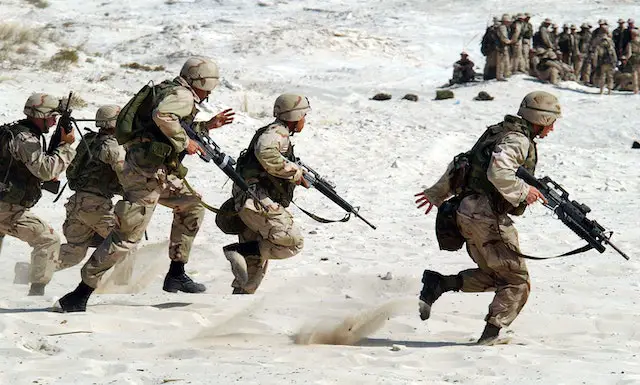
The question of whether the United States could have won the Vietnam War is a complex and contentious issue, and opinions on the matter vary widely. In order to answer this question, it is necessary to examine the factors that contributed to the outcome of the war and consider the various strategies that were employed by the United States and its allies.
One of the key factors that contributed to the United States’ failure to achieve victory in Vietnam was the nature of the conflict itself. The Vietnam War was a guerrilla war, in which the enemy used hit-and-run tactics, ambushes, and other forms of asymmetrical warfare to undermine the American military presence in the region. The North Vietnamese and Viet Cong forces were highly motivated and well-trained, and they had the advantage of fighting on their home turf, which made it difficult for the United States to achieve a decisive victory.
Another factor that contributed to the United States’ failure to win the Vietnam War was the political climate at home. The war was highly controversial, and many Americans were opposed to the conflict. There were frequent protests and demonstrations against the war, and public support for the conflict waned as the years went on. This made it difficult for the United States government to justify its continued involvement in the conflict, and it also put pressure on military commanders to minimize casualties and avoid actions that might further inflame public opinion.
Despite these challenges, there were some strategies that the United States could have employed that may have improved its chances of victory in Vietnam. One approach would have been to focus on winning the hearts and minds of the Vietnamese people, rather than simply trying to defeat the enemy militarily. This could have involved supporting economic development, providing aid to local communities, and promoting democratic institutions and values.
Another strategy that the United States could have employed was to limit the scope of the conflict. By narrowing the focus of the war to specific objectives, such as securing key cities or disrupting enemy supply lines, the United States could have avoided the quagmire that ultimately bogged down its forces. Additionally, the United States could have sought to negotiate a peaceful settlement with the North Vietnamese government, rather than continuing to engage in open warfare.
In conclusion, the question of whether the United States could have won the Vietnam War is a complex and multifaceted issue. While there were certainly factors that made victory difficult to achieve, such as the nature of the conflict and the political climate at home, there were also strategies that could have been employed to improve the United States’ chances of success. Ultimately, the failure to win the war was a combination of both external and internal factors, and it is unlikely that any single strategy or approach could have guaranteed victory.