The story of the McDonald’s brothers and how they lost control of their restaurant chain has been the subject of much debate and controversy over the years. While it is difficult to say definitively whether or not they were “ripped off,” there are certainly arguments to be made on both sides of the issue.
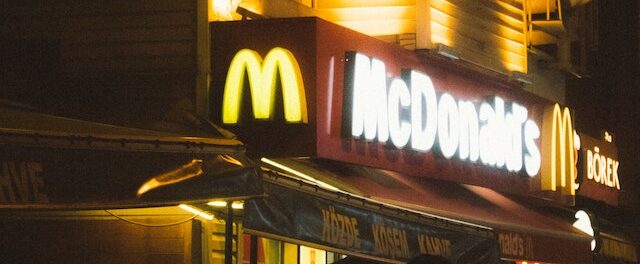
To understand the situation, it is important to first understand the history of McDonald’s. The company was founded in 1940 by Richard and Maurice McDonald, who opened a drive-in restaurant in San Bernardino, California. They developed a highly efficient system for preparing and serving food that allowed them to serve large volumes of customers quickly and at low cost. In 1954, Ray Kroc, a struggling milkshake machine salesman, came across the McDonald’s restaurant and was impressed by its success. He convinced the brothers to let him franchise their concept and eventually bought them out completely, becoming the sole owner of the McDonald’s Corporation.
One argument that is often made in support of the idea that the McDonald’s brothers were ripped off is that Kroc took advantage of their lack of business savvy and negotiating skills. When Kroc first approached the brothers about franchising their concept, he offered to pay them a royalty of 1.9% on all sales. However, he later convinced them to sell him the entire business for just $2.7 million, which many people argue was a lowball offer. Additionally, Kroc allegedly made promises to the brothers about maintaining the quality and integrity of the McDonald’s brand that he later failed to keep.
On the other hand, there are also arguments to be made that the McDonald’s brothers were not necessarily ripped off, but simply made a strategic business decision that ultimately did not pay off as well as they had hoped. For one thing, it is worth noting that the brothers did not invent the fast food concept themselves. They were inspired by other restaurants and spent years refining their system before it became successful. Additionally, while Kroc did end up making a fortune off of the McDonald’s brand, it is not necessarily the case that the brothers would have been able to achieve the same level of success on their own. Franchising can be a difficult and expensive business, and it is possible that the brothers simply did not have the resources or expertise to make it work on a large scale.
Another important factor to consider is the role that timing played in the situation. The McDonald’s brothers sold their business to Kroc in 1961, at a time when franchising was still a relatively new and untested business model. It is possible that they simply did not realize the potential that their concept had, or that they did not have the vision to take it to the next level. Hindsight is always 20/20, and it is easy to look back now and criticize their decision, but at the time it may have seemed like the best option available.
Ultimately, whether or not the McDonald’s brothers were ripped off is a matter of perspective. It is clear that Kroc was able to capitalize on their concept and turn it into a global empire, but it is also possible that the brothers would not have been able to achieve the same level of success on their own. What is certain is that the story of McDonald’s is a reminder of the importance of business acumen and strategic decision-making, and of the fact that the path to success is often fraught with risk and uncertainty.